
Lithuania plans to build 10 power plants — Baltic News Network
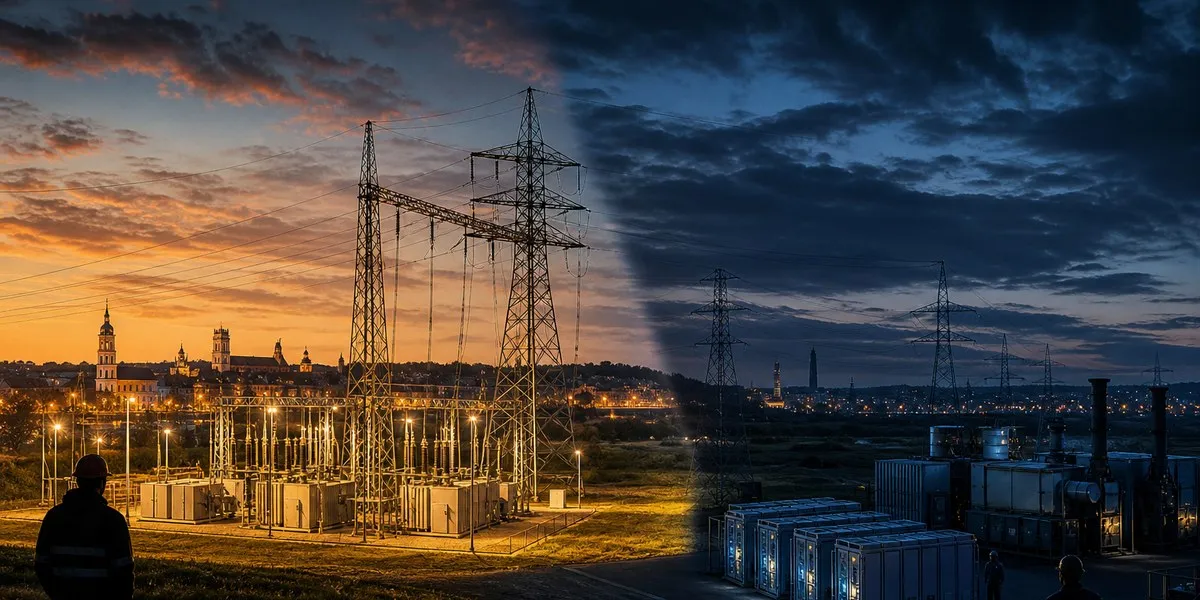
Lithuania plans to build ten new power plants by 2033 and create seven “energy islands” capable of operating separately from the main grid in emergencies. The project is intended to strengthen the power system’s resilience to the consequences of natural disasters, sabotage and other threats, Baltic News Network reports.
According to Andrius Šemeškevičius, CEO of Lithuania’s electricity transmission system operator Litgrid, the need for such a model is linked to more frequent extreme weather events that cause power outages, as well as geopolitical threats. The autonomous grid segments are expected to provide consumers with electricity even if the 330 kV transmission grid becomes unavailable.
Seven autonomous zones
The “energy islands” are planned in the Vilnius, Kaunas, Klaipėda–Mažeikiai, Panevėžys–Šiauliai, Alytus, Jurbarkas and Utena regions. In isolated mode, electricity will first be supplied to emergency services and hospitals, then to households, while businesses will have the lowest priority.
More current news is available on the UA.News Telegram channel Telegram.
Litgrid estimates that under the worst-case scenario, households would receive electricity for at least eight hours a day. With a sufficient amount of solar and wind generation, the autonomous zones will be able to operate around the clock.
Capacity and timeline
The total capacity of the ten planned power plants will be 800 MW, with each facility having a capacity of between 50 and 100 MW. The units must be capable of starting within 30 minutes. Gas generation is described as the most likely option, but tenders are to be technology-neutral: participants will also be able to offer solutions using hydrogen, biomethane or liquid fuel.
Litgrid plans to procure services for operation in isolated mode, while the power plants themselves will be built by private investors. Private investment is estimated at approximately €880 million. Subject to the adoption of the necessary legislative and regulatory changes, the first tender could take place in 2027. Lithuania expects to launch the first four autonomous zones—in Vilnius, Kaunas, Panevėžys–Šiauliai and Klaipėda—by 2028.




