
Isiaka, a lawmaker, opposes restoring fuel subsidies in Nigeria
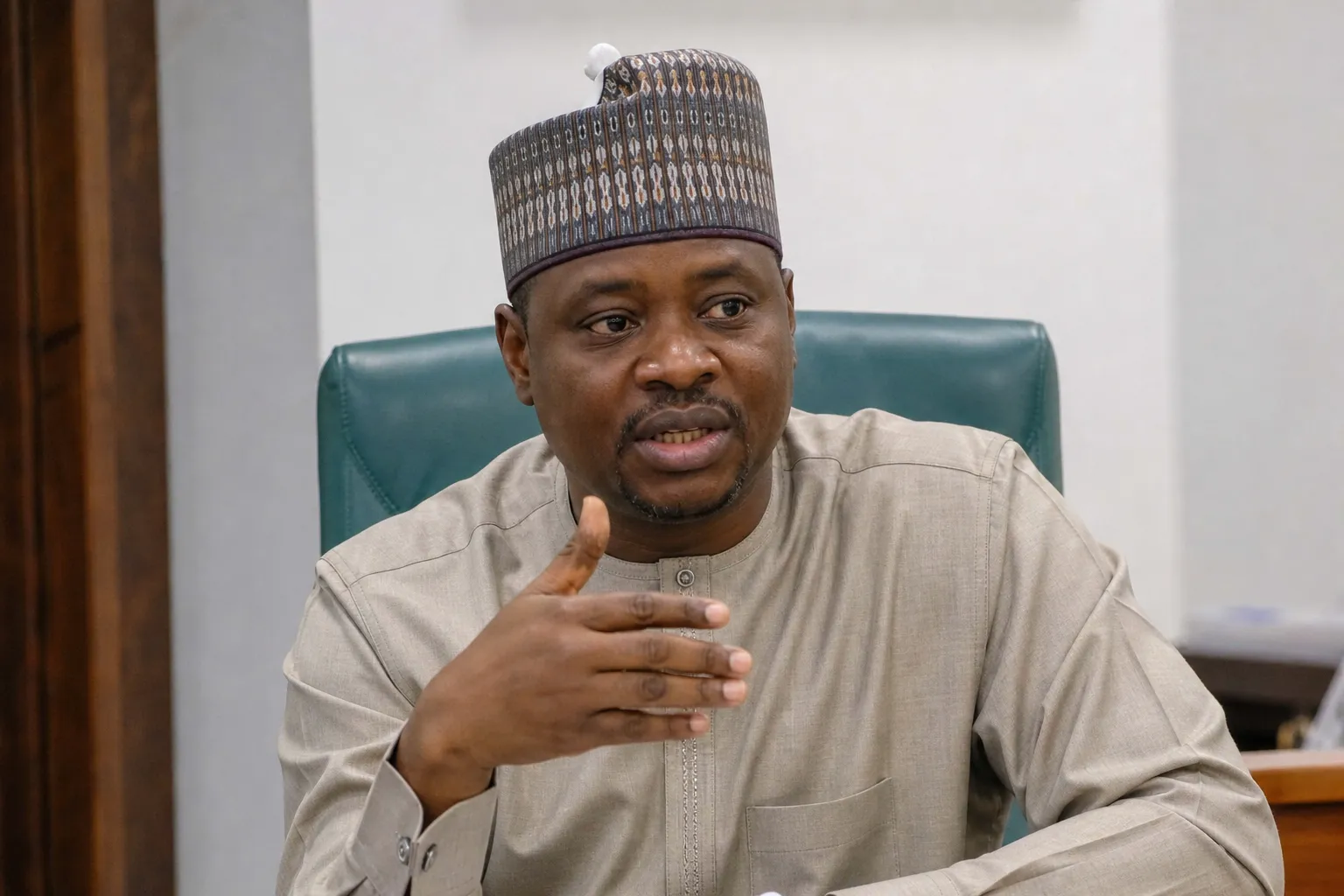
Member of Nigeria’s House of Representatives Gboyega Nasir Isiaka spoke out against restoring petrol subsidies. In a column for Premium Times Nigeria, he said that such a move would, in his view, once again create a budget burden, strengthen incentives for smuggling and arbitrage, and weaken interest in efficient domestic oil refining.
The discussion about the rule of 70
Isiaka responded to the position of economist Bongo Adi, who, according to him, proposed restoring subsidies by referring to the rule of 70. This mathematical rule makes it possible to estimate the time needed for a certain value to double at a constant growth rate. The author gave an example: with annual economic growth of 4%, its size would double in 17.5 years.
In the lawmaker’s view, using this formula as a forecast for Nigeria’s development is overly simplistic, since it assumes stable growth rates. He noted that economic outcomes depend on dynamic factors and that reforms must change the conditions that constrain growth.
Arguments against subsidies
As Isiaka writes, fuel price regulation in Nigeria took shape from the 1970s and was intended to curb inflation, support industry, and ensure energy affordability. At the same time, after domestic refining capacity weakened and dependence on imports of petroleum products increased, the costs of such a policy became increasingly difficult to reconcile with limited public resources and development needs.
More current news is available on the UA.News Telegram channel Telegram.
The author argues that selling petrol below the cost of supply created a price gap that encouraged smuggling and arbitrage. In his assessment, removing subsidies together with foreign exchange market reforms expanded the state’s fiscal space and reduced currency distortions associated with fuel imports and smuggling.
Social support measures
Isiaka acknowledged that removing subsidies had an immediate social cost for the population. He listed programmes which, according to him, are intended to mitigate the consequences: interest-free student financing through NELFUND, consumer lending through CREDICORP, cash payments for poor and vulnerable households, support for small businesses, and vocational training with scholarships and start-up assistance.
The lawmaker also mentioned investments in compressed natural gas buses and vehicle conversions. Referring to the experience of Indonesia, Iran, the Philippines, and Ghana, he stressed that the durability of reforms depends on social protection, transparency, clear communication, and proper governance.


