
Daily tanker charter rates in the Persian Gulf exceed $1 million — OilPrice
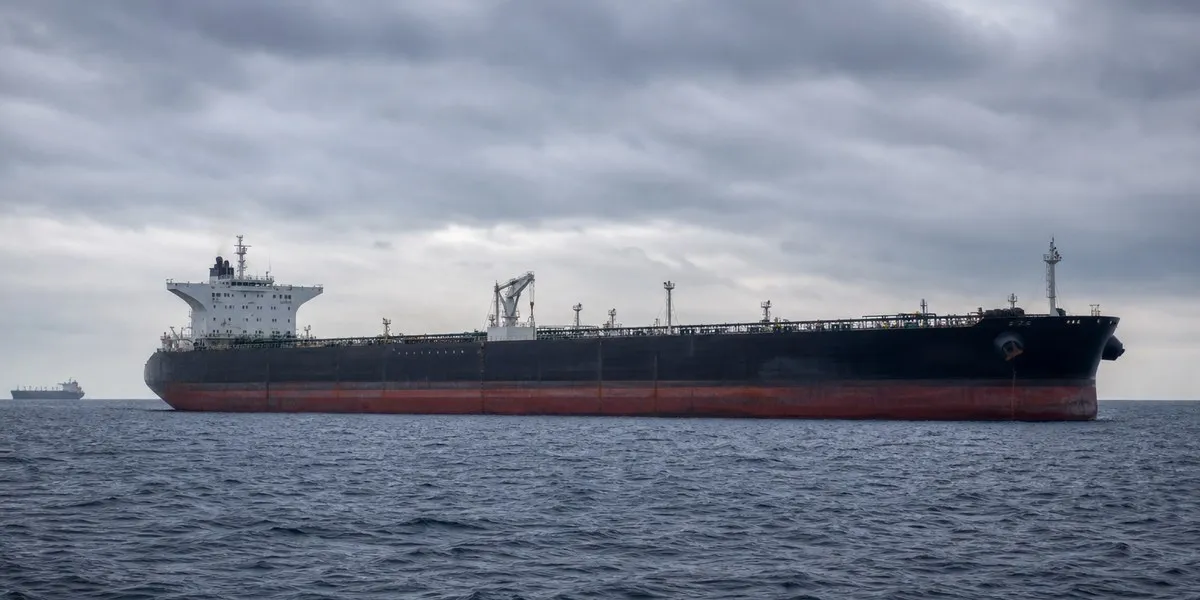
The daily charter rate for tankers picking up oil in the Persian Gulf exceeded $1 million for the first time amid a shortage of vessels whose owners are willing to transit the Strait of Hormuz. According to OilPrice, rising transportation, insurance and vessel rates are increasing the cost of physical deliveries of oil and petroleum products.
Record shipping rates
Bloomberg, citing Baltic Exchange data, reported that the rate for tankers set to pick up oil within the Persian Gulf reached $1.035 million per day. For a tanker transporting oil from the Gulf of Oman to China, the daily rate stood at $644,000.
Shipping costs are also rising at Russia's port of Novorossiysk due to the risk of drone attacks on vessels and port infrastructure. In the week through September 6, rates for transporting oil on Aframax tankers from Novorossiysk to western India and northern China rose for the seventh consecutive week, by 2.7% and 3.1%, respectively, according to local price indices.
Used vessels are becoming more expensive
Due to high charter and insurance rates, energy market participants are considering purchasing their own tankers. Argus analyst Erika Tsiriku told the Spanish publication El País that prices for used oil tankers have risen following the closure of the Strait of Hormuz, with some costing more than new vessels because of lengthy shipbuilding timelines.
More current news is available on the UA.News Telegram channel Telegram.
According to the cited data, a used very large crude carrier is now valued at approximately $182 million, while a new vessel of this class costs $130 million. Used Suezmax tankers are selling for approximately $130 million compared with $89 million for new ones, while Aframax tankers cost $95 million compared with $75 million.
Risks for maritime routes
The International Energy Agency estimated the reduction in global observed oil inventories in August at 95 million barrels. Since February, the total decline has reached 507 million barrels, or about 2.8 million barrels per day, according to its data. The volume of oil in maritime transit fell by 65 million barrels amid attacks on vessels in the Strait of Hormuz.
Separately, U.S. federal authorities are investigating a possible cyberattack on tankers traveling from Europe to the United States. The Wall Street Journal reported that at least two vessels—one carrying oil and the other liquefied gas—may have experienced cyber interference near Gibraltar; the publication obtained the information from unnamed officials. After arriving at the U.S. Gulf Coast, the vessels were inspected in August.


