
Extreme weather altered solar irradiance — The Japan Times
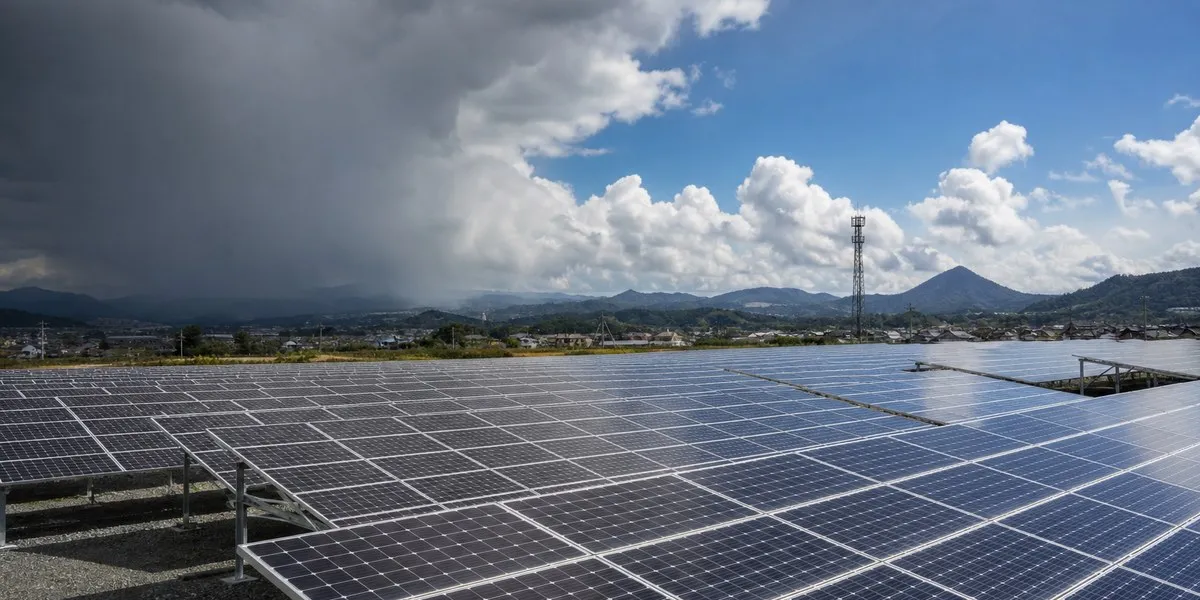
Extreme heat and precipitation in the summer of 2026 significantly changed solar irradiance levels in major solar energy markets. Western Europe and parts of Southeast Asia received substantially more sunlight than the historical norm, while eastern India and certain areas of the U.S. Midwest recorded a deficit, The Japan Times reports, citing data from Solargis.
Contrasting indicators across regions
According to the Slovak provider of solar energy data and software Solargis, southern England and western France received more than 20% more solar irradiance than usual from June through August. Western Europe experienced one of its warmest and driest summers on record.
In Malaysia, Indonesia and the southern Philippines, sunlight levels were 30% higher than historical figures. At the same time, solar irradiance in southern Brazil, northern Argentina and Uruguay was more than 20% below the average level. In Northern Europe, the deficit reached 25% due to precipitation exceeding usual levels.
More current news is available on the UA.News Telegram channel Telegram.
Risks for energy systems and grids
In India’s eastern states, which experienced heavy monsoon rains, solar irradiance was up to 20% below normal. At the same time, figures in the country’s western and northern states, where most solar projects are concentrated, matched or exceeded the average level.
Solargis CEO Marcel Suri said that the summer of 2026 demonstrated how much conditions for solar energy generation in major markets can differ from historical averages. According to the company, more frequent extreme weather events complicate forecasting electricity generation by solar panels and wind turbines. This creates difficulties for investors who rely on historical return models, as well as for power grid operators that are increasingly dependent on variable generation from renewable sources.
Solar irradiance levels are affected, among other things, by cloud cover, monsoon rains, smog and wildfires. Solargis believes that wider fluctuations do not call investments in renewable energy into question, but they increase the need for more detailed weather data to manage risks and balance energy systems.


