
Ghana may lose access to EU gas market over methane emissions — MyJoyOnline
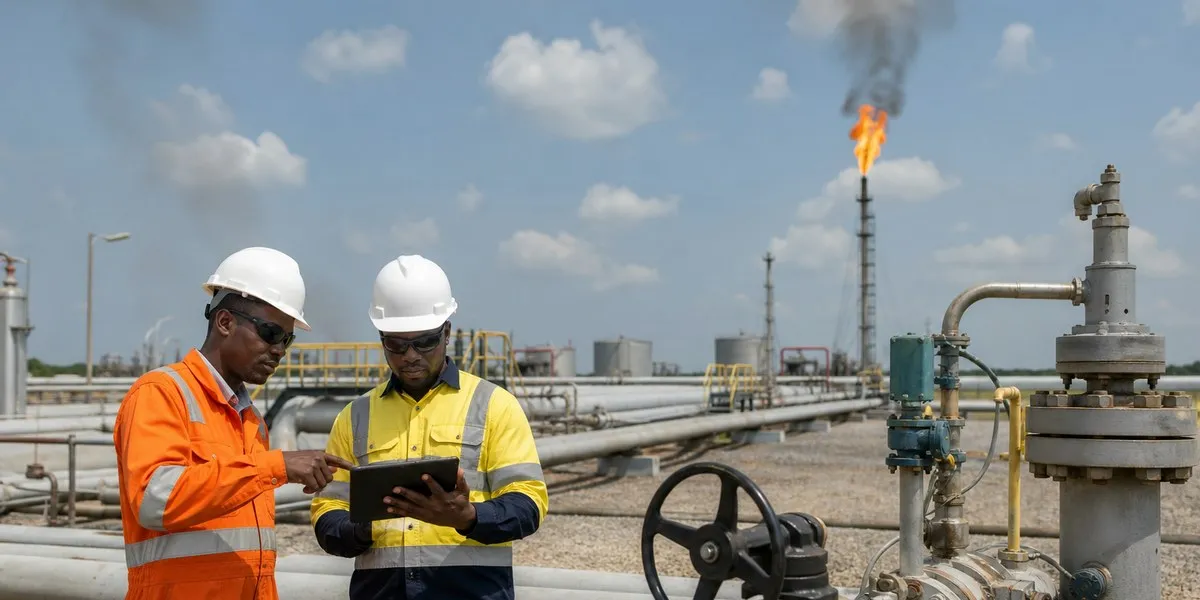
Ghana may lose access to European gas export markets unless it strengthens control over methane emissions and ends routine gas flaring. This was stated by petroleum engineering specialist Kwame Sarkodie at a technical consultative workshop of the Public Interest and Accountability Committee, MyJoyOnline reports.
New European Union requirements
Sarkodie, who represents the Department of Petroleum Engineering at Kwame Nkrumah University of Science and Technology, noted that international methane rules, especially in the EU, are becoming stricter. According to him, insufficient monitoring and emissions reductions could weaken Ghana’s competitive position and increase the cost of attracting capital from international investors.
The EU methane regulation provides for enhanced monitoring, reporting and verification of emissions related to imported oil, natural gas and coal. The European Commission has stated that from January 2027, importers will have to confirm that imported oil and gas are supplied from jurisdictions where monitoring, reporting and verification requirements are equivalent to EU standards or specified international standards. From August 2028, they must report methane emissions intensity, while from August 2030, relevant limits will apply to specified contracts.
More current news is available on the UA.News Telegram channel Telegram.
Losses from gas flaring
According to data cited by the expert, approximately 28.5 million units of gas were flared in Ghana in one year — about 10.4% of all raw gas produced. Sarkodie estimated the value of the lost energy at approximately $170 million. According to him, this resource could have been directed to industrial needs or used to reduce the burden on the energy sector.
Ghana’s Petroleum Commission has set a goal of eliminating routine gas flaring at oil fields by 2026. Sarkodie called for strengthening emissions measurement systems and ensuring that operators comply with requirements to prevent methane leaks and routine gas flaring.




