
JPMorgan abandons base-case scenario for oil market — Premium Times Nigeria
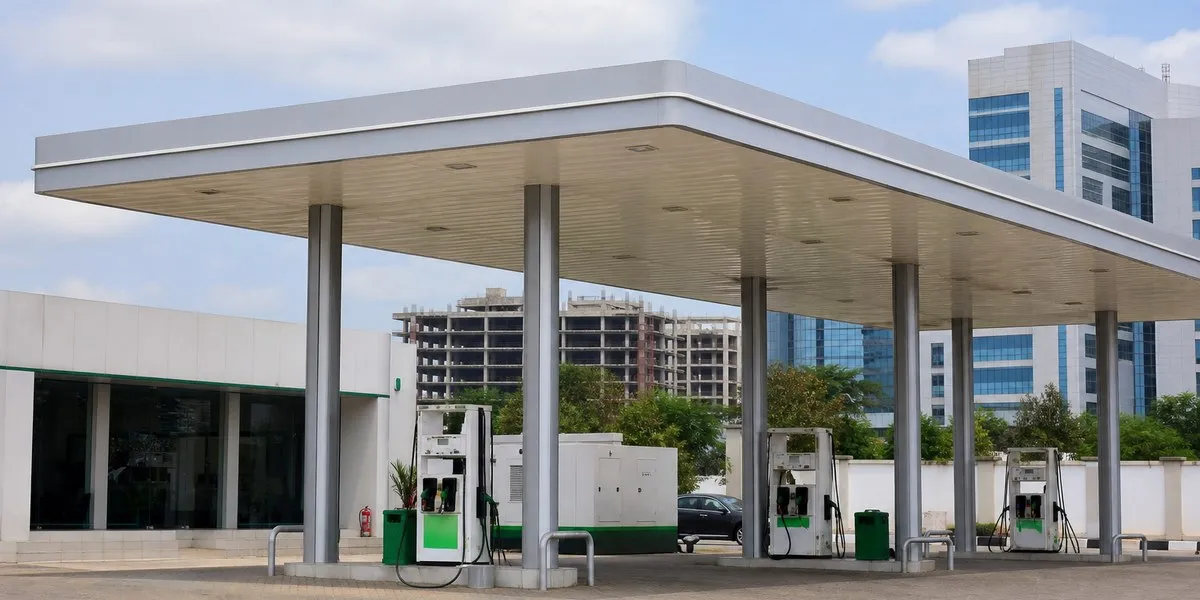
In Nigeria, particularly in Abuja, petrol prices at filling stations have risen to 1,400–1,450 naira per litre amid higher oil prices and uncertainty in the global energy market. Investment bank JPMorgan said it no longer has a clear base-case scenario for the global oil market because of the protracted conflict between the United States and Israel and Iran, which is disrupting energy supplies.
As Premium Times Nigeria reports, JPMorgan analysts said in a note cited by Reuters that they cannot model the conflict's final outcome. This is the first time since the start of the conflict that the bank has abandoned a base-case scenario for the oil market.
Rising fuel prices in Abuja
The increase in retail prices came after Dangote Petroleum Refinery raised the petrol price by 85 naira, from 1,265 to 1,350 naira per litre. According to the publication, a month earlier fuel at filling stations in Nigeria's capital was sold in the range of 1,200–1,300 naira per litre.
Despite its status as a major crude oil producer, Nigeria depends on international market fluctuations. The cost of oil affects the price of feedstock for refining, petroleum products, freight and other costs in supply chains. The increase in the wholesale price at the Dangote refinery affected retail prices at filling stations.
More current news is available on the UA.News Telegram channel Telegram.
According to Reuters, Brent, the benchmark for Nigerian oil, closed Friday at $104.87 per barrel. Prolonged shipping restrictions through the Strait of Hormuz create additional risks for supplies of oil and petroleum products.
JPMorgan's assessment
JPMorgan estimated the fair price of Brent in September at around $90 per barrel, while market quotations were close to $106. In the bank's view, this indicates that investors are factoring in the risk of further supply losses.
The bank estimated already disrupted supplies at about 10 million barrels per day. At the same time, global oil demand was about 4.4 million barrels per day lower than a year earlier, which partially offset the losses. According to JPMorgan, since the beginning of the conflict, the average Brent price has been around $94 per barrel, while global inventories of crude oil and petroleum products have declined by about 555 million barrels.
JPMorgan also drew attention to risks for the Bab el-Mandeb Strait, Saudi export infrastructure and Russian oil refining infrastructure.


