
Cyprus sees no noticeable decline in electricity prices — Cyprus Mail
Cyprus’ competitive electricity market completes its first year of operation on October 1, but no noticeable price reduction for consumers has yet been observed. As Cyprus Mail reports, trading technically operates through mechanisms close to the EU target model: day-ahead, intraday, forward and balancing markets.
The author of the article notes that electricity prices on the island remain among the highest in Europe, while the low cost of solar generation is insufficiently reflected in consumers’ bills. In his view, the market has few participants, and some producers, aggregators and suppliers are commercially connected to one another. The author believes this may weaken price competition, while not describing such ties as an illegal cartel conspiracy.
Expensive conventional generation
Cyprus still generates most of its electricity from fuel oil and diesel fuel. Under the marginal pricing system, the wholesale price is influenced by the most expensive producer needed to meet demand. Therefore, the author writes, solar energy producers can offer electricity at a price higher than its production cost but lower than conventional generation.
The article also points to insufficient transparency of bilateral contracts: transaction prices, aggregator remuneration, transactions between related companies and supplier margins are not published. Because of this, in the author’s assessment, it is impossible to determine how the benefit from cheap solar generation is distributed among producers, intermediaries, suppliers and customers.
More current news is available on the UA.News Telegram channel Telegram.
Solar generation and curtailment
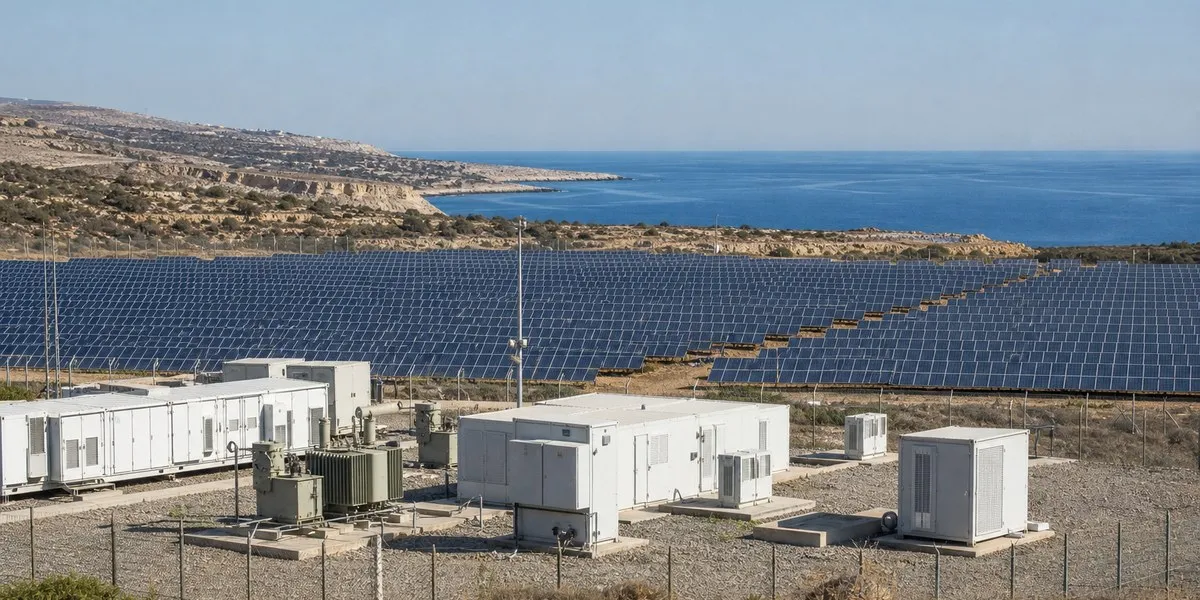
According to Energy Service data for April 2026, Cyprus had more than 1,055 MW of photovoltaic capacity. Of this, about 471.5 MW operated under the net metering scheme, 158.3 MW under net billing, approximately 76 MW received a feed-in tariff, and around 326 MW were intended for the competitive market.
Nearly 60% of installed solar capacity is used mainly for self-consumption and does not directly participate in wholesale price formation. In addition, curtailment of renewable energy generation exceeded 47% in 2025. The author notes that surplus solar generation cannot always be used during daytime hours, while in the evening the system quickly returns to expensive conventional generation.
Among possible steps, the author names an independent audit of bilateral contracts, participant margins, generation curtailment volumes and balancing costs. As alternatives, he mentions competitive auctions for renewable energy, bilateral contracts for difference and an independent state purchasing agency.




