
US discusses risks of shifting AI energy costs onto consumers — OilPrice
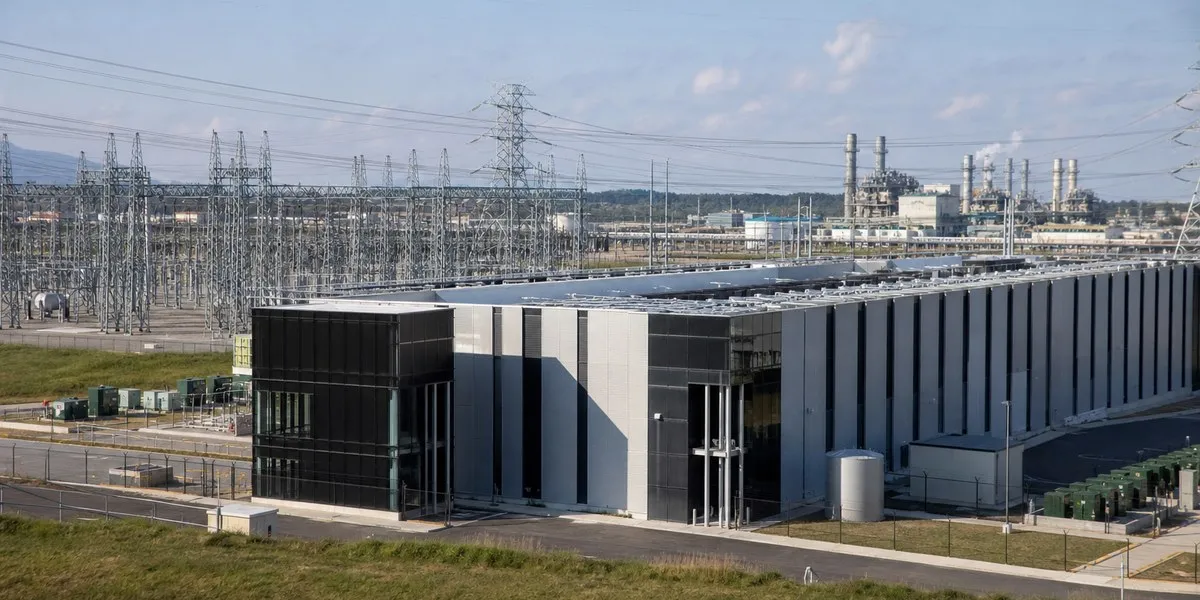
In the United States, the development of energy infrastructure for artificial intelligence centers could increase financial risks for ordinary electricity consumers if regulated utilities include new expensive generating capacity in their rate base. This is stated in an analytical article by OilPrice.
Authors Leonard Hyman and William Tilles note that utilities are interested in serving rapidly growing demand from AI centers. However, building power plants specifically for such facilities through the rate base would mean that all customers would pay their cost. If the expected demand for capacity does not materialize or declines significantly, the costs of new generation may still remain with other consumers.
Separate generating companies
As one possible solution, the authors name the creation of a separate generating company — GENCO — affiliated with an energy holding company but with its own debt financing. Such a structure would theoretically separate the financial problems of AI projects from the regulated electricity supplier and its customers.
At the same time, in the authors’ view, the effectiveness of such separation depends on contract terms. In particular, a risk arises if the utility takes on a long-term commitment to purchase electricity from an affiliated GENCO while the actual operating period of the AI project proves shorter. In that case, the utility and its consumers may be left with unused obligations.
More current news is available on the UA.News Telegram channel Telegram.
Financial and grid risks
Hyman and Tilles also draw attention to the fact that a GENCO may use a contract with a regulated utility to secure cheaper financing, effectively benefiting from its credit rating. Financial problems at the subsidiary generating company, in their assessment, may also affect the holding company that controls it and the regulated utility.
The authors also point to risks of preferential treatment for affiliated AI projects, particularly during the restoration of electricity supply after severe weather. They identify as separate challenges the enormous volumes of electricity required by AI companies, the readiness of grids for such a load, and the environmental consequences of constructing new gas-fired generation facilities.
In the authors’ view, a better way to protect customers of regulated utilities would be to require AI centers to independently build and operate their own autonomous energy capacity. This does not eliminate competition for energy resources and water but, they believe, does not shift investment risks onto electricity consumers.


