
US pharmacist Jocelyn Freimuth proposes a patient support model
In the United States, pharmacist and consultant Jocelyn Freimuth presented the care connector model, under which specialty pharmacy professionals support a patient from the prescription of a medication through to the evaluation of treatment outcomes. Cyprus Mail reports on this approach.
Specialty medicines are expensive drugs that require special storage, monitoring or training on how to administer them. According to the data cited in the article, they account for at least half of pharmaceutical spending in the United States, although fewer than 5% of patients receive such treatment. About 75% of the 7,000 drugs under development are also specialty medicines.
Seven stages of treatment
Freimuth describes seven stages of a patient's journey: prescription, approval, dispensing, starting therapy, monitoring, continuing treatment and evaluating outcomes. Barriers may arise at each of them, including delays in insurance coverage, difficulties storing the drug, side effects, missed follow-up visits or interruptions in receiving subsequent doses.
According to an IQVIA Institute study cited by the publication, nearly two-thirds of prescriptions for new medicines remain unfilled during the first year after they enter the market. Patients in the United States also spent a record $110 billion of their own money on medicines in 2025.
More current news is available on the UA.News Telegram channel Telegram.
The pharmacist's role
The care connector model provides for four areas of work: identifying clinical and social barriers; coordinating with doctors, nurses, treatment access teams and insurers; supporting the patient during long-term use of the medication; and measuring access, safety, adherence to therapy and treatment outcomes.
Freimuth pays particular attention to preparation for the first dose. In her view, the patient should understand why therapy is needed, how to use the medication, what to expect, which symptoms to watch for and whom to contact in case of changes. For interprofessional collaboration, she considers shared goals, clearly defined roles, open communication, timely follow-up and measurable outcomes necessary.
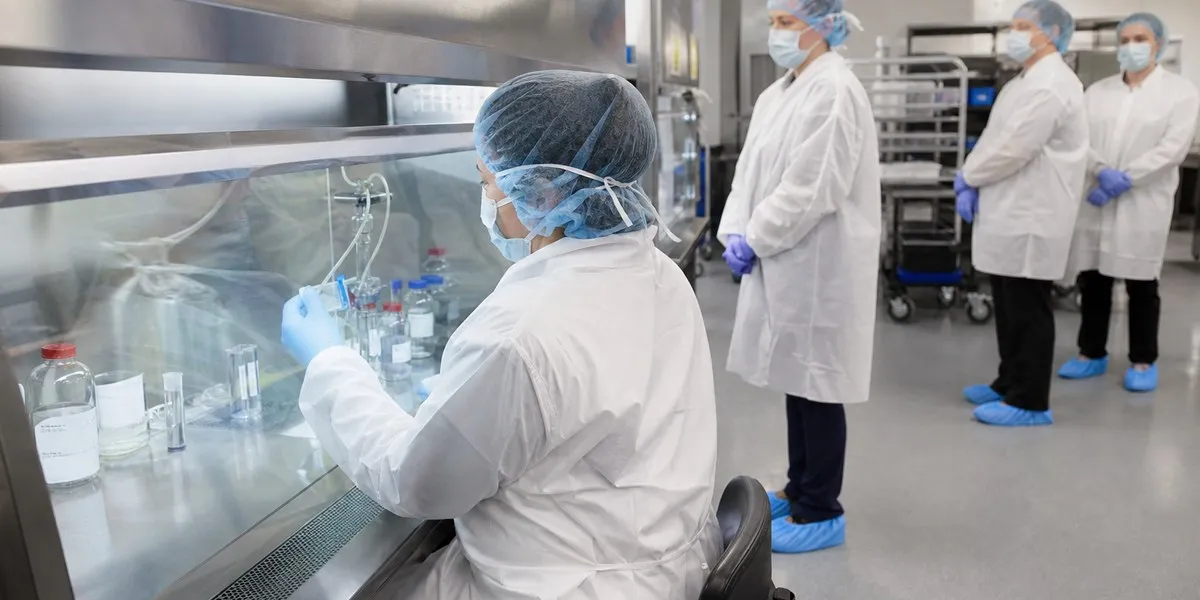
Freimuth teaches at the University of Tennessee Health Science Center College of Pharmacy and heads the consulting company Camino Compass. In June, in Nashville, she conducted training for 64 qualified evaluators who certify competence in sterile drug compounding; the training took place at four cleanroom workstations.


