
IMF forecasts Morocco’s GDP growth at 4.5% in 2026 — The Rio Times
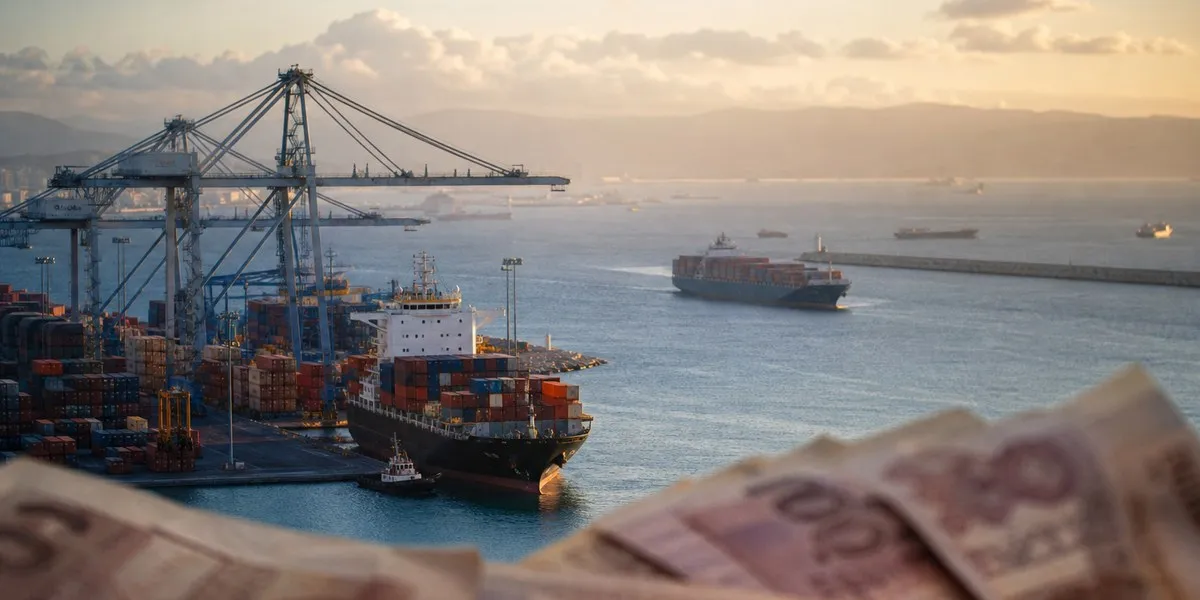
The International Monetary Fund forecasts Morocco’s economy to grow by 4.5% in 2026, following 4.9% in 2025. At the same time, the country’s current account deficit, according to the fund’s estimate, will increase from 2.4% of GDP last year to 4.9% of GDP this year, or approximately $9.6 billion. This was reported by The Rio Times, citing the IMF’s October World Economic Outlook.
IMF forecasts
In 2027, the IMF expects a further slowdown in Morocco’s GDP growth rate, to 4.2%. Both figures exceed the fund’s projected global economic growth rates of 3.1% in 2026 and 3.4% in 2027.
Inflation in Morocco, according to the IMF forecast, will stand at 0.9% in 2026 and 1.4% in 2027. The unemployment rate is expected to decline from 13% in 2025 to 12.2% this year and to 11.3% in 2027.
The country’s gross government debt, according to the fund’s estimate, will remain at 66.6% of GDP in 2026 and decrease slightly to 66.2% of GDP in 2027.
More current news is available on the UA.News Telegram channel Telegram.
Energy and import costs
Morocco’s central bank, Bank Al-Maghrib, links the widening external deficit to rising oil prices and imported resources. The regulator expects the country’s energy import costs to rise by 28.4% in 2026, to 138.1 billion dirhams, or about $14 billion.
Equipment imports, according to the central bank’s forecast, will increase by 15.6% due to the implementation of major investment projects. Bank Al-Maghrib estimates the current account deficit at 4.6% of GDP, which is close to the IMF forecast.
Reserves and forecasts for 2027
Rising import costs are expected to be partly offset by exports of phosphates and fertilizers, tourism revenues, and remittances from Moroccans abroad. The central bank expects official foreign exchange reserves to increase to 502.8 billion dirhams, or approximately $51 billion, by the end of 2026.
By the end of 2027, Bank Al-Maghrib forecasts reserves at 515.3 billion dirhams. According to the bank’s estimate, this amount will be sufficient for approximately five and a half months of imports of goods and services. The IMF and the central bank expect the current account deficit to narrow in 2027.




