
The ruble in Russia has fallen to its lowest level in more than three months
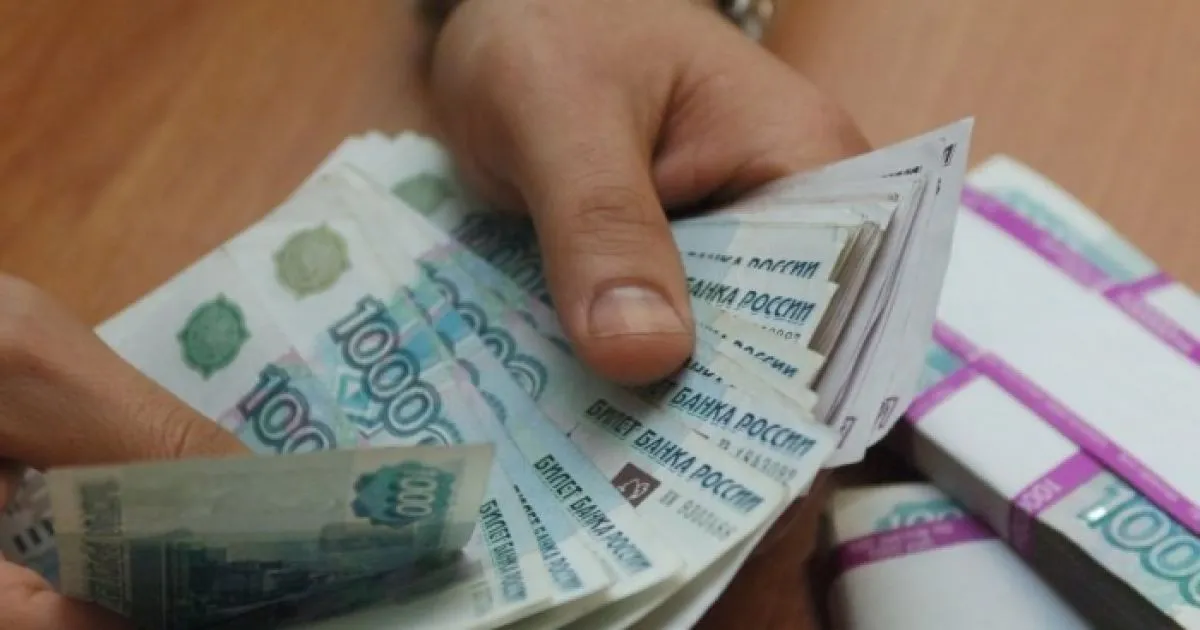
The Russian ruble began August with yet another decline. On August 7, the dollar exchange rate on the over-the-counter market exceeded 83 rubles for the first time since late March, reaching 83.01 rubles.
The euro also rose to over 95.6 rubles, hitting a three-month high. Meanwhile, the Chinese yuan exceeded 12 rubles on the Moscow Exchange, gaining nearly 4% since the start of the week.
Analysts attribute the weakening of the Russian currency to several factors. In particular, the market is reacting to the progress in the U.S. Senate of a bill proposing new, tough sanctions against Russia.
An additional factor may be the conversion of rubles into foreign currency following a significant outflow of funds from banks. According to analysts, since the beginning of the year, the public has withdrawn more than 2 trillion rubles from the banking system.
The exchange rate is also under pressure from rising demand for foreign currency due to fuel imports and a decline in foreign exchange earnings from oil exports. In August, proceeds from oil sales in June and July are entering the market, during which time the price of the Russian Urals crude fell to about $40 per barrel.
Additional pressure on the ruble is being created by foreign currency purchases by the Ministry of Finance and the Central Bank of Russia to replenish the National Welfare Fund using oil revenues.
Analysts expect the Russian currency to weaken further. According to Alfa-Bank’s forecast, the dollar could rise to 87 rubles by the end of the year.
August is traditionally considered an unfavorable month for Russia due to a series of crises in its recent history. It was in August 1991 that the coup in the USSR took place; in 1998, Russia declared default; and in 2000, the nuclear submarine Kursk sank. These events have shaped the perception in Russian society of the so-called “August curse.”
As a reminder, in one of the most prestigious districts of the Moscow Region—Rublyovka—long lines have formed at gas stations due to a fuel shortage. Videos of traffic jams near gas stations are being shared by local residents.
The Kremlin has issued guidelines on how to report on the gasoline shortage.
The fuel crisis in Russia is intensifying: gasoline is running out at gas stations and lines are growing.


