
The Central Bank of Russia cut its key interest rate amid pressure from military spending
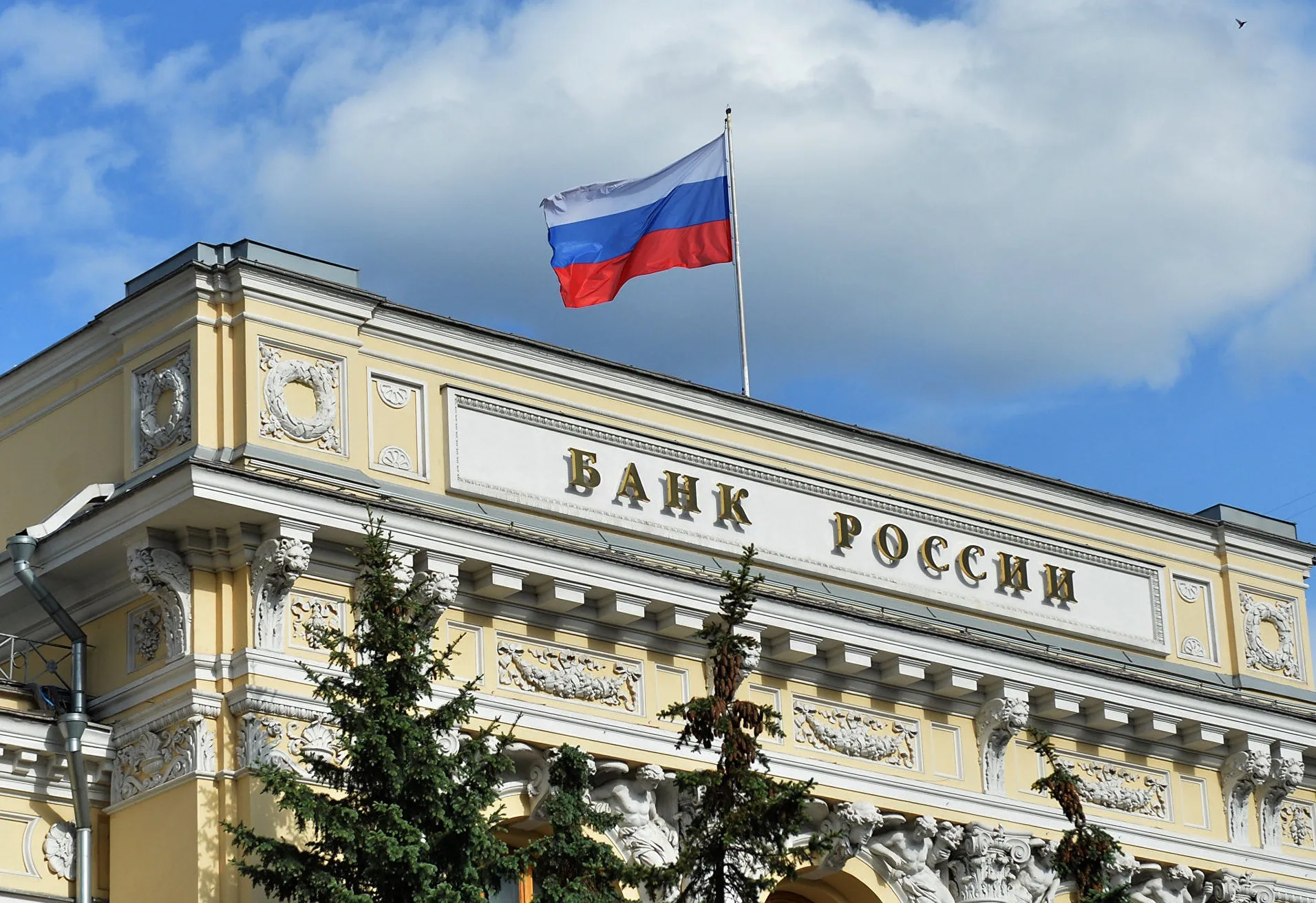
On June 19, the Bank of Russia decided to lower its key interest rate, but at the same time acknowledged that its ability to influence the economic consequences of the Kremlin’s massive military spending is limited. According to the regulator’s assessment, budgetary pressures and the priority given to defense spending continue to shape the country’s financial situation.
This marks the ninth consecutive easing of Russia’s monetary policy. The central bank justified its move by noting that economic indicators in the second quarter improved as expected following a decline at the start of the year, while the current rate of price growth has slowed slightly.
According to the bank’s statement, in April–May 2026, seasonally adjusted inflation fell to 2.1% year-over-year (down from 8.7% in the first quarter). However, overall annual inflation in Russia as of June 15 remains high at 5.6%.
- Labor Market: Labor shortages persist, and unemployment remains at historic lows, which is preventing a rapid economic slowdown.
- Lending: In recent months, there has been an acceleration in the pace of lending to both households and businesses.
- Fiscal Policy: Over a three-year horizon, the aggressor country’s budget will be “more expansionary” than previously forecast (due to high military spending), which will force the central bank to keep interest rates at a higher level.
The Russian regulator forecasts that by the end of 2026, annual inflation in Russia will stand at 4.5–5.5%, and will only return to the 4% target in 2027.
At the same time, the Central Bank hinted that the scope for further monetary easing is narrowing. The next meeting of the Central Bank of Russia is scheduled for July 24.
As a reminder, Russia is seeing a trend toward staff reductions in various sectors, including IT, healthcare, logistics, manufacturing, retail, consulting, and other business services.
The Russian Ministry of Finance forecasts a sharp increase in regional budget deficits to $21 billion.


