
Ghanaian designer Miriam Ablah Anani shares her experience of breast cancer treatment
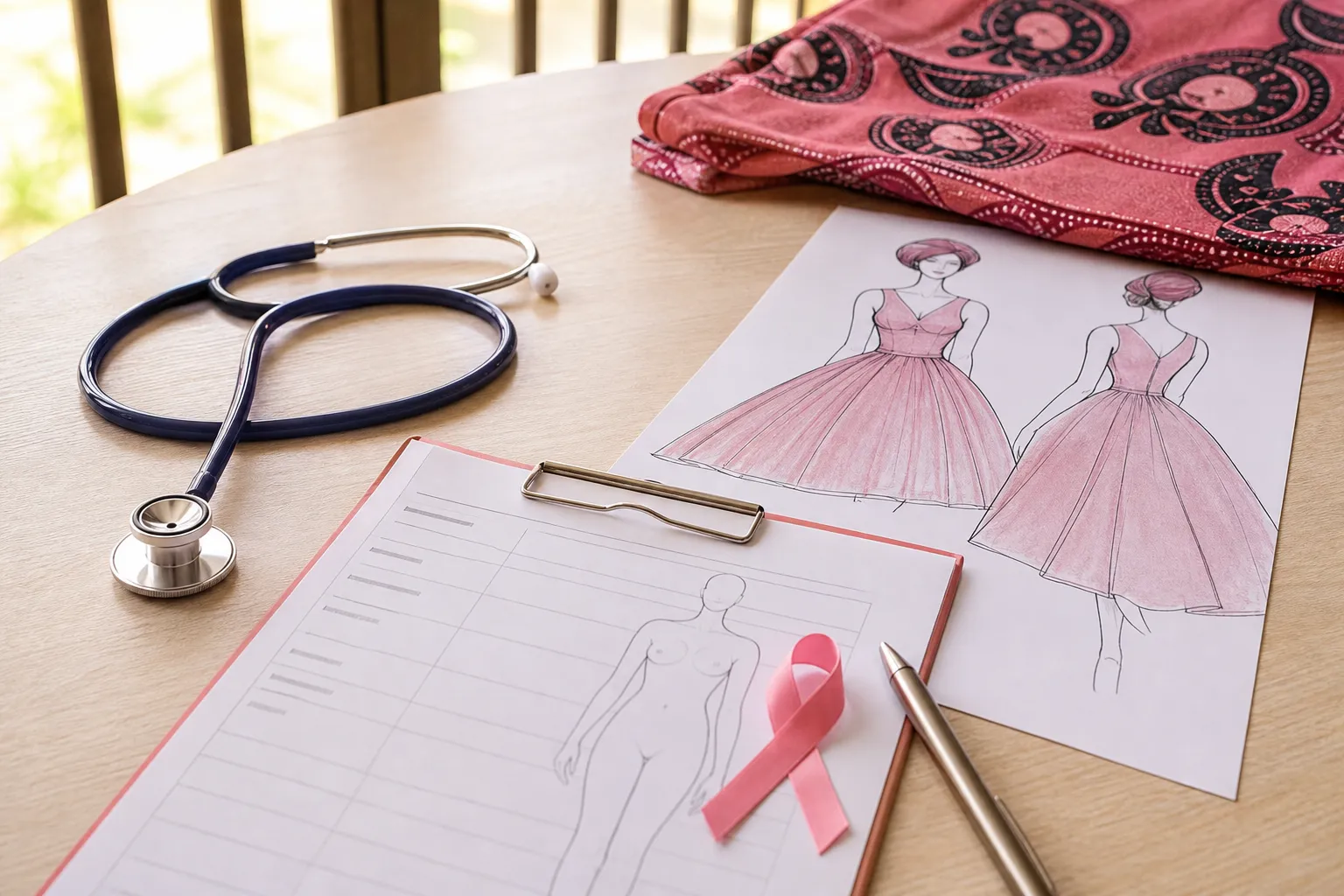
According to MyJoyOnline, Ghanaian fashion designer Miriam Ablah Anani spoke about breast cancer treatment, financial difficulties, a relationship breakup, and fertility stigma. In 2020, she discovered a painful lump in her left breast but initially turned to herbal treatment on the advice of a close person and her family. When her condition did not improve, Anani sought medical help, where she was diagnosed with breast cancer.
She underwent chemotherapy, surgery, and radiation therapy at Korle Bu Teaching Hospital. Anani began sewing at the age of 17 and later became a fashion designer. According to her, the illness became a difficult emotional, physical, and financial ordeal for her.
Treatment and support from friends
Anani said that her partner left her after learning about the diagnosis and at the beginning of her treatment. During chemotherapy, she had difficulties paying medical expenses until friends provided her with financial assistance.
More current news is available on the UA.News Telegram channel Telegram.
According to the designer, the emotional pressure was so severe that she considered suicide. She noted that prayer, faith, and the support of people around her helped restore her hope and continue treatment. After chemotherapy, surgery, and radiation therapy, the woman also experienced a recurrence of the disease. The death of her brother intensified her fear for her own life.
Fertility after treatment
Professor Josephine Nsafull, president of the Breast Society of Ghana, explained that a breast cancer diagnosis does not in itself mean an inability to have children. At the same time, for some patients fertility may depend on age and the effects of chemotherapy on the ovaries. According to her, women aged around 45 and older may more often face such difficulties, as ovarian function declines with age and chemotherapy may additionally affect it.
Anani urges women to pay attention to unusual or persistent changes in their bodies, including a lump in the breast, changes in its size or shape, and nipple abnormalities. She also emphasizes the importance of regular follow-up examinations after treatment is completed and promptly seeking medical care if new symptoms appear.


