
Six chikungunya cases confirmed in Pakistan’s Nowshera district
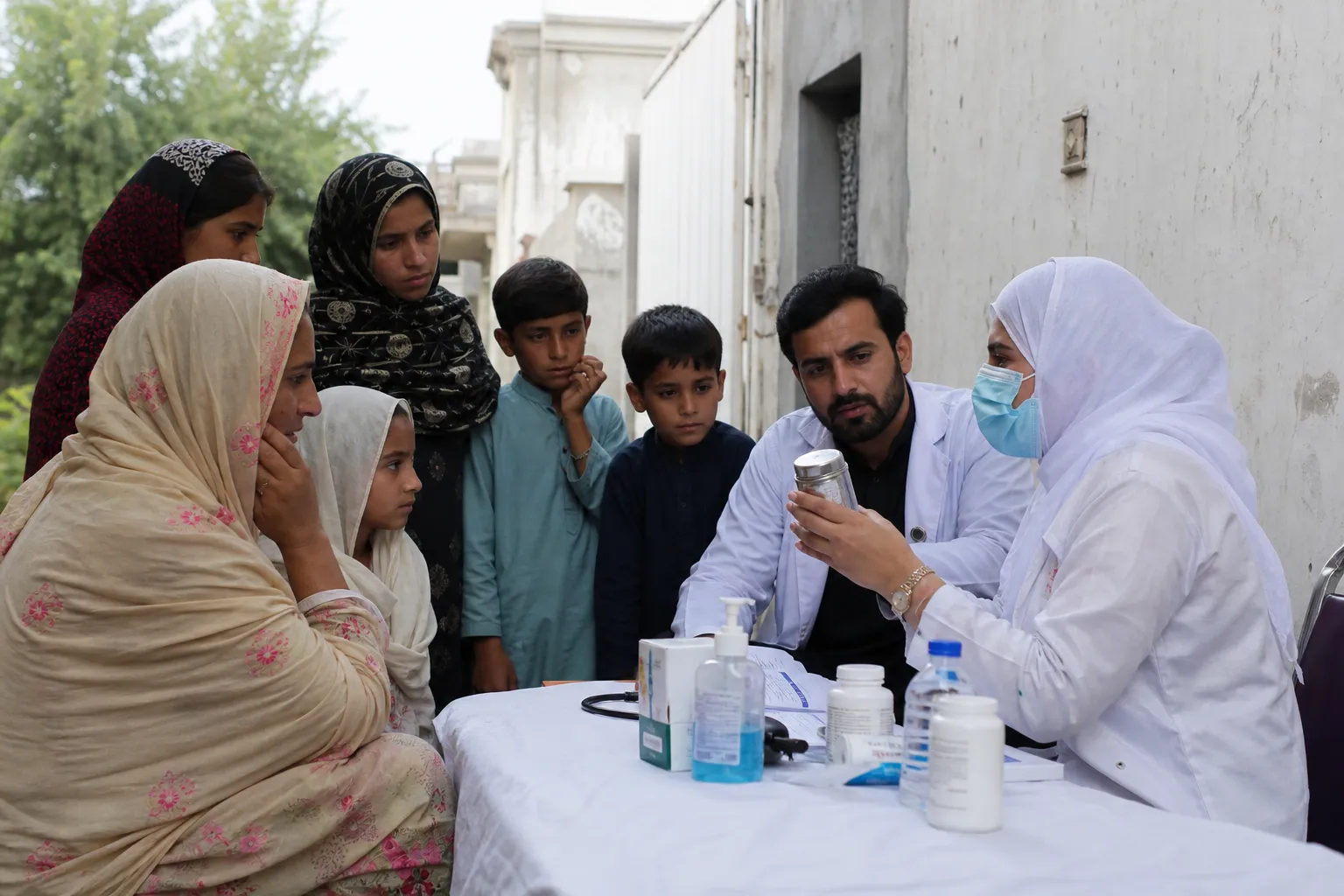
In Pakistan’s Nowshera district, the health department launched response measures after confirming six cases of chikungunya, a viral infection transmitted through mosquito bites. As Dawn reports, one of three samples collected in Malakand district also tested positive.
Nowshera District Health Officer Akram Shah said that 192 suspected cases had been identified in total. Another 25 samples were sent to a laboratory for confirmation. Earlier, medics recorded 45 suspected cases and sent 15 samples to the public health reference laboratory, six of which tested positive.
Outbreak cluster in Kaka Sahib
The cases were registered in the Spin Kanai union council in the Kaka Sahib area. According to Shah, the situation is under control, and an epidemiological investigation is expected to determine the source of the outbreak and the characteristics of the virus’s spread. All patients with confirmed diagnoses are stable.
Spin Kanai is among ten localities most vulnerable to vector-borne diseases, including malaria, dengue and chikungunya. Malaria cases were initially detected there, but later some patients complained of body aches, nausea and high fever, after which they were tested for chikungunya.
More current news is available on the UA.News Telegram channel Telegram.
Shah linked the risk of mosquito breeding to the area’s shallow drainage system. Medical workers also appealed to residents through mosques not to store water in uncovered containers and are holding medical camps where they examine and treat patients and provide information on disease prevention.
Measures for hospitals and communities
The Directorate General of Health Services instructed authorities to establish a district operations center, organize isolation wards in hospitals near areas with the highest number of suspected cases, and ensure supplies of necessary medicines. It also ordered intensified elimination of mosquito breeding sites, up-to-date case records and expanded information campaigns.
Yasar Mehmud Yusufzai, director of the reference laboratory, said that samples were taken from residents reporting viral fever. According to him, chikungunya usually resolves on its own within 7–10 days. Officials said there is no specific treatment, vaccine or antiviral drug for this infection, so doctors focus on relieving symptoms.




