
Children with Ebola in the DRC lack tailored treatment
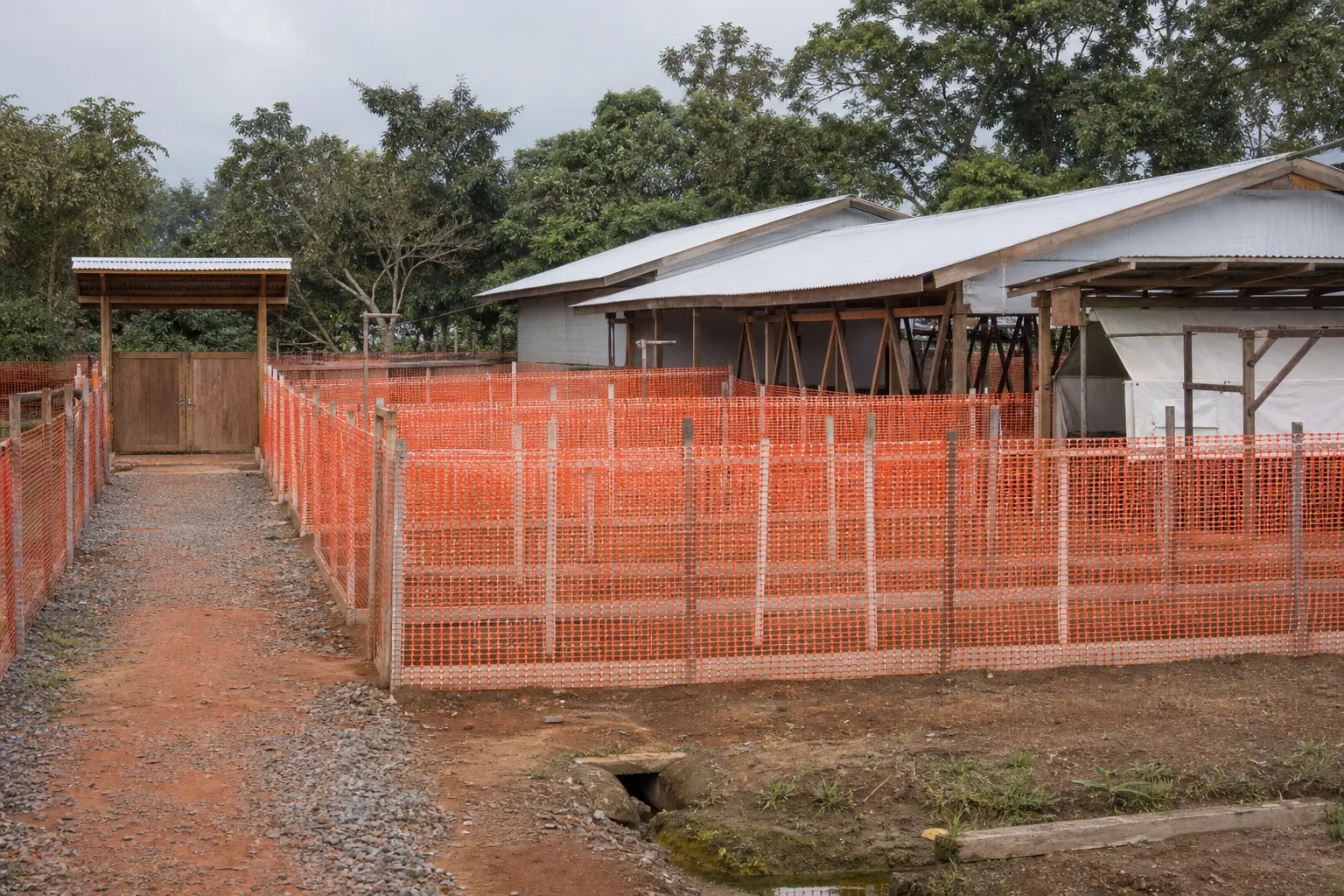
In the Democratic Republic of the Congo, during the current Ebola outbreak, children, especially those under five, face a higher risk of death than adults. Since the outbreak began in mid-May, more than 3,000 people have died. According to a commentary by Médecins Sans Frontières published in The Lancet, the mortality rate among infected children under five exceeds 60%.
As Deutsche Welle English reports, one problem is the shortage of medicines and data on their use for young patients. Médecins Sans Frontières called for children’s needs to be considered in research into Ebola treatment and prevention.
Children’s participation in the study
The EBO-PEP study, which began in mid-July, is examining the experimental antiviral drug obeldesivir. It is being studied as a protective measure for people who have been exposed to the Bundibugyo Ebola virus — the strain that caused the current outbreak.
Children weighing less than 30 kilograms, meaning approximately those under 12 years old, were not included in the initial protocol. The protocols may soon be changed to include children weighing more than 20 kilograms. At the same time, patients weighing less than 20 kilograms, approximately up to six years old, will not be included in treatment with obeldesivir.
More current news is available on the UA.News Telegram channel Telegram.
An alternative for them is intravenous remdesivir, but the course involves infusions over ten days. According to Médecins Sans Frontières, providing such treatment during an outbreak is difficult, especially for young children.
Diagnostic difficulties
Pediatrician Neil Russell, who advises Médecins Sans Frontières, noted that children are harder to diagnose: early Ebola symptoms may resemble manifestations of other diseases, and young patients find it difficult to accurately describe their condition. Children also require closer monitoring and staff with specialized training. In addition, parents or guardians are not always able to accompany them to an Ebola treatment center.
Doctors emphasize that children cannot be viewed as “small adults,” as their metabolism, response to medicines, and pharmacokinetics differ. Therefore, separate studies are needed to determine dosages and create pediatric formulations of medicines.
In May, at Berlin’s Charité clinic, the wife and four children of an American doctor who contracted the Bundibugyo Ebola virus were prophylactically given the experimental antibody-based drug MBP134. All family members remained healthy, and no visible side effects were recorded. At the same time, doctors noted that it is unknown whether the drug itself prevented infection and that the results of such a small case cannot be generalized to the wider population.




