
Doctors in Singapore explain how to safely perform Kegel exercises
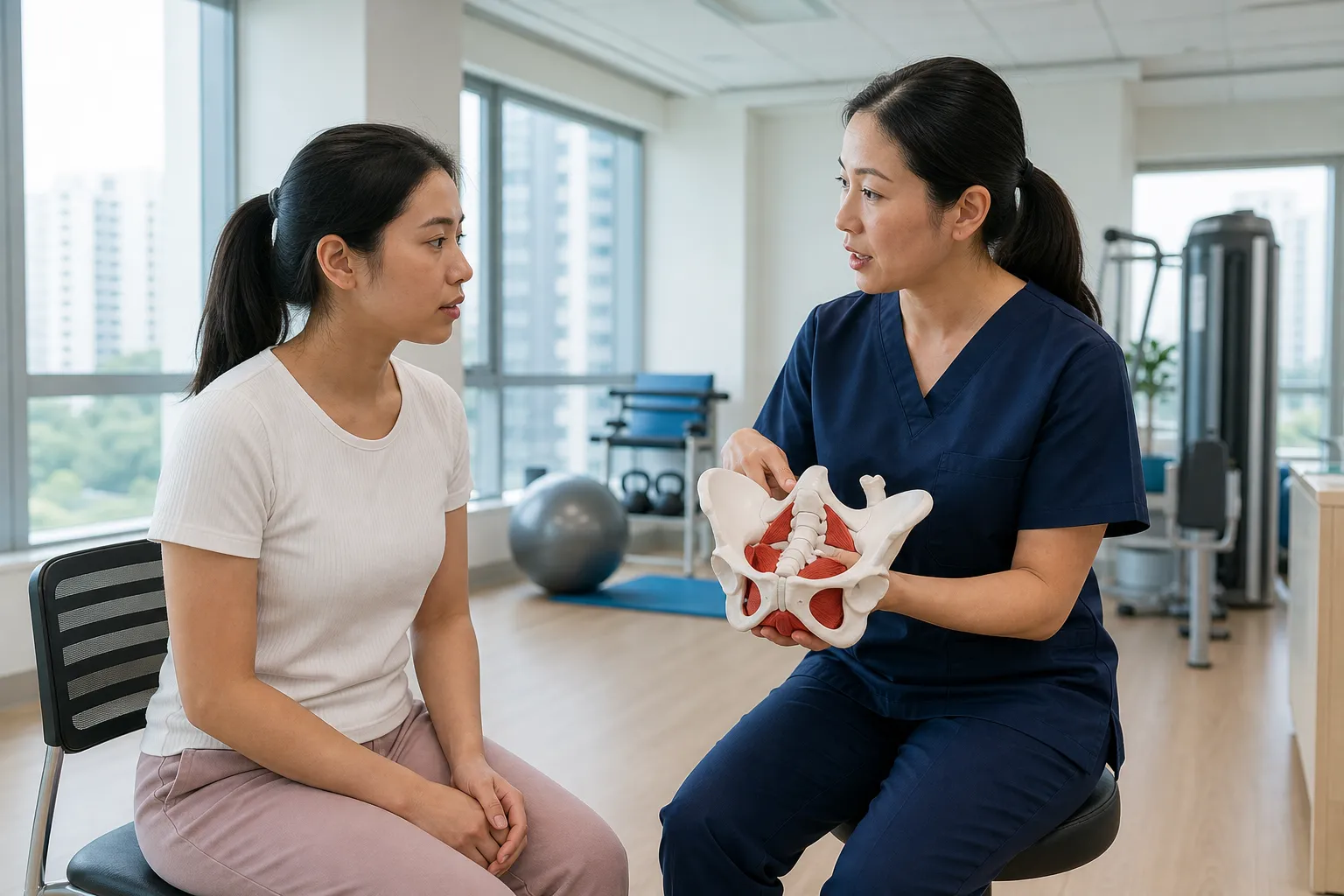
In Singapore, obstetrics and gynecology specialists explained how to correctly perform Kegel exercises to strengthen the pelvic floor muscles and in which cases they should be avoided. As Channel NewsAsia reports, weakening of these muscles may contribute to stress urinary incontinence — involuntary urine leakage during coughing, sneezing or physical exertion.
According to SingHealth, around 15% of women in Singapore experience stress urinary incontinence. The pelvic floor muscles support the uterus, bladder and rectum, help control urination, defecation and the passage of gas, and are also important for sexual function.
How to perform the exercises
Obstetrician-gynecologist Harvard Lin noted that Kegel exercises involve controlled contraction of the pelvic floor muscles. To begin, he and gynecologist Aswini Balachandran advise sitting upright or lying down, with the legs slightly apart and the abdomen, buttocks and legs relaxed. The muscles should then be tightened for several seconds without holding one’s breath, and then fully relaxed for the same amount of time.
To identify the correct muscles, doctors suggest imagining an attempt to hold back gas. A proper contraction should feel like an inward upward lift. The regimen recommended in the article is eight to 12 contractions three times a day, with the quality of contraction and relaxation taking priority over a high number of repetitions.
Doctors do not recommend stopping urination midway through the process to identify the pelvic floor muscles. According to them, this may contribute to urine flowing back into the bladder and increase the risk of urinary tract infections.
More current news is available on the UA.News Telegram channel Telegram.
Signs of proper technique
During the exercises, the lower abdomen should remain soft and still, while the buttocks, inner thighs and hip-area muscles should stay relaxed. A person should be able to breathe freely, speak or count aloud. A sensation of downward pressure, straining or bulging, by contrast, may indicate incorrect technique.
Complete relaxation after each contraction is also important. If the muscles cannot be clearly relaxed or it is difficult to contract them correctly, Aswini Balachandran advises consulting a physiotherapist who specializes in pelvic floor muscles.
Who the exercises may harm
Kegel exercises are not suitable for everyone. With excessive or persistent tension in the pelvic floor muscles, additional contractions may worsen pain in the pelvis, lower back, hip area or tailbone, cause constipation or intensify urges to urinate. Other possible symptoms of this condition include difficulty starting urination, a slow urine stream, a feeling of incomplete bladder emptying and pain during sexual intercourse.
For women with vaginismus or pain during sexual intercourse, doctors advise avoiding muscle-contraction exercises and instead considering therapy aimed at relaxing and lengthening the muscles. Pelvic floor weakness may be linked not only to pregnancy and childbirth, but also to excess body weight, chronic coughing, constipation, intense physical exertion and certain inherited connective tissue disorders.


