
Singapore advertorial names protein intake guidelines and plant sources
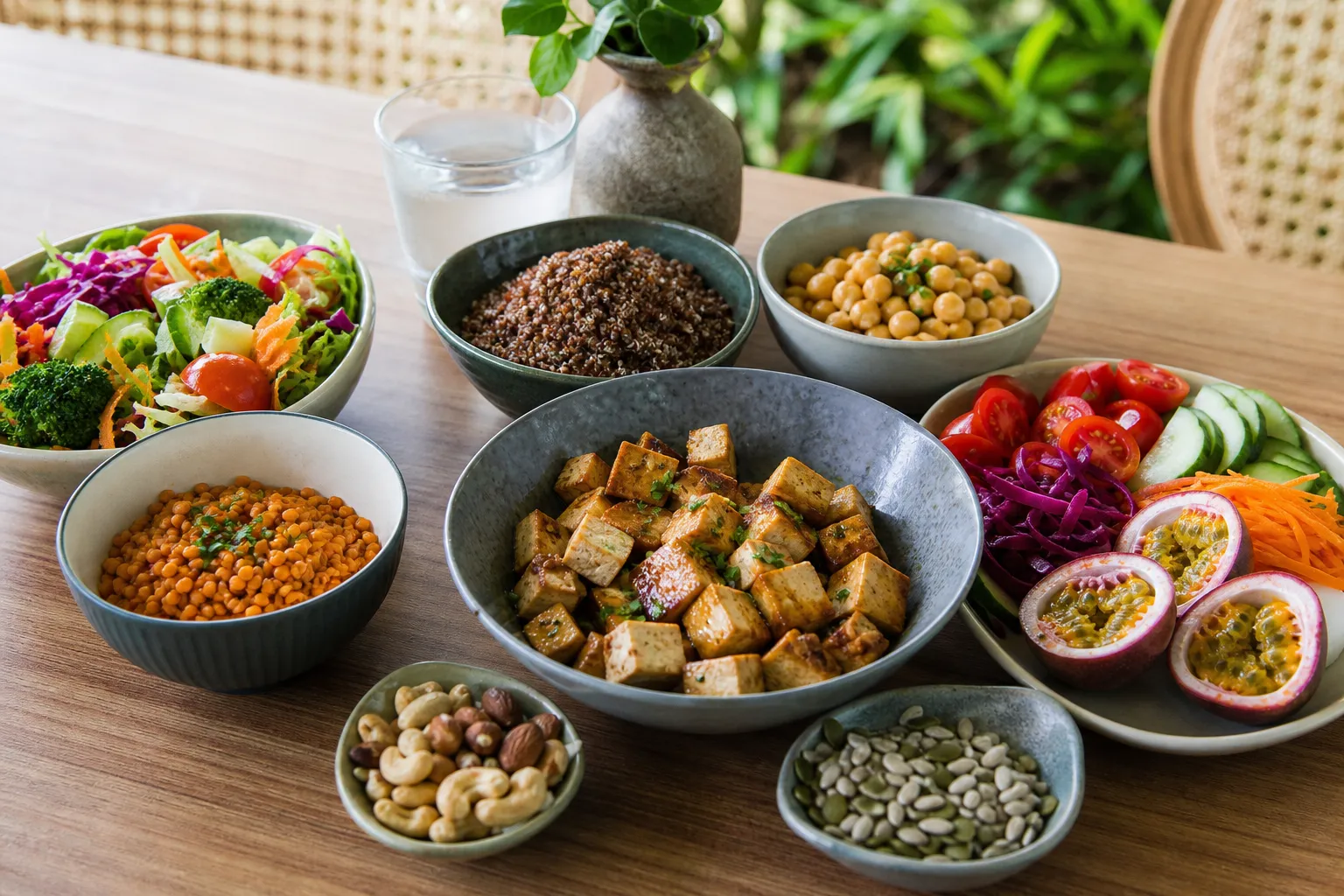
In an advertorial by Singapore’s Channel NewsAsia, Ng Poh Moon, senior dietitian at the health food brand Kinohimitsu, discussed daily protein requirements and the possibility of meeting them with plant-based foods. According to her, protein needs may increase with age, during recovery from illness or with higher levels of physical activity.
As stated in the publication, citing Singapore’s Health Promotion Board, people aged 18 to 49 need about 0.8 g of protein per kilogram of body weight per day. From age 50, the figure is about 1.2 g per kilogram. Thus, for a person weighing 65 kg, this is approximately 52 g of protein before age 50 and 78 g from age 50.
Not only the amount of protein
Ng Poh Moon noted that after absorption, protein is broken down into amino acids, which the body uses for the growth and repair of tissues, as well as for producing enzymes and hormones. Protein also helps maintain muscles needed for everyday mobility.
At the same time, reaching the target amount of protein is not the only indicator of a balanced diet. The dietitian stressed the importance of sufficient intake of energy, carbohydrates, fats, dietary fibre, vitamins and minerals.
More current news is available on the UA.News Telegram channel Telegram.
Plant sources of protein
According to the dietitian, plant proteins can meet the body’s needs, although their amino acid composition differs. Eggs, dairy products, meat and fish usually contain all essential amino acids, while some plant foods may contain lower amounts of certain amino acids. Diversifying protein sources throughout the day, in her assessment, helps provide the necessary range of amino acids.
Ng Poh Moon listed soy and quinoa as complete plant proteins. Among other sources, she named peas, lentils, chickpeas, beans, nuts and seeds. As an example of a daily diet for a person weighing 65 kg and under 50, she cited oatmeal with unsweetened soy milk and chia seeds, tofu with brown rice and vegetables, as well as lentils or chickpeas with rice and vegetables. Depending on portion sizes, such a diet may contain approximately 53–59 g of protein.
The publication also notes that legumes are a source of fibre, vitamins and minerals, while nuts and seeds contain unsaturated fats. For people wishing to add more plant foods to their menu, the dietitian advised starting gradually by replacing some animal protein with tofu, beans or other plant sources in one or two meals per week.


