
In the US, CT calcium scans are most useful for borderline or intermediate risk
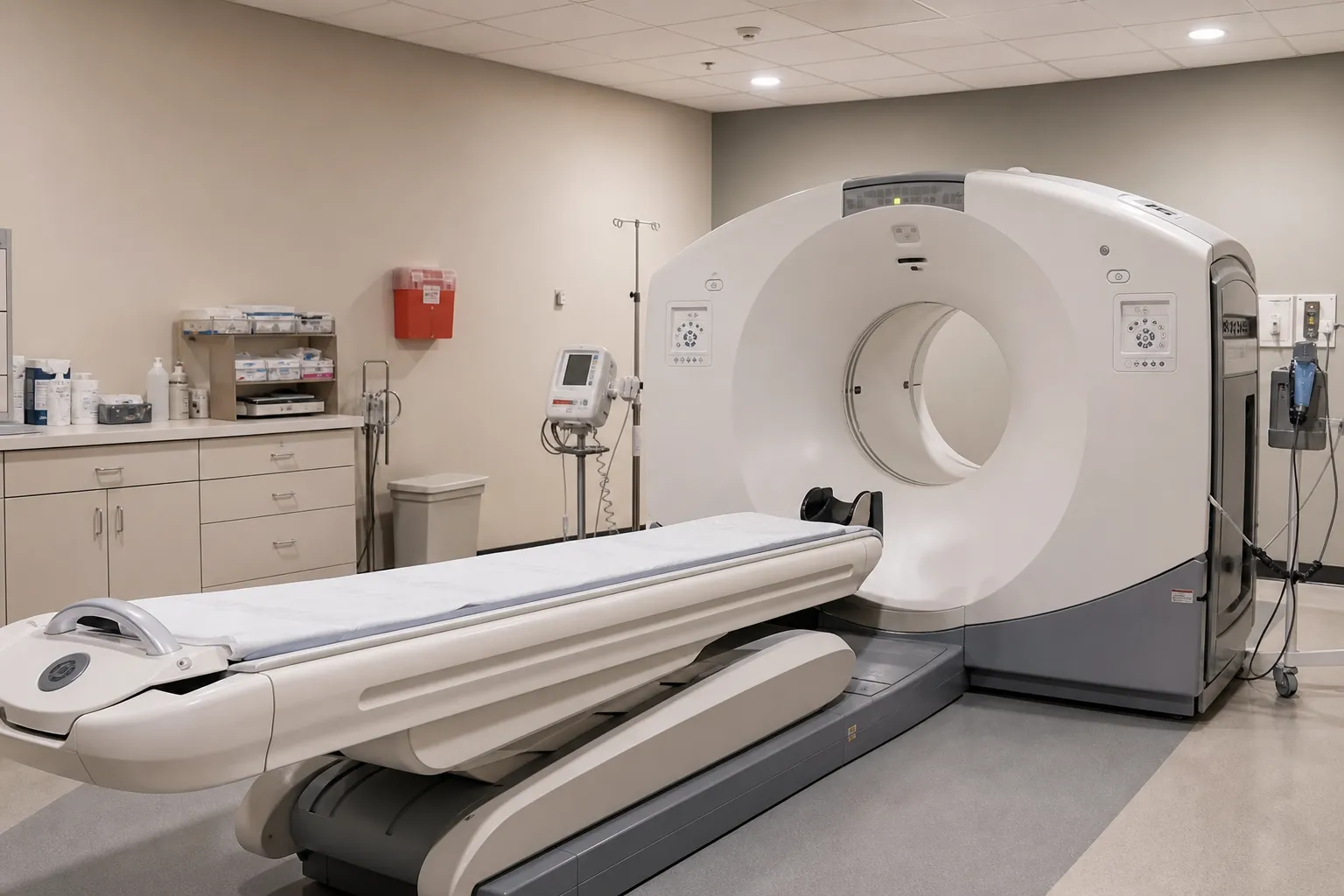
In the United States, a Northwestern Medicine study found that CT scans of the coronary arteries to determine calcium levels provide the greatest additional benefit for people with borderline or intermediate cardiovascular disease risk. For the overall group of participants, adding the calcium score only slightly improved risk assessment compared with the American Heart Association’s PREVENT calculator, ScienceDaily reports.
Data from a decade of follow-up
Scientists analyzed data from more than 6,000 adults aged 45 to 79 who took part in the Multi-Ethnic Study of Atherosclerosis. At the beginning of the study, each participant’s coronary artery calcium score was determined, and their probability of a cardiovascular event over the following 10 years was calculated using PREVENT.
Over the next decade, 6% of participants had a heart attack or stroke. The model’s ability to distinguish people who would have a cardiovascular event from those who would not increased from 0.73 using PREVENT alone to 0.75 after adding the calcium score. The study was published on August 26 in the journal JAMA.
Who may benefit from screening
A more noticeable improvement in prediction was found in the group for which PREVENT initially determined a borderline or intermediate 10-year risk of heart disease — from 3% to 9%. In these patients, adding the calcium score provided a clearer picture of who had a higher or lower probability of future cardiovascular events.
More current news is available on the UA.News Telegram channel Telegram.
The calcium score reflects the amount of detected calcified plaque in the coronary arteries that supply blood to the heart. A higher score is generally associated with a higher risk of cardiovascular disease.
The study’s senior author, assistant professor of medicine Nilay Shah, noted that for people at low risk, routine scanning may mean unnecessary radiation exposure, additional examinations, and costs without clear clinical benefit. For high-risk patients, the test may also be unnecessary, as they are recommended to begin statin therapy regardless of the scan result.
The researchers emphasized that further work is needed to assess the benefits of the calcium score in specific groups, including adults of South Asian and Filipino descent, as well as younger people.


