
Ghana plans to make rural connectivity cheaper by the end of Q1 2027
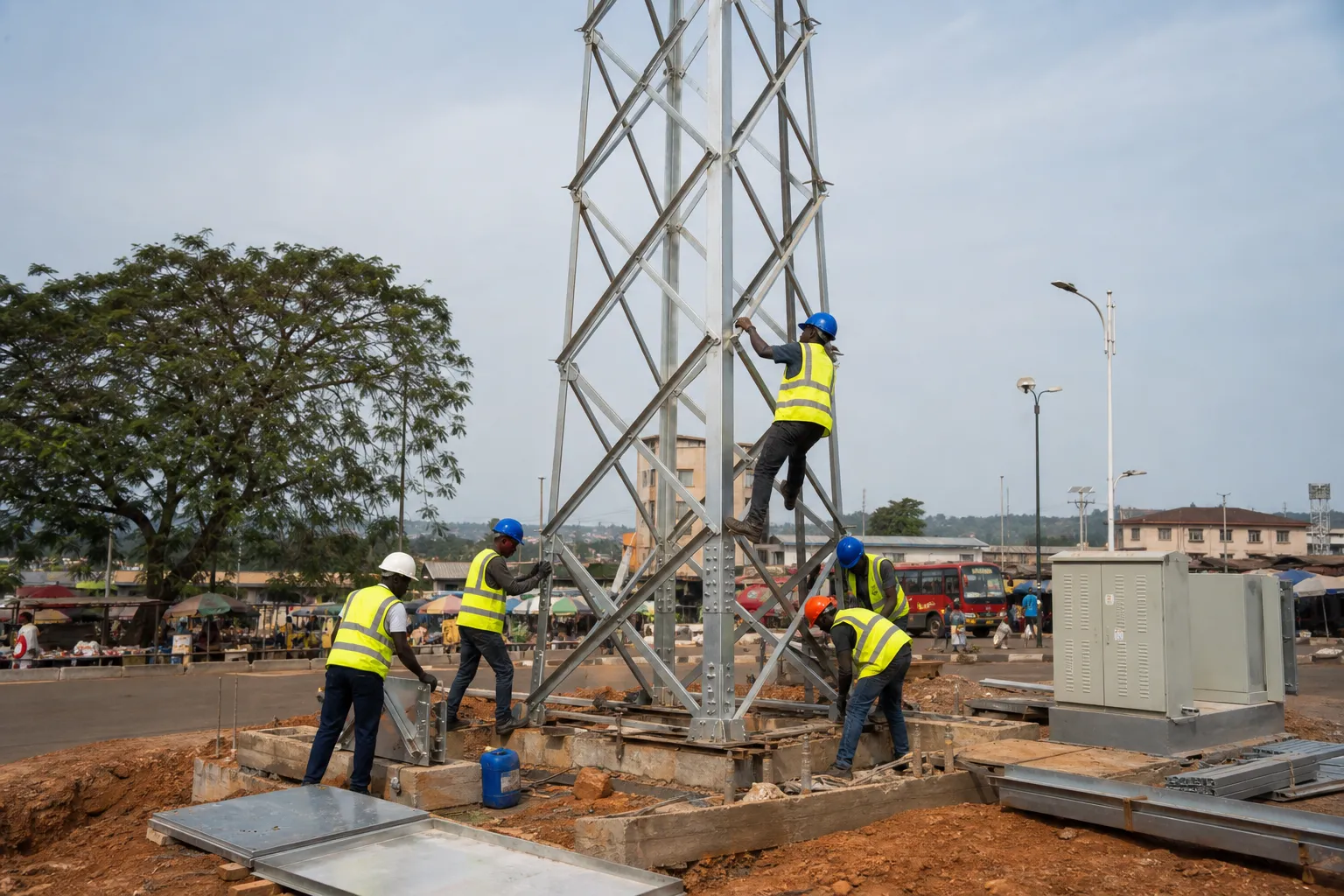
In Ghana, the government plans to reduce the cost of calls and mobile internet in rural telecommunications networks by the end of the first quarter of 2027. This was stated by Minister of Communication, Digital Technology and Innovations Samuel Nartey George during visits to telecommunications facilities in the Akuapim South District and the Eastern Region, MyJoyOnline reports.
The ministry is working with Ghana’s National Communications Authority (NCA), the Ghana Investment Fund for Electronic Communications (GIFEC), and mobile operators to review the current billing system. The aim is to ensure that subscribers of rural networks can use voice and mobile internet bundles they have already purchased.
Changes to billing
According to George, subscribers may currently be charged directly when they connect to a rural telecommunications station, even if they have an active service bundle. The minister said that residents of rural communities have fewer economic opportunities than city dwellers, yet pay more for calls and data transmission.
He said that he had issued a directive to change this arrangement. The NCA and operators are working on the technical integration required to implement the changes.
More current news is available on the UA.News Telegram channel Telegram.
Network upgrades
The government also plans to upgrade rural telecommunications facilities so that they support at least 4G. George noted that communities should not primarily use 2G and 3G networks while the world is moving to 5G and newer technologies.
Mobile operators are expanding infrastructure in parallel: MTN is deploying 800 stations, while Telecel plans to install about 350. Nearly 180 MTN stations have already been completed, and by the end of the year the government expects about 400 of the 800 facilities to be completed. All 800 MTN stations are expected by the government to become operational in the first or second quarter of 2027.
This year, GIFEC’s budget for rural connectivity provides for about 30 million Ghanaian cedis, equivalent to nearly $3 million. Of this amount, $400,000 is allocated for urgent repair work at 20 facilities. Currently, traffic is handled by about 1,400 rural telecommunications stations, while another 300 completed facilities are awaiting connection.


