
Kristjan Port: The new tech boom will require physical infrastructure
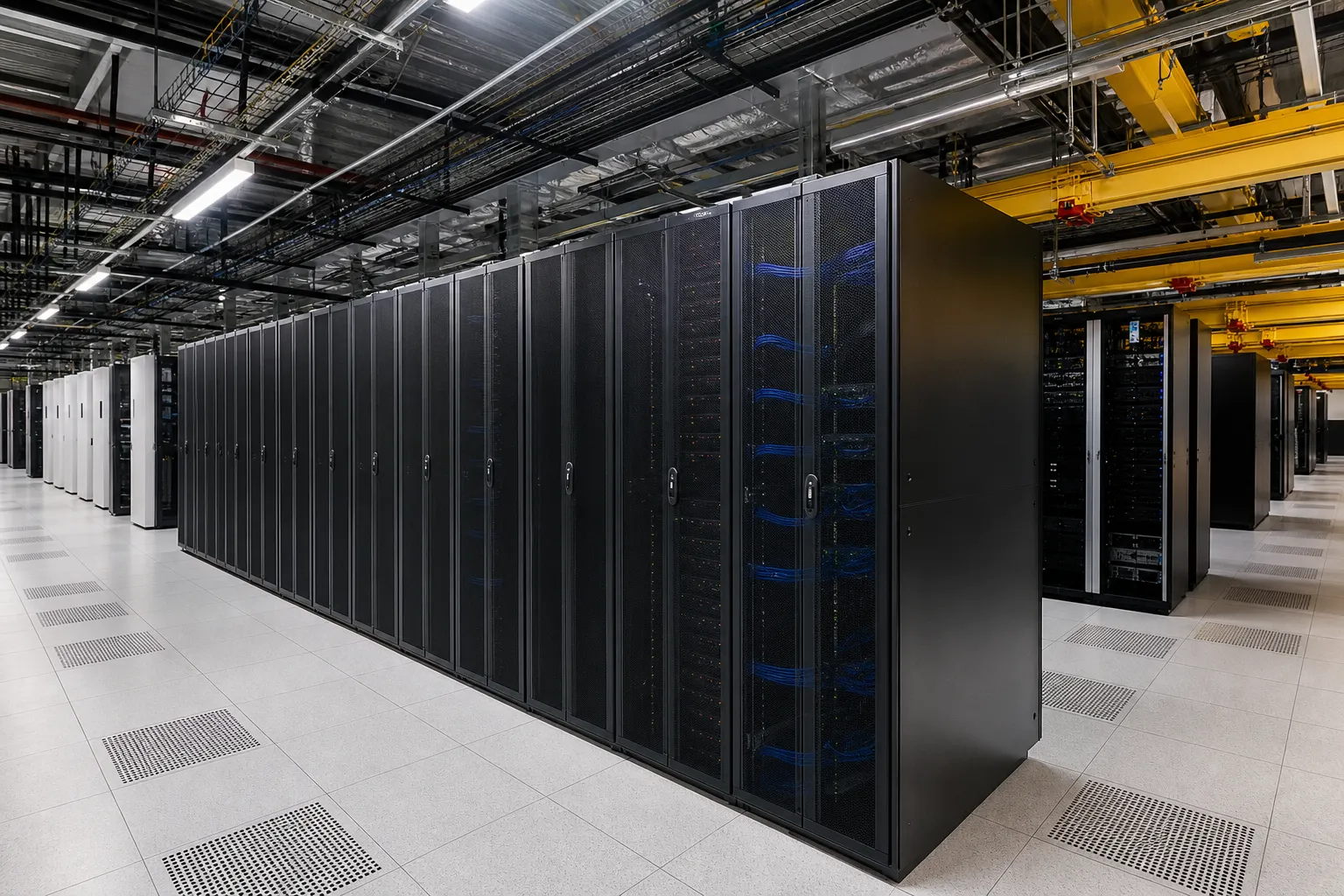
R2 technology commentator Kristjan Port believes that the next wave of growth in the technology sector will require not only laptops and the internet, but also power plants, chip manufacturing factories, satellites and large data centers. He wrote about this in a column for ERR News.
According to Port, the development of information technology over decades made it possible to create prosperity with relatively little physical infrastructure. This became an advantage for small countries, including Estonia: a strong IT industry could be developed even in small buildings, without large-scale industrial enterprises.
AI and large data centers
The columnist notes that artificial intelligence is changing this model. An AI-based economy requires substantial computing power and therefore large data centers and industrial infrastructure.
Such projects, Port writes, often face opposition because of concerns about job losses, rising electricity and water bills, and environmental pollution. At the same time, he notes that these concerns do not always correspond to reality.
More current news is available on the UA.News Telegram channel Telegram.
According to him, Estonian companies are trying to capitalize on opposition to large-scale projects in bigger countries in order to locate some data centers in Estonia. The presence of critical digital infrastructure on the country’s territory, the author believes, could also offer strategic security advantages in the event of an attack.
The SpaceX example
Port cites the example of Elon Musk, who promised to allocate up to $100 billion for a new SpaceX launch site. Under Musk’s plans, the facility could eventually support thousands of rocket launches per year to significantly expand the Starlink satellite network and create space-based data centers.
The author writes that the search for a location for such a spaceport reportedly lasted seven years. The project requires not only compliance with environmental requirements, but also the ability to transport and handle large volumes of hazardous rocket fuel.
According to Port’s estimate, one thousand launches a year would require an amount of fuel roughly equivalent to Estonia’s car fuel consumption over seven years. In his view, the digital economy is not disappearing, but is once again acquiring a physical dimension: energy, chip production, satellite systems and data centers may become sources of future growth.


