
Construction of AI data centers in the US boosts freight transport
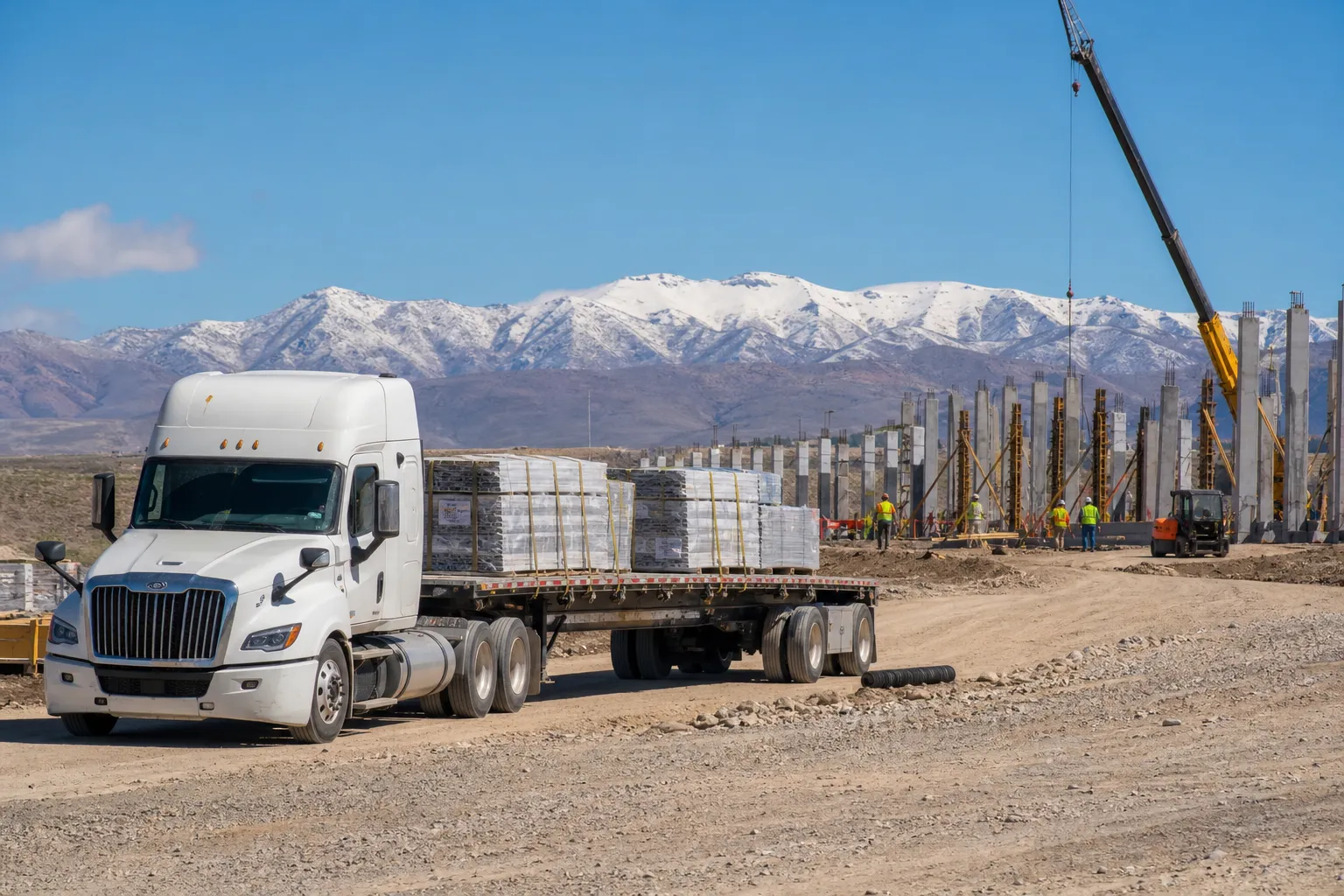
The construction of data centers for artificial intelligence in the United States is increasing workloads for freight carriers, particularly companies that transport oversized equipment and construction materials. This was reported by CNBC Top News. Ventilation and cooling systems, pipes, cables, semiconductors, generators, transformers, concrete, and other components are being delivered to the sites.
Demand for specialized transportation
According to Cox Fleet Senior Vice President Patrick Brennan, activity around AI and data centers has become an opportunity for fleets amid uneven overall freight demand. The effect is most noticeable in flatbed and heavy-haul segments that deliver equipment and materials for large construction projects. Brennan said spot rates in these segments reached multi-year highs this summer, while transport capacity is limited in regions with active construction.
Data centers are often built with factors including land costs and power supply considerations in mind. This changes not only freight volumes but also transportation routes: cargo flows are being directed to areas that were not previously traditional logistics hubs. Some equipment may be delivered by rail, but it is usually transported by trucks from terminals to construction sites.
New orders and labor shortages
Construction projects create demand not only for drivers with commercial licenses, but also for diesel mechanics, fleet maintenance specialists, and logistics staff. Brennan noted that this intensifies competition for workers in an industry where the labor pool had already been shrinking, and also increases the need for repair capacity.
More current news is available on the UA.News Telegram channel Telegram.
Smaller carriers are also receiving new orders, especially for transporting transformers, generators, and large batches of materials. At the same time, altLINE manager Jennifer Lockett said that rising volumes can put pressure on their cash flow: fulfilling contracts requires additional trucks, drivers, and equipment, while fuel, labor, and maintenance costs arise before payment is received from the customer.
Activity is mostly temporary
According to research cited by Marsh logistics practice leader Janelle Griffith, 67% of planned data centers are located in rural areas, and 39% of facilities are expected to appear in counties where such structures did not previously exist. She said surges in freight traffic and route changes are already being observed in Georgia and Texas.
At the same time, experts caution communities against excessive expansion of transport infrastructure. After construction is completed, truck traffic to a data center decreases significantly, as such facilities require much less logistical support than warehouses or distribution centers.




