
James Chen called on billionaires to fund high-risk social projects
James Chen, founder of the Clearly campaign and chairman of The Chen Yet-Sen Family Foundation, has called on wealthy donors to invest in high-risk projects that can solve social and environmental problems on a large scale. In a column for Fortune, he wrote that philanthropy should not be a tool for building reputation, but rather a source of seed capital for systemic innovation.
Chen recounted that about 20 years ago, he tried to convince the World Bank to support variable-power contact lenses for low-income countries. After two years of lobbying, the bank declined. Following that, according to Chen, he founded the nonprofit organization Vision for a Nation to test whether it was possible to ensure universal access to eye care at the national level.
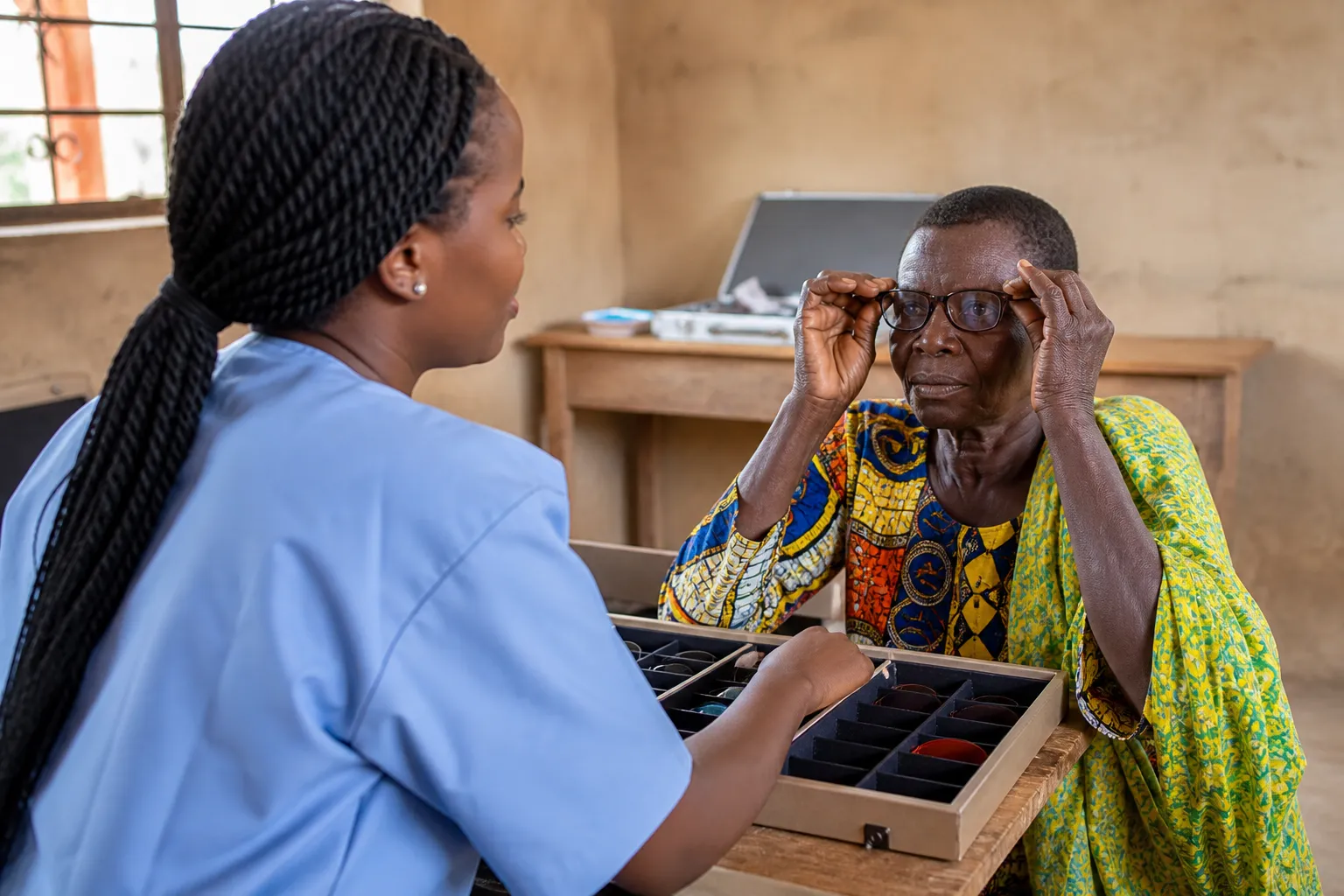
According to the author, in Rwanda, the project assumed all financial risk, trained 2,700 local nurses, and conducted vision screenings in all 15,000 villages across the country. Chen also stated that Rwanda became the first country in the world to ensure universal access to affordable vision correction.
For more breaking news, follow the UA.News Telegram channel.
He noted that replicating such programs in different countries relying solely on limited private funding would take far too long. Therefore, the Clearly campaign commissioned a study on the economic impact of vision correction. According to data cited by Chen, a randomized controlled trial among tea pickers in the Indian state of Assam showed that workers who received glasses increased their daily productivity by 21.7%.
Chen links this evidence base to the UN’s 2021 resolution on ensuring eye care for all by 2030. According to him, the document imposes obligations on all 193 member states. He also noted that by 2048, more than $124 trillion could be transferred to the next generation as part of a major redistribution of wealth, and called on tech entrepreneurs and investors in artificial intelligence to apply their risk-taking mindset to philanthropy.


