
From "Game of Thrones" to Pokémon: Which Media Franchises Have Earned the Most Worldwide
September 20 marks George R. R. Martin’s 78th birthday. The American author was born on September 20, 1948, in Bayonne, New Jersey, and sold his first professional short story back in 1970. A few decades later, he created a world that made him one of the most famous authors of contemporary fantasy.
“A Song of Ice and Fire,” which began with the novel *A Game of Thrones* in 1996, has since evolved into a much larger enterprise. The HBO series, *House of the Dragon*, *Knight of the Seven Kingdoms*, video games, board games, collectibles, and dozens of licensed products have made Westeros a global media franchise in its own right.
Warner Bros. Discovery continues to expand this universe today: in 2026, the company reported that the third season of *House of the Dragon* averaged over 33 million viewers per episode worldwide, while *A Knight of the Seven Kingdoms* averaged over 24 million viewers per episode.
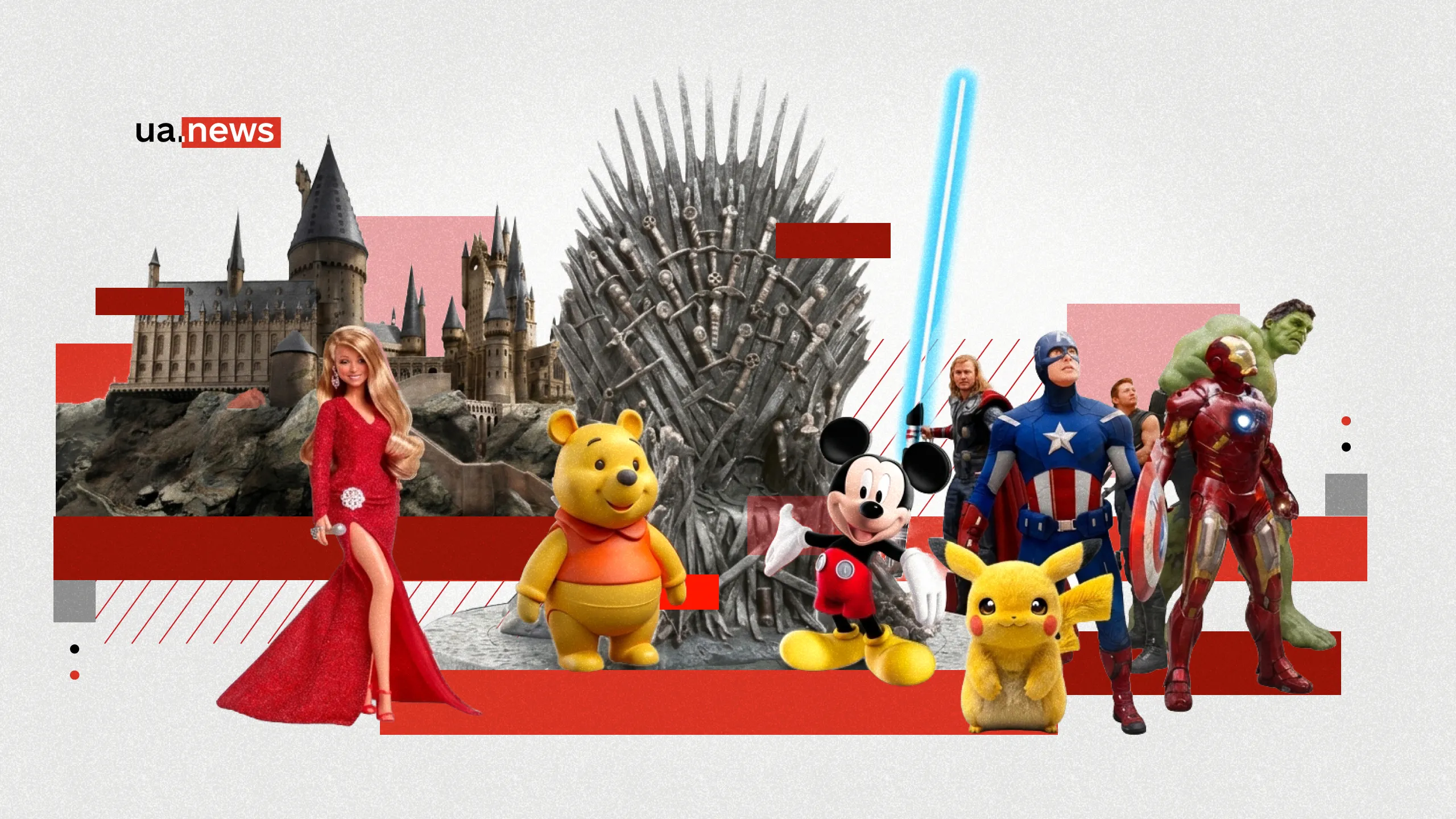
But Martin’s story is far from the best example of just how much money a popular fictional world can generate. Pokémon started with video games, Harry Potter with books, Star Wars with a single movie, Barbie with a doll, and Mickey Mouse with an animated character. Over the decades, each of these brands has evolved into a business spanning multiple industries.
It’s nearly impossible to calculate their revenue with absolute precision. Companies rarely publish consolidated revenue figures for a specific franchise over its entire history, and different studies count retail merchandise sales, licensing revenue, box office receipts, and video game sales in different ways. Therefore, the figures below should be viewed as estimates of scale rather than financial statements.
UA.News explains how “Game of Thrones” turned George R.R. Martin’s books into a global brand and which media franchises have earned the most in history.
“Game of Thrones” turned Martin’s books into a multibillion-dollar industry
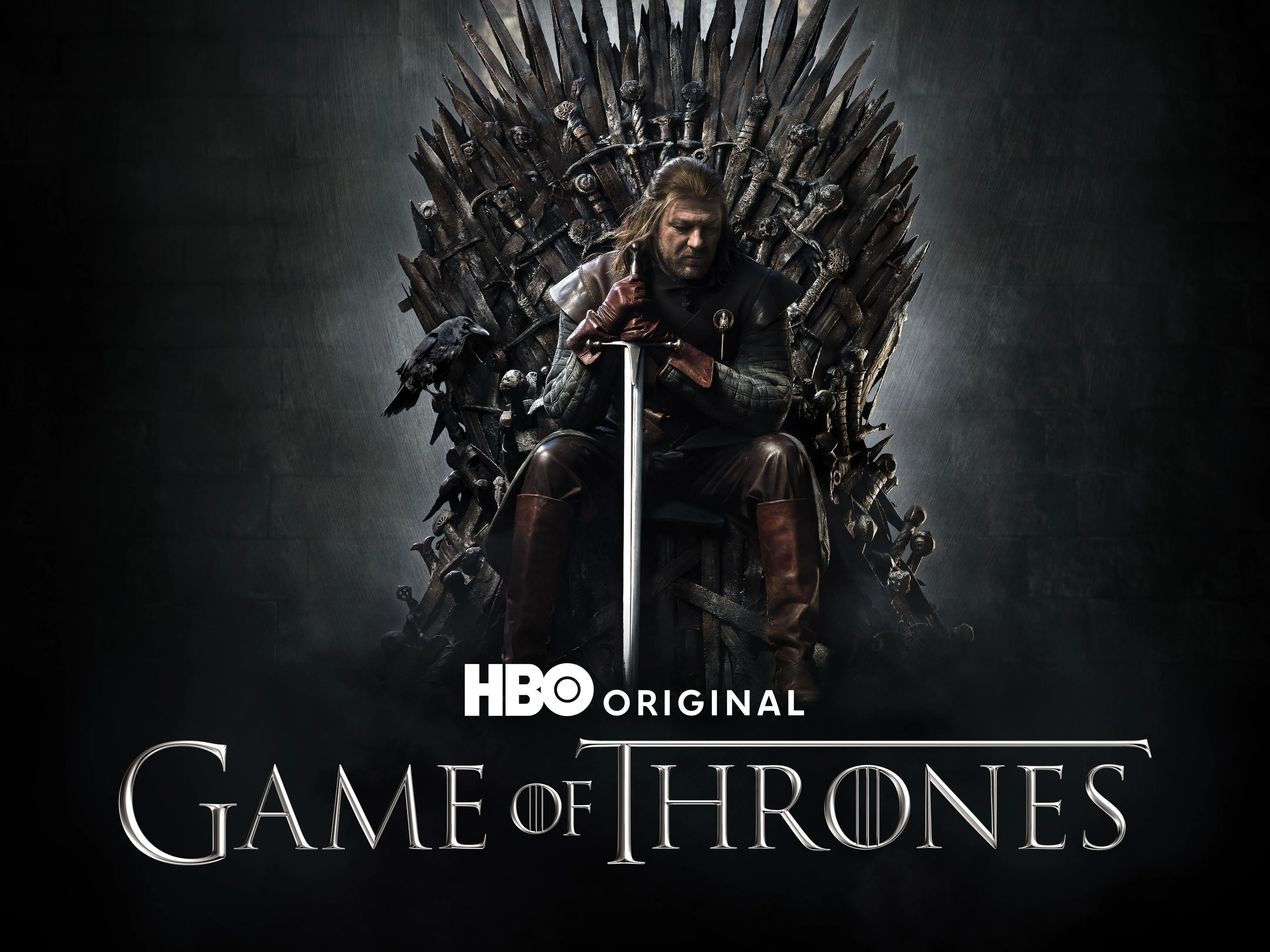
Before the HBO series premiered, George R.R. Martin was already a successful author, but it was television that took the world he created to an entirely new level. The first season of “Game of Thrones” premiered in 2011. Prior to that, the first four books in the series had sold approximately 4.5 million copies, but the show’s popularity dramatically accelerated book sales. As of 2019, *A Song of Ice and Fire* had sold approximately 90 million copies worldwide.
Along with the series came a massive spin-off economy: video games, board games, alcohol, clothing, jewelry, figurines, replica swords, and other licensed merchandise.Previous estimates put the combined revenue from *A Song of Ice and Fire* and *Game of Thrones* at approximately $5.8 billion: about $4.5 billion in television revenue, approximately $900 million from books, $280 million from DVDs and Blu-rays, and over $130 million from video games.
But this is an old estimate that cannot fully account for *House of the Dragon*, *The Knight of the Seven Kingdoms*, modern streaming, new games, and further licensing. Therefore, the actual figure today is almost certainly higher, although Warner Bros. Discovery does not publish a single up-to-date figure.
At the same time, the company continues to actively invest in the franchise. In 2026, WBD released *Game of Thrones: Dragonfire*, and among its upcoming film projects, it has already mentioned *Aegon’s Conquest* set in the *Game of Thrones* universe.
Pokémon: Over $100 Billion in Monsters, Cards, and Games

Pokémon is the most obvious example of how the most profitable media franchise doesn’t necessarily have to start with a movie. In 1996, Pokémon Red and Pokémon Green were released in Japan for the Nintendo Game Boy. The idea was relatively simple: the player collects creatures, trains them, and uses them in battles. Three decades later, this concept has evolved into a global machine for producing games, animated series, movies, trading cards, clothing, toys, and other merchandise.
According to Guinness World Records, as of April 2024, Pokémon had generated approximately $147 billion, making it the world’s most profitable media franchise. It’s particularly telling where this money came from. Approximately $102.9 billion of the $147 billion came from merchandising alone. The rest came from video games, trading cards, movies, comics, home video, and other areas.
In other words, the largest media franchise in history earned the bulk of its revenue not from video games at all. The franchise created the characters, but an economic empire was built around the ability to sell them again and again in various formats.
Mickey Mouse has been making money for nearly a century
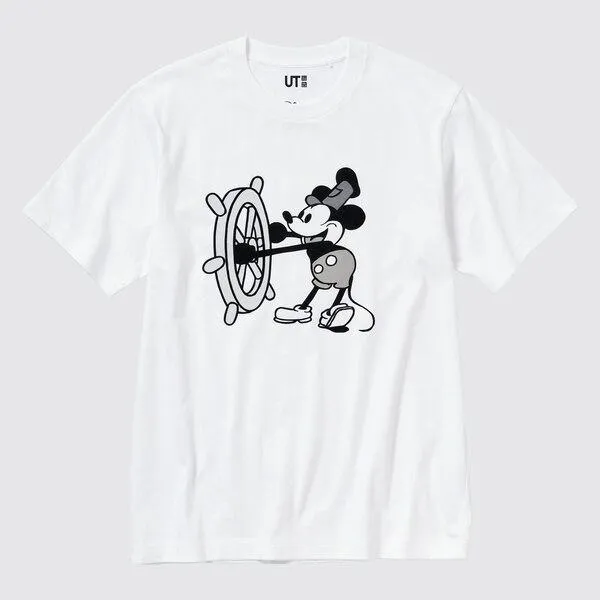
Pokémon has been around since 1996. Mickey Mouse—since 1928. Mickey, along with Minnie, made his debut on November 18, 1928, in the animated short *Steamboat Willie*.
Since then, the character has effectively become Disney’s flagship symbol. According to current aggregate estimates, the total revenue of the Mickey Mouse & Friends franchise amounts to approximately $61 billion, although different methodologies yield significantly higher figures.
For example, in an official report by the Japanese government—which uses the broader concept of “cumulative income” related to character IP—Mickey Mouse & Friends was already valued at $70.6 billion as of 2018.
The reason for such massive figures has nothing to do with box office receipts from animated films. Mickey is featured on clothing, toys, watches, stationery, home decor, and thousands of other products.
For Disney, this is an ideal model: a new blockbuster movie isn’t needed for the character to continue generating revenue.
“Winnie the Pooh” Turned a Children’s Book into a Tens-of-Billions Business
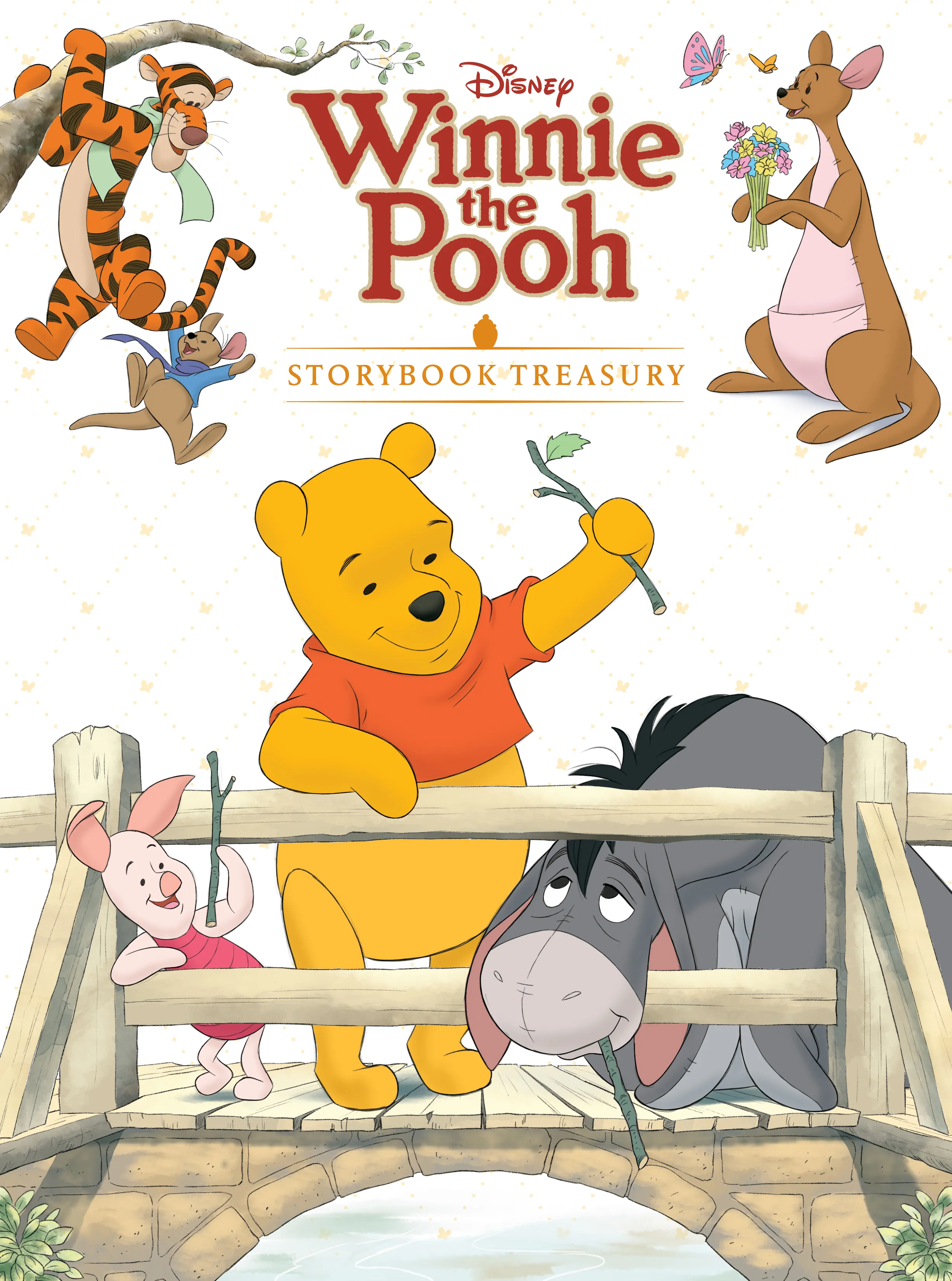
Winnie-the-Pooh may seem an even more unexpected presence at the top of the rankings. The character first appeared in A. A. Milne’s books back in the 1920s and later became one of Disney’s biggest children’s brands.
The first collection of Winnie-the-Pooh stories was published in 1926. At first, these were stories about Christopher Robin, Pooh Bear, Piglet, Tigger, and the other inhabitants of the Hundred Acre Wood. But over time, a much larger media ecosystem grew up around them—cartoons, TV series, books, games, theme parks, and a huge market for licensed merchandise.
It was Disney that transformed Milne’s characters into a global mass-market brand. In the second half of the 20th century, the company began actively adapting the stories about Pooh for the screen, and the character himself gradually became one of the most recognizable figures in Disney’s portfolio.
Current conservative estimates put the franchise’s value at approximately $50 billion. And once again, the reason isn’t massive box office receipts.
For decades, the main source of revenue has been licensed merchandise: plush toys, clothing, books, children’s items, bedding, tableware, school supplies, and home goods. In the case of “Winnie the Pooh,” the character itself has long been more important to the business than any specific cartoon.
This fundamentally distinguishes such children’s brands from many adult franchises. A viewer might watch a movie or TV series just once, but a children’s character can accompany a person every day—on clothing, toys, tableware, or a backpack.
It is children’s franchises that have a huge advantage in such rankings. They can sell hundreds of different products and, in a few years, attract a new generation of buyers.
Star Wars has long been more than just a movie
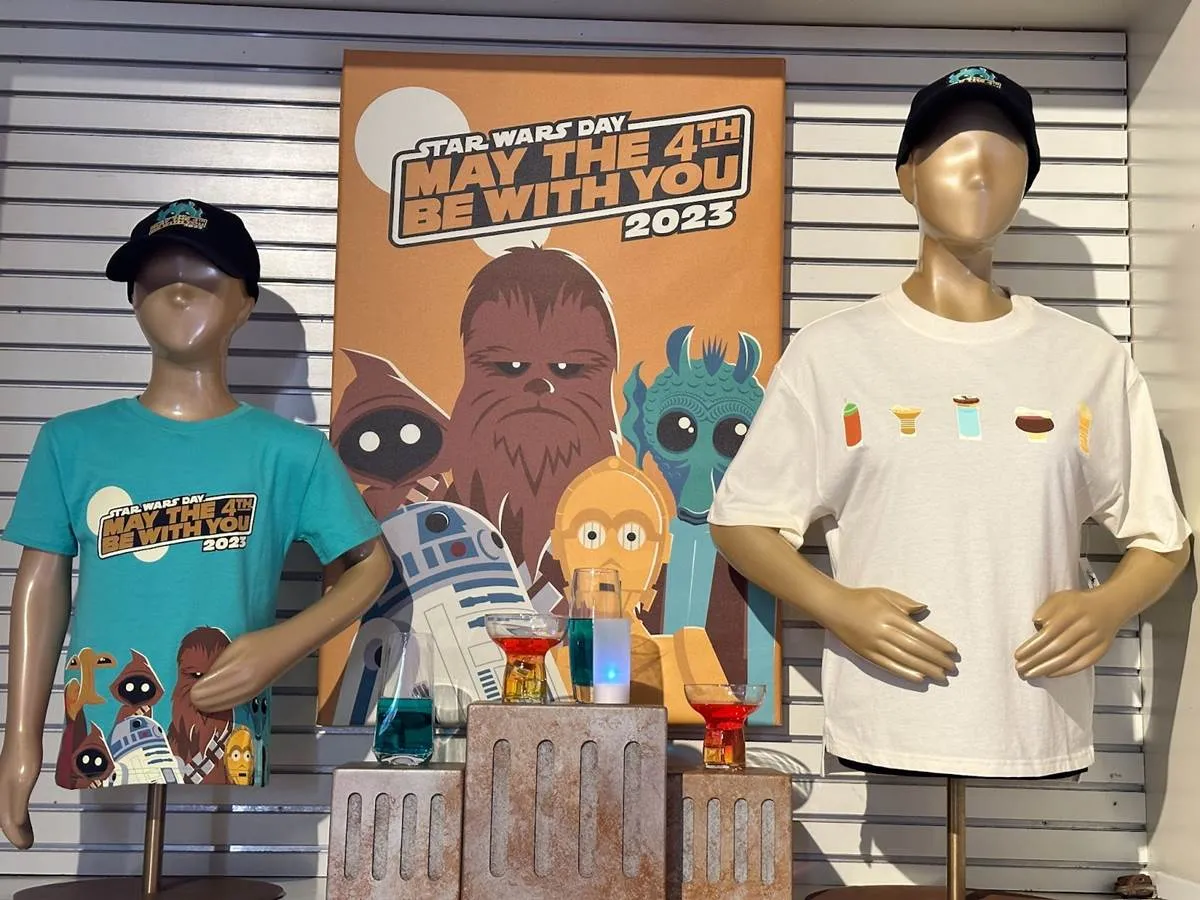
In 1977, audiences saw the first Star Wars movie. Today, it’s hard to even define exactly what this franchise is. It encompasses movies, TV series, animated series, books, comic books, dozens of video games, LEGO sets, collectible figures, clothing, themed attractions, and a massive market for licensed merchandise.
Current aggregated estimates put the franchise’s total revenue at approximately $46–47 billion, although broader historical methodologies have yielded significantly higher figures. It’s particularly telling just how much Disney was willing to pay for this intellectual property.
In 2012, the company acquired Lucasfilm for $4.05 billion. Moreover, Disney itself explicitly told investors that the valuation of Lucasfilm was based almost entirely on the potential of Star Wars. Three years later, *Star Wars: The Force Awakens* grossed over $2.068 billion at the global box office.
But even in the case of Star Wars, movies are only part of the business. Action figures, LEGO sets, lightsabers, video games, theme parks, and other products allow the franchise to generate revenue even in years when there is no new movie.
“Disney Princesses” have earned tens of billions without a single shared story
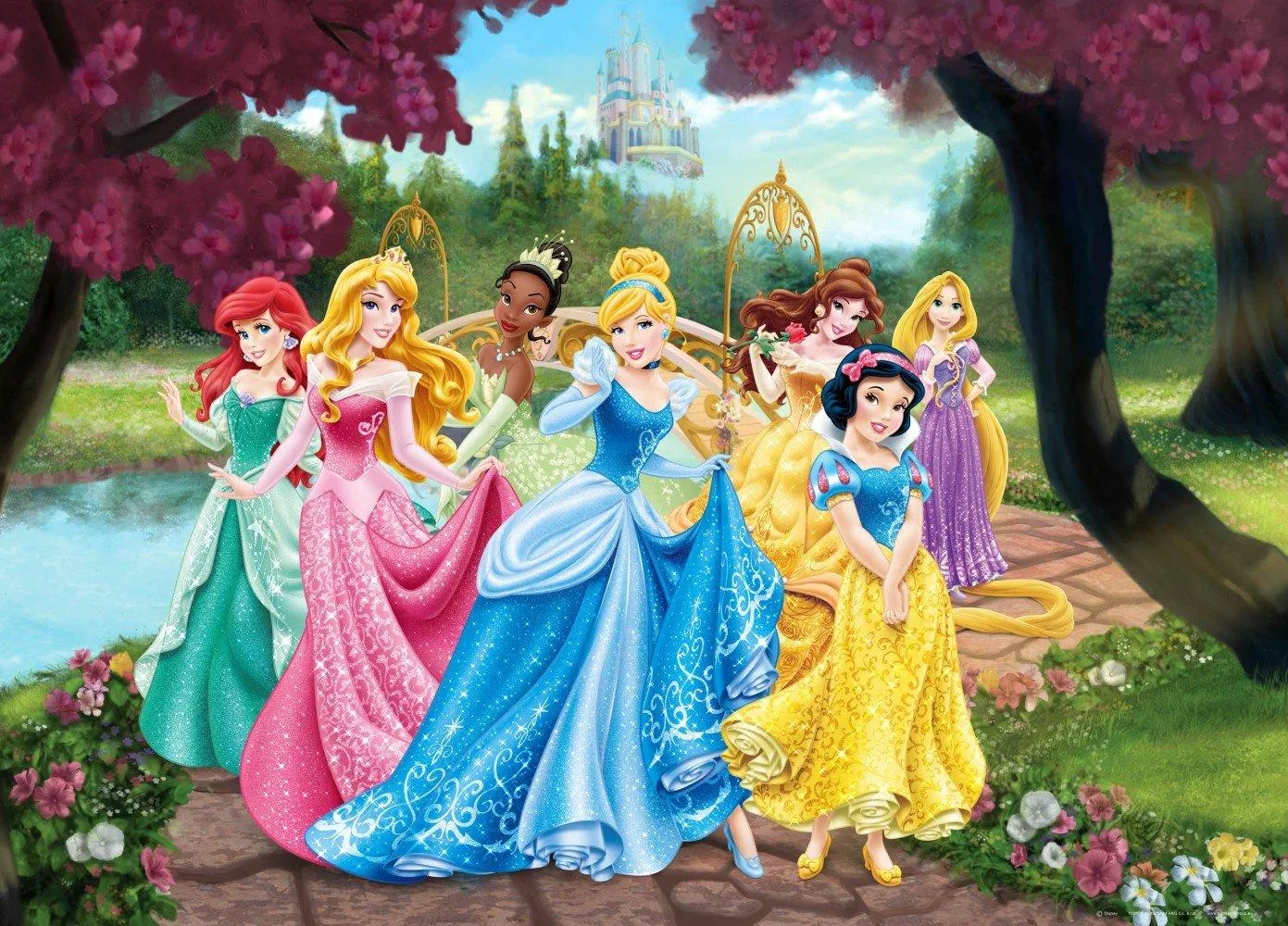
Disney Princess stands out from virtually every other entry on this list. This franchise has no single author, no single book, and no single movie that started it all.
Disney has united the heroines of various animated films under a single brand—Cinderella, Ariel, Snow White, Belle, Jasmine, Rapunzel, Tiana, Mulan, and others. As a result, characters who originally existed in their own separate stories have been transformed into one large merchandising ecosystem.
The Disney Princess brand itself emerged in the late 1990s and early 2000s as a distinct marketing concept. The idea was simple: rather than marketing each heroine solely within the context of her specific animated film, unite them under a single, recognizable brand. This allowed Disney to simultaneously promote dozens of characters and create products that weren’t tied to the release of a specific new film.
That is precisely why Disney Princess quickly expanded far beyond the world of cinema. Today, the brand encompasses dolls, costumes, clothing, jewelry, cosmetics, school supplies, books, games, bedding, home decor, and a vast array of other licensed products.
The total economic value of Disney Princess is estimated at approximately $45 billion. In a Japanese government study that compared the cumulative income of the largest character IPs, Disney Princess was also valued at approximately $45.2 billion as of 2018.
What makes this model unique is that Disney effectively created a new franchise after the characters themselves had already become popular. Cinderella, Snow White, and Ariel existed long before the unified Disney Princess brand emerged, but it was the unification of these heroines that allowed the company to market them not individually, but as part of a single, expansive universe.
This is particularly advantageous for licensing. If a child likes not just one specific princess but the very concept of a “Disney princess,” the company can sell them products featuring several characters at once, and manufacturers don’t have to build their marketing around a single cartoon.
Furthermore, this model works well across generations. Snow White first appeared on screen back in 1937, Cinderella in 1950, Ariel in 1989, and Rapunzel as recently as 2010. In other words, within a single brand, Disney simultaneously features characters that are remembered by several generations of viewers.
Anpanman: One of the World’s Largest Franchises, Yet Virtually Unknown to Many Europeans
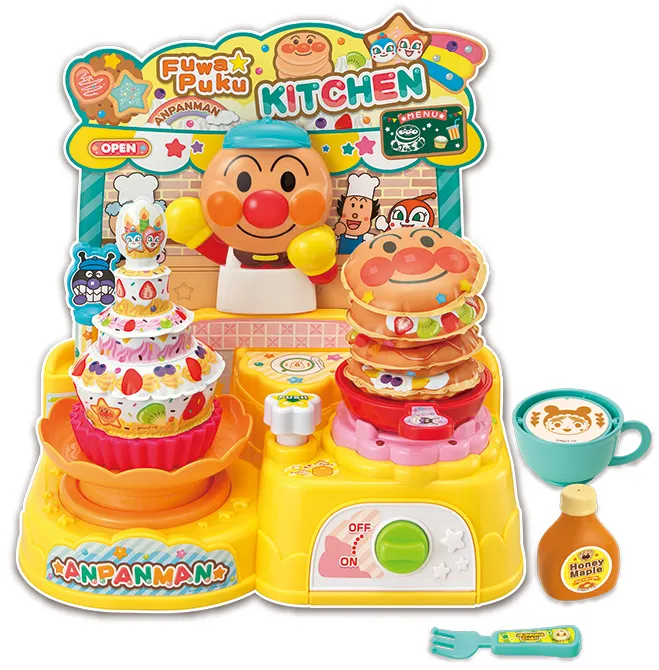
Anpanman is one of the most interesting examples of just how different a franchise’s popularity can be in different parts of the world. The character first appeared in Japan in the 1970s and later became the star of a TV series, movies, toys, clothing, and a vast array of children’s products.
In current conservative estimates, the franchise is valued at approximately $38 billion. However, broader historical calculations yield a much higher figure.
In an official Japanese government document, Anpanman ranks sixth among the world’s character franchises, with $60.3 billion in cumulative income as of 2018. In other words, the brand may be virtually unknown to some Ukrainian or European audiences—yet it has been generating tens of billions for decades in domestic and Asian markets.
Barbie started as a doll and then expanded into her own media universe
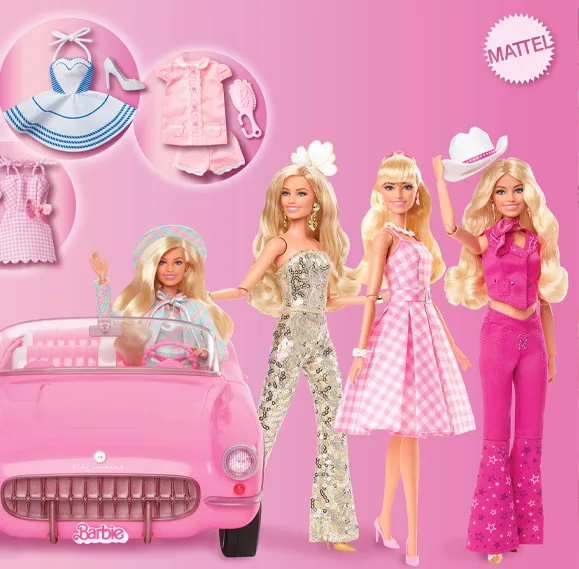
In the case of “Game of Thrones,” there was first the book, then the TV series, and only after that a massive market for merchandise. With Barbie, it happened almost the other way around. The doll was introduced in 1959, and for decades, toys remained the core of the business. Then, cartoons, books, video games, collaborations, and a feature film emerged around Barbie.
Current aggregate estimates place the franchise’s historical value at approximately $36 billion. At the same time, Barbie continues to generate massive revenue for Mattel today.
In 2025 alone, Barbie’s global gross billings totaled approximately $1.2 billion. The 2023 film also demonstrated an interesting shift in the business model: the brand, originally created to sell toys, has itself become the foundation of a major media franchise.
In other words, the franchise model can work both ways: a book spawns merchandise, and a toy spawns a movie.
Marvel has transformed dozens of superheroes into a single universe
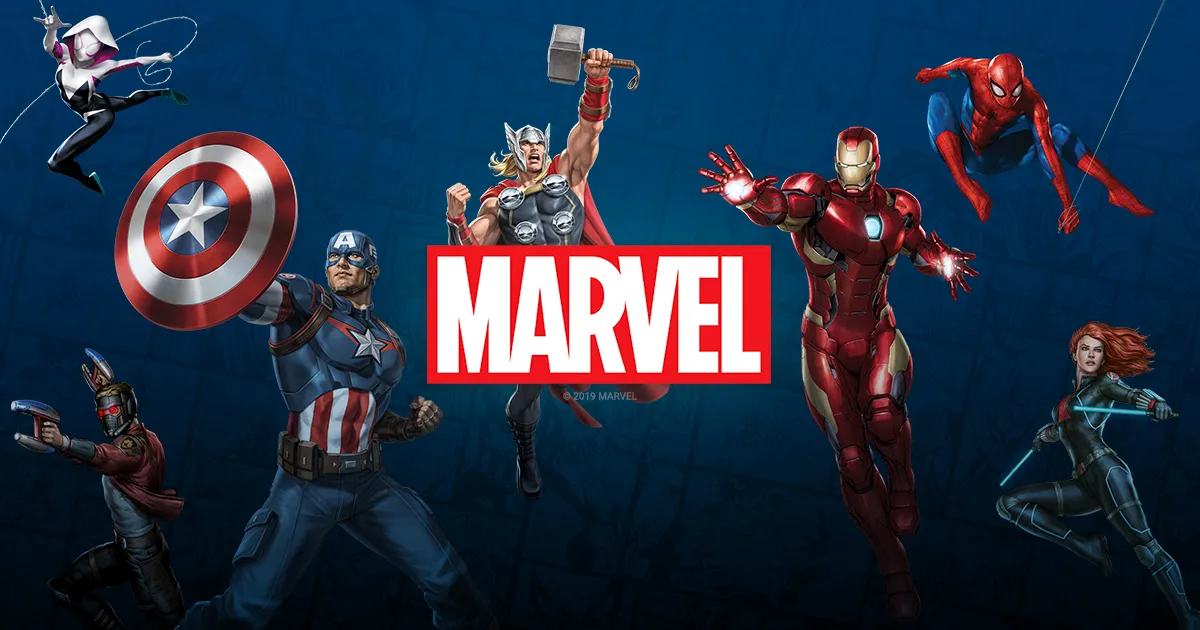
The Marvel Cinematic Universe is significantly younger than Mickey Mouse, Winnie-the-Pooh, or Star Wars. Marvel’s modern cinematic model is generally considered to have begun with 2008’s *Iron Man*.
In less than two decades, Marvel has managed to build a universe in which dozens of characters exist within a single cinematic world.
Iron Man, Captain America, Thor, the Avengers, and other heroes are no longer just individual stories. Each new film could simultaneously build on the previous ones and promote the next ones. Current estimates put the economic scale of the Marvel Cinematic Universe at approximately $35 billion.
In addition to box office revenue, there are TV series, video games, LEGO sets, action figures, apparel, theme parks, and licensed merchandise. It is the Marvel model that has become one of the main goals of modern Hollywood: studios want to create not just a single successful movie, but an entire universe in which they can constantly launch new products.
Harry Potter showed just how far a single book series can grow

Among the major franchises, Harry Potter is perhaps the closest in its original logic to George R.R. Martin’s story. It started with books by a single author. Then came large-scale film adaptations. And following the global success, an entire industry sprang up around the fictional world.
Current aggregated estimates value the Wizarding World at approximately $34–35 billion. The movies alone have generated colossal sums. As of November 2020, ten films—the eight Harry Potter installments and the first two Fantastic Beasts films—had grossed $9.216 billion at the global box office.
Add to that sales of books, games, LEGO sets, theater productions, theme parks, studio tours, and merchandise. And this business continues to expand: Warner Bros. Discovery explicitly stated in 2026 that it expects the new Harry Potter series to drive growth in demand for themed experiences and consumer products.
Hello Kitty has earned tens of billions with almost no plot
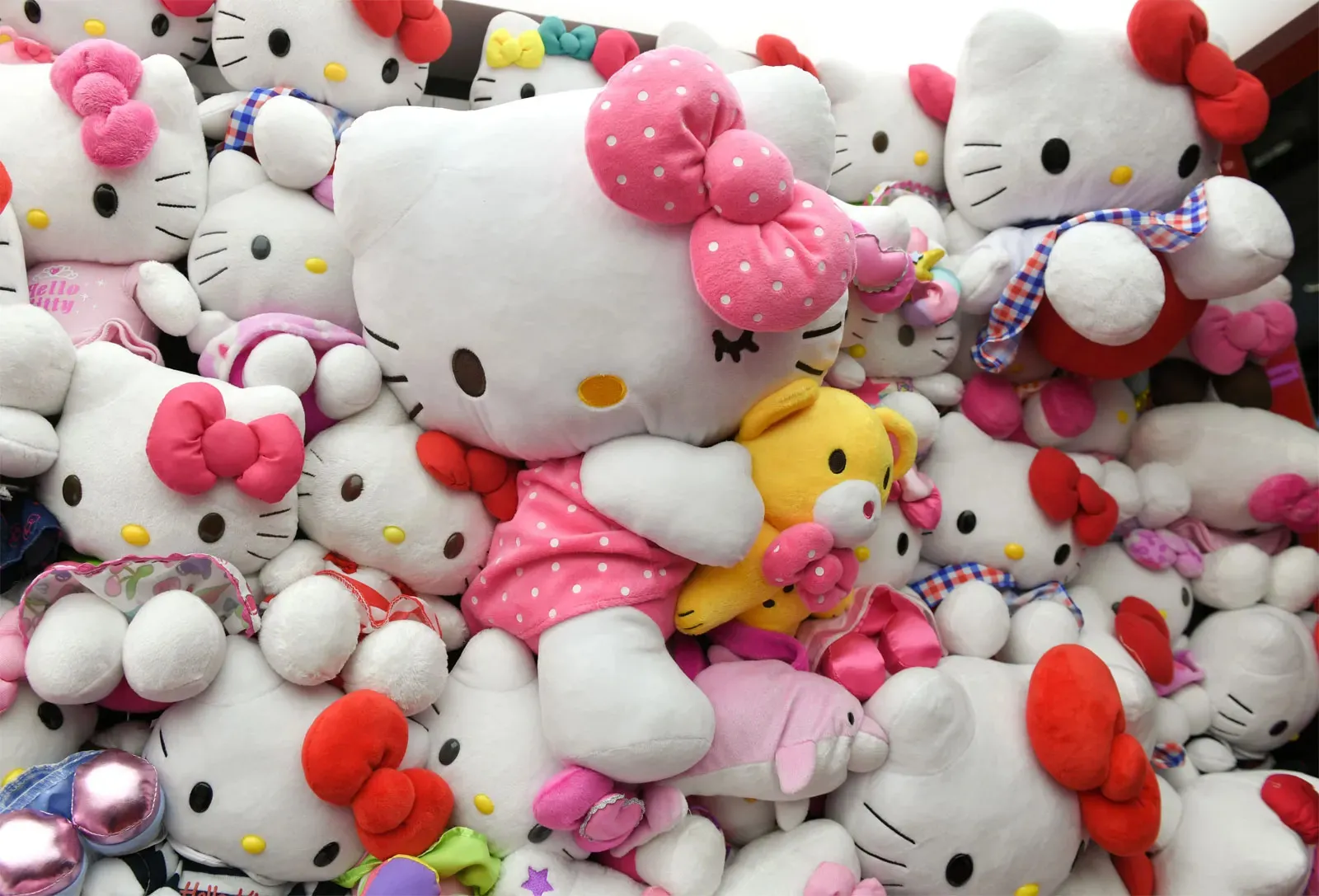
Hello Kitty shatters the notion that a major media franchise must have a grand narrative. Sanrio created the character in 1974, and the following year, Hello Kitty appeared on a small coin purse. Over time, her image began to appear on tens of thousands of different products. Sanrio reported that Hello Kitty was sold in 130 countries on more than 50,000 different branded products each year.
Current conservative estimates value the franchise at approximately $33–34 billion. But a broader methodology yields a completely different result. The Japanese government ranked Hello Kitty second in the global ranking of character IPs: by 2018, her cumulative income was estimated at $80 billion.
This does not mean that Sanrio directly earned $80 billion in net income. It refers to the aggregate economic impact of products centered around the character. But the example itself is telling.
Hello Kitty proves that sometimes a business worth tens of billions doesn’t even need a complex backstory. All it takes is a character that people have wanted to see on products for decades.
Compared to these giants, “Game of Thrones” is still significantly smaller—but its story isn’t over yet
If we compare the previous estimate of approximately $5.8 billion for *A Song of Ice and Fire* and *Game of Thrones* with the tens of billions generated by the largest global franchises, George R.R. Martin’s universe is still in a different financial league.
But that doesn’t mean “Game of Thrones” was any less successful as a television product. The franchise simply operates under a fundamentally different economic model.
Pokémon, Mickey Mouse, Winnie-the-Pooh, Disney Princess, or Hello Kitty can be marketed to children through a vast array of everyday merchandise. “Game of Thrones,” with its wars, political intrigue, violence, and adult content, will never have the same market for children’s toys.
That’s precisely why the biggest franchises—worth tens of billions—often generate revenue not from movies or TV series, but from merchandise. However, Westeros has another advantage—its story continues. In 2026, Warner Bros. Discovery is developing “House of the Dragon,” “Knight of the Seven Kingdoms,” and new games, and has already announced “Aegon’s Conquest” among its upcoming films.
So on September 20, George R.R. Martin’s birthday, his story can be viewed as more than just a literary phenomenon. In the 1990s, the writer created a fantasy novel. Three decades later, his world is generating revenue through books, television, streaming, video games, merchandise, and licensed products.


