
The strategic importance of the Persian Gulf in global fertiliser and gas exports
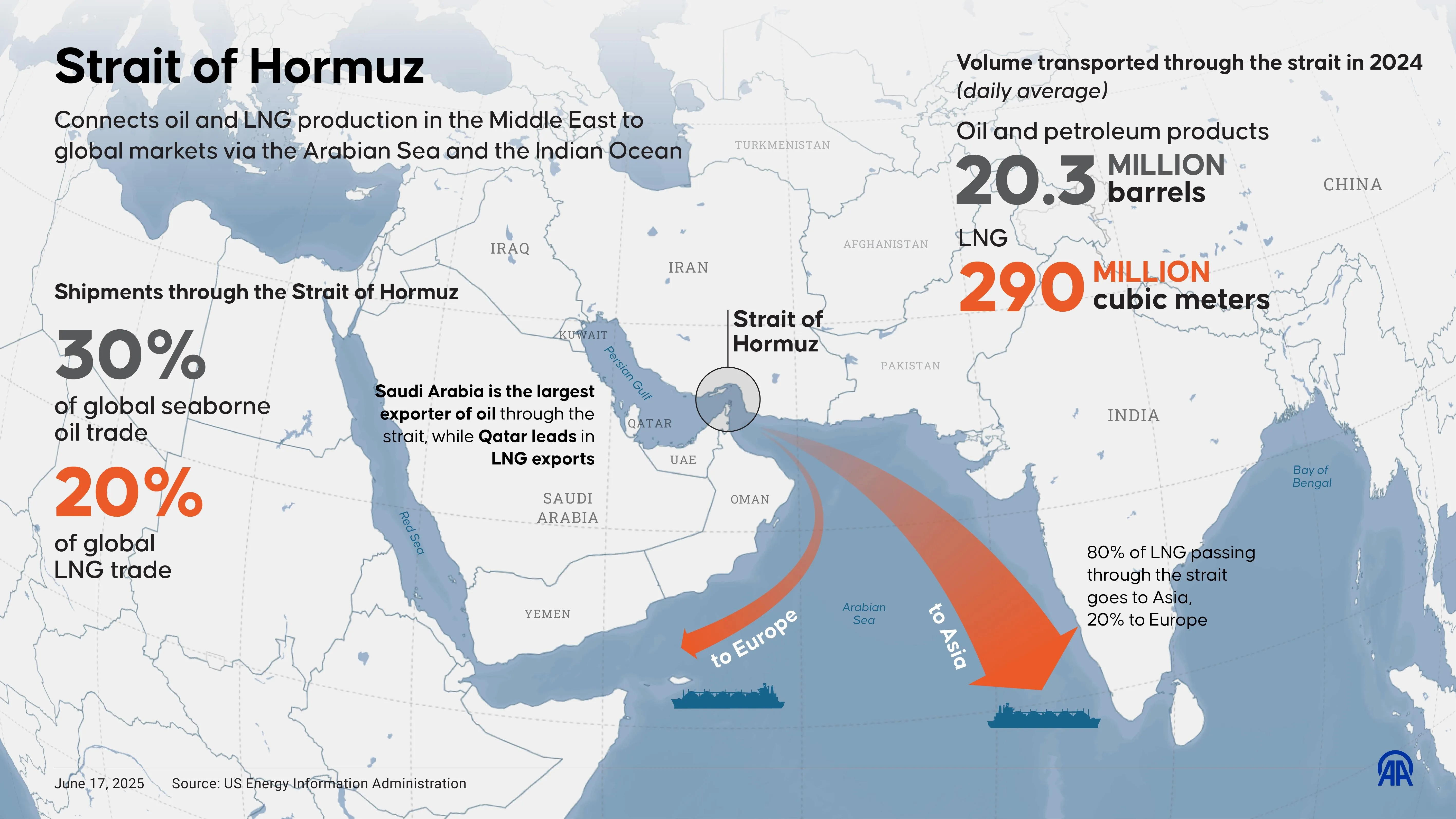
The Persian Gulf region plays a vital role in the global export of fertilisers and natural gas, holding significant shares of the world's nitrogen and phosphorus fertiliser supply as well as gas exports. Specifically, the region accounts for 38% of global nitrogen fertiliser exports (20 million tonnes annually), 20% of phosphorus fertilisers (6 million tonnes annually), and 10% of gas exports (131 billion cubic metres per year). This is crucial for global food security and energy markets.
According to a Sovcombank study, countries in the region vary in export volumes and port access in strategic straits. For instance, Iran exports around 5 million tonnes of fertilisers and 16 billion cubic metres of gas (primarily via pipelines), whereas Saudi Arabia supplies 9 million tonnes of nitrogen fertilisers and 4.5 million tonnes of gas. Kuwait and Qatar also contribute significantly to exports.
It is known that the closure of the Strait of Hormuz halted about 50% of the global fertiliser exports, threatening sowing campaigns and potentially triggering a food crisis in Europe and Asia. Consequently, nitrogen fertiliser prices have increased by approximately 30%.
The Persian Gulf has long been an important hub for transportation and trade, with regional countries having well-developed infrastructure for exporting raw materials and products. Their economies heavily depend on the export of energy resources and fertilisers.
Therefore, the stability of supplies through the Persian Gulf is critical for global food security and energy. Any disruption could lead to substantial economic and social challenges, especially for Europe and Asia. Infrastructure development and political stability remain key factors.
In the near future, we can expect increased focus on alternative routes and sources of fertilisers and energy, alongside stronger political control over strategic straits worldwide.


