
It has become clear why Polish cheese is replacing Ukrainian cheese on store shelves
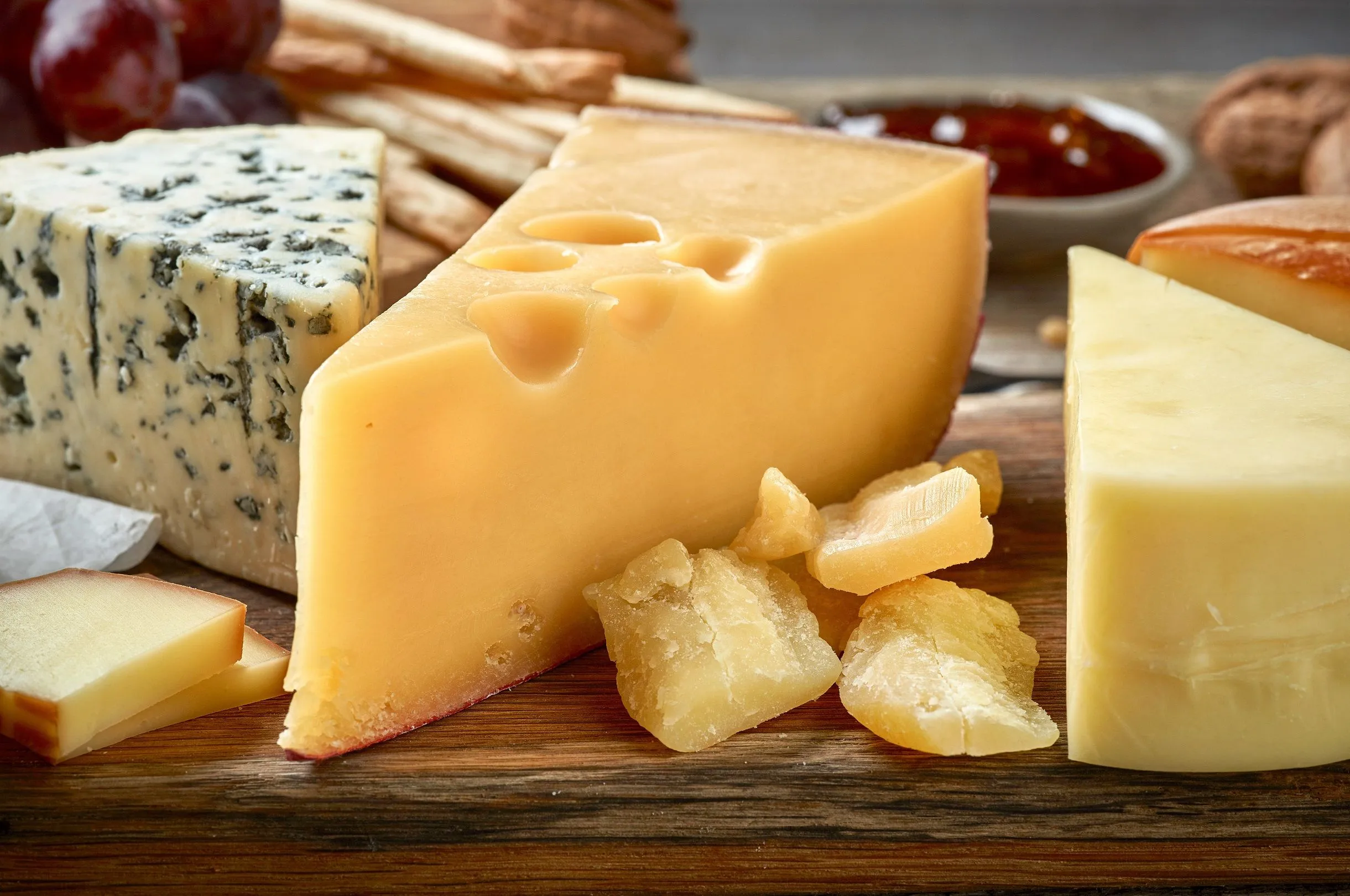
The Ukrainian market is seeing an increase in the share of Polish cheese, which is gradually displacing domestic products from store shelves. According to retail data, a kilogram of Polish cheese costs an average of about 3.6 euros, while Ukrainian cheese costs approximately 4.6 euros. At the same time, experts note that demand is influenced not only by price factors but also by supply stability and marketing.
In the first five months of 2026, Ukraine sharply increased its imports of dairy products. The largest increases were in shipments of whey, butter, and cheese, a significant portion of which comes from Poland.
By the end of 2025, Polish dairy exports reached €3.9 billion, placing the country third in the EU behind Germany and the Netherlands.
Aged cheeses, yogurts, and sour milk products are imported into Ukraine from across the border. Over the past 20 years, Poland’s share of Ukraine’s dairy imports, measured in thousands of tons, has risen from 3% to 46%.
Polish processing plants underwent large-scale modernization funded by EU grant programs—estimated at between 1 and 2 billion euros. While their neighbors were switching to new equipment almost for free, Ukrainian companies took out loans at market rates of up to 18%.
Thanks to the upgrades, Polish dairy plants are capable of processing 1,500 tons of raw milk per day, while Ukrainian plants average 500 tons. As a result, they have a surplus of production.
This trend coincided with the war, causing Ukraine to lose 10 million consumers. Those who remained became highly price-sensitive. All of this is contributing to a decline in domestic demand.
Starting in 2022, pastures and livestock numbers are shrinking, creating a raw milk shortage. By 2026, purchase prices for raw milk had fallen to levels at which most small and medium-sized farms were operating at a loss.
“The purchase price for milk in Ukraine is 13.50–14.50 UAH/liter. In Poland, the spot price is even lower—11–12 UAH/liter in Ukrainian terms,” explains Arsen Didur, executive director of the Ukrainian Dairy Industry Association, in a comment to RBC-Ukraine.
But Polish processors still come out ahead, gaining an advantage in export operations. The explanation is simple: in the EU, spot transactions account for up to 10% of the market. In Ukraine, the spot market accounts for 100%.
The result is visible on the store shelves: the price difference between Polish and Ukrainian cheese is 22%. As a result, the price of the domestic product is 1 euro or more per kilogram higher.
For example, Polmlek’s aged hard cheese “Gouda Fiko and Friends” (43% fat) made from cow’s milk costs 853.33 UAH/kg at the Silpo chain, while the Ukrainian hard and semi-hard “Komo” “Golder” 45% in 150-gram portions—at the same weight—costs 949 UAH/kg.
Daryna Palaguta, Director of the Fresh Product Category Management Department at the VARUS chain, told RBC-Ukraine that imported products are supplied with clearly predictable characteristics: in particular, the cheeses arrive with consistent taste properties.
Therefore, for the buyer, a low price combined with familiar baseline quality becomes a decisive argument in favor of imported goods. At the same time, domestic products are in no way inferior to Polish ones.
The structural imbalance persists: Ukraine exports cheap raw materials—casein, dry milk, butter—and imports expensive, highly processed finished products in return.
The Poles transform byproducts of cheese production into whey protein concentrates for sports and infant nutrition. This is a segment with higher margins. But it is not yet a Ukrainian specialty.
The crisis in the dairy market cannot be explained solely by aggressive Polish imports or the weakness of domestic producers.
It is a systemic failure:
- the lack of long-term contracts,
- unequal access to financing,
- the loss of 10 million consumers,
- and the blocking of foreign markets.
Together, these factors create an environment in which even a high-quality Ukrainian brand loses out on price, as there is a lack of a level playing field.
“The battle for foreign markets has long ceased to be a competition between brands. Today, it is a contest of government models for business support,” notes the director of the SMU.
Without a transition to long-term contracts, deep processing, strengthened trade diplomacy, and the restoration of an effective Ministry of Agriculture, there is no point in talking about bright prospects.
“The question is no longer whether imports will increase. The question is this: can Ukraine transform itself from a supplier of cheap raw materials into an exporter of high-value-added products?” Arsen Didur concludes.
The answer to this question will determine whose products will be on Ukrainian shelves ten years from now.
Source: RBC-Ukraine.
Read also:
Customs authorities uncover scheme to import iPhones disguised as agricultural equipment
Customs detained 200 packages addressed to non-existent recipients


