
In Australia, Coalition proposes simplifying housing building standards
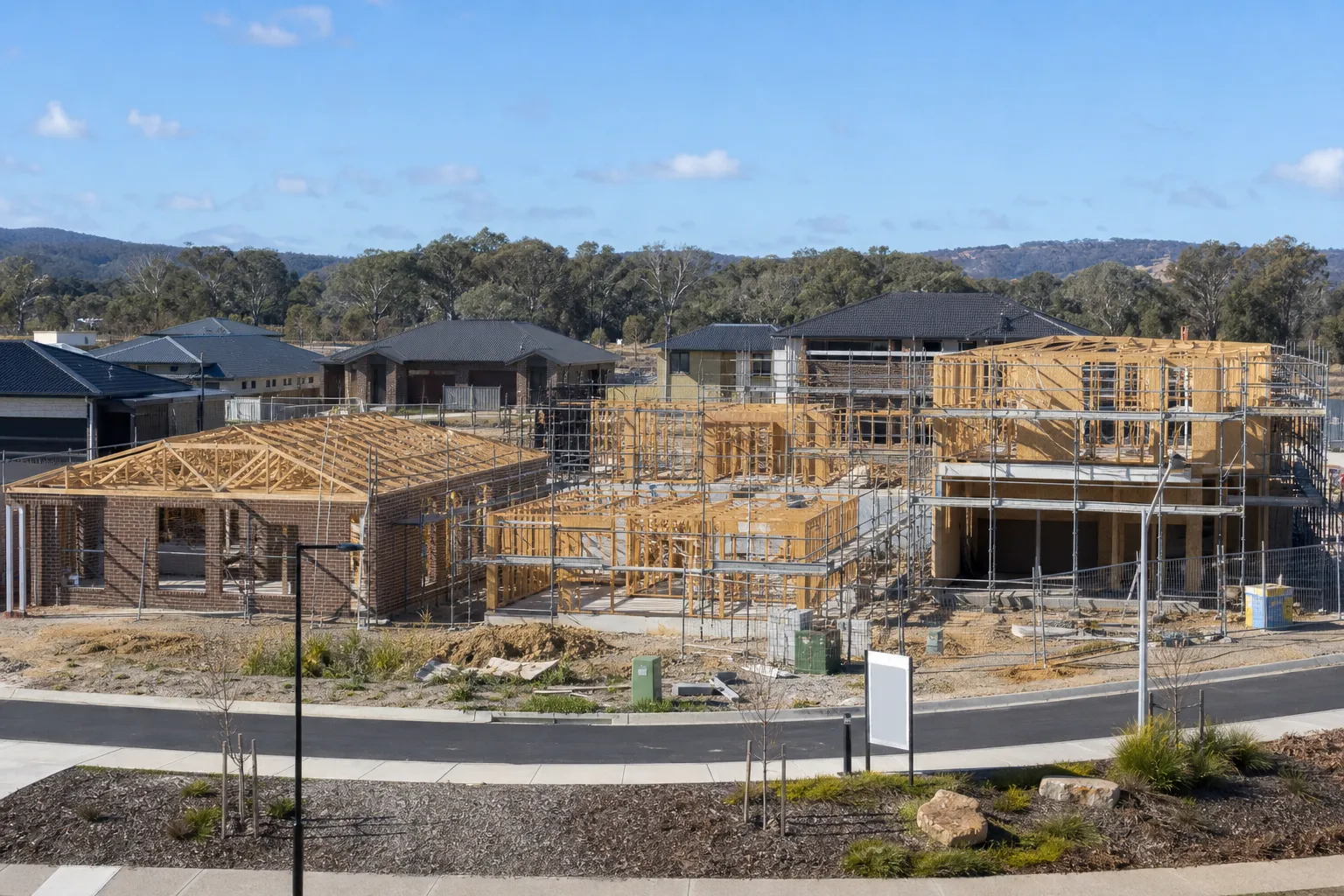
In Australia, the opposition Coalition is proposing to significantly simplify the National Construction Code to speed up housing construction. Opposition leader Angus Taylor called for the removal of bureaucratic barriers and said that not all Australians need to live in “woke palaces,” ABC News Australia reports.
Shadow housing minister Andrew Bragg proposes creating a mandatory 80–90-page building standard modelled on New Zealand’s experience. The current National Construction Code runs to 2,200 pages. According to an interim report by the Senate productivity committee chaired by Bragg, the mandatory core of the standard should cover structural integrity, fire safety, waterproofing and moisture protection, lighting, sanitation, and safe water supply.
Energy efficiency and accessibility
Under Bragg’s plan, additional energy-efficiency and accessibility requirements could be optional. This includes double glazing, insulation, ramps, wider corridors, and reinforced walls for mounting handrails. The senator insisted that such homes would not be substandard but would be strong, safe, and fit for habitation. He compared them to a basic first car rather than a luxury Lamborghini.
More current news is available on the UA.News Telegram channel Telegram.
Housing Industry Association representative Simon Croft said that a simpler code could speed up construction, reduce costs, and help more people buy their first home. Master Builders Australia also supported the idea of focusing the code on key safety and performance requirements, leaving the choice of additional options dependent on needs and budget.
Critics’ warnings
Australian Institute of Architects president David Wagner supported simplifying the code but warned against cutting it drastically. In his view, minimum standards should be strengthened rather than weakened, since energy efficiency can determine whether a person with a low income can afford heating in winter.
Cassandra Goldie of the Australian Council of Social Service said that optional energy-efficiency standards could mean higher electricity bills for decades, while insufficient housing accessibility would create risks for older people and people with disabilities. Grattan Institute senior associate Matthew Bowes noted that the absence of energy-efficiency and accessibility requirements could affect a property’s resale value. At the same time, he said that the balance between demand and supply is most important for housing prices, while significant regulatory barriers arise at the state and local government levels due to restrictions on dense urban development.


