
Hotels in Asia are turning their restaurants into a reason to travel in their own right
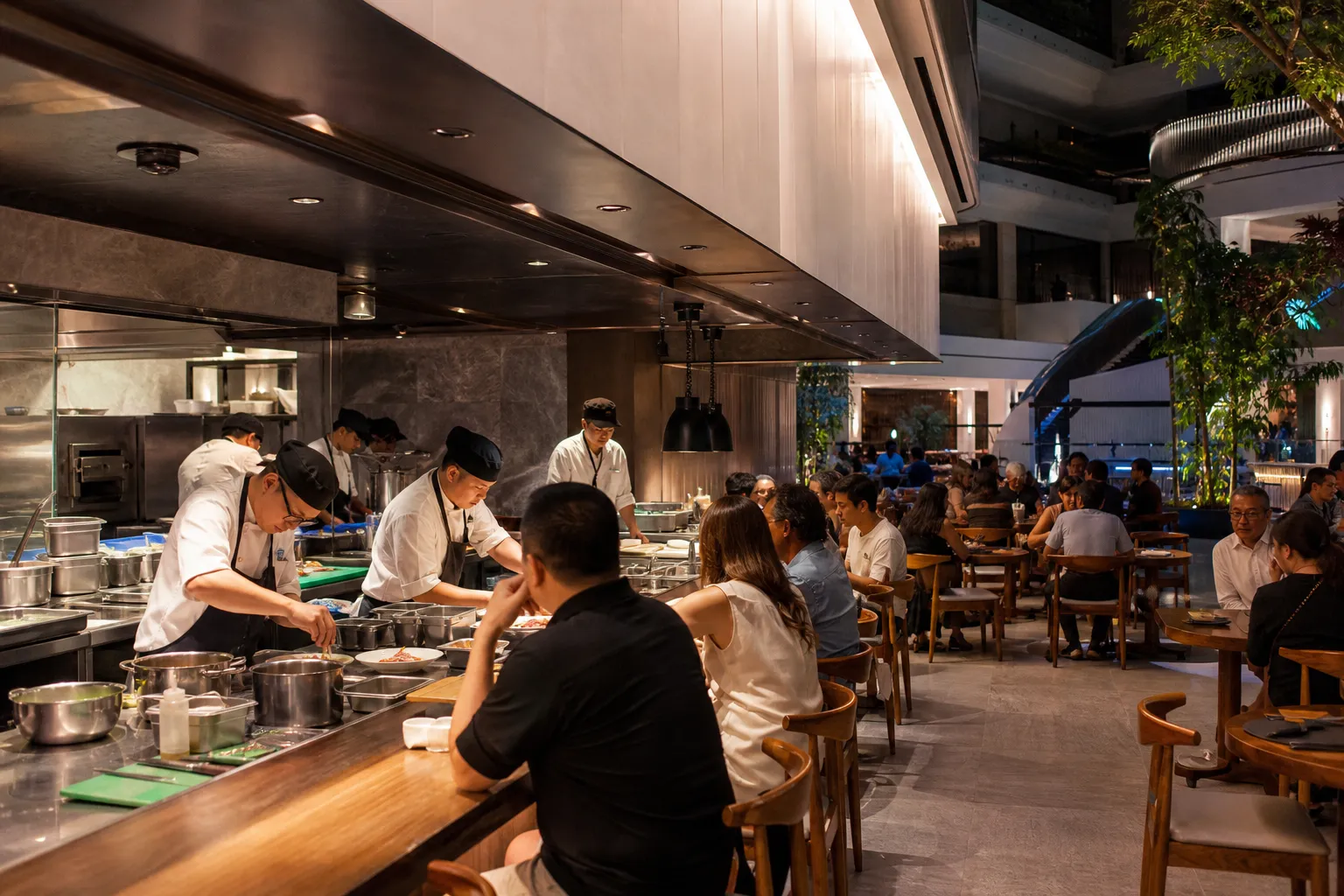
Luxury hotels in Asia are increasingly developing their restaurants as distinct culinary concepts, focusing on local ingredients, regional dishes, renowned chefs, and interactive dining experiences. These establishments aim to attract not only travelers but also local guests, according to Channel NewsAsia.
According to a joint study by BurdaLuxury, GMO-Z.com Research, and Vero, the global fine dining sector was valued at $166.86 billion in 2024. By 2030, it could grow to $243.14 billion at a compound annual growth rate of 6.54%. The authors identified Southeast Asia as one of the markets where attitudes toward luxury travel and dining are changing.
In a Marriott International report on dining trends in the Asia-Pacific region, 59% of guests said they prefer a casual setting over a formal one, and 53% choose à la carte dishes over traditional set menus. Sixty-four percent of respondents seek vegetarian options, and 63% look for vegan options. Seventy-five percent of guests are interested in the origin of ingredients, and 58% are interested in sustainable practices.
At the InterContinental Halong Bay Resort in Vietnam, dishes feature chicken from Tien Yen, grouper from Van Don, black tiger shrimp from Halong, and crab from Dam Ha. Ingredients from Quang Ninh Province and neighboring regions are used in pasta, pizza, burgers, and dishes featuring spicy and fermented sauces.
For more breaking news, follow the UA.News Telegram channel.
Chains are also updating their breakfast and brunch menus. Conrad Manila offers silog—garlic rice with an egg—and taho made with silky tofu and sweet sago pearls. Conrad Jiuzhaigou serves local black truffles, yak brisket noodle soup, yak yogurt, and tsampa—a Tibetan porridge made from roasted, ground barley.
The Sukhothai Bangkok revamped its Sunday brunch after discovering that guests preferred freshly prepared dishes, more interaction with chefs, lighter and more plant-based options, and smaller portions. Following the revamp, the restaurant now features more stations where dishes are prepared in front of guests, and the selection of seafood and grilled dishes has been expanded.
Hotels are also bringing in renowned chefs and reimagining long-standing restaurant concepts. At the Grand Hyatt Singapore, the Italian trattoria Pete’s Place, which has been in operation since 1973, has revised its carbonara recipe to bring it closer to the Roman version featuring guanciale and pecorino. At Raffles Singapore, Taiwanese chef Andre Chiang has opened 1887 by Andre, where guests are offered approximately 60 à la carte items instead of a fixed tasting menu.
Marriott International’s vice president of food and beverage for the Asia-Pacific region, excluding China, Petr Raba noted that guests are increasingly seeking not just a meal, but also a story, a sense of place, and a connection to culinary craftsmanship.


