
Tiny tourism proposed as an answer to overtourism — The National
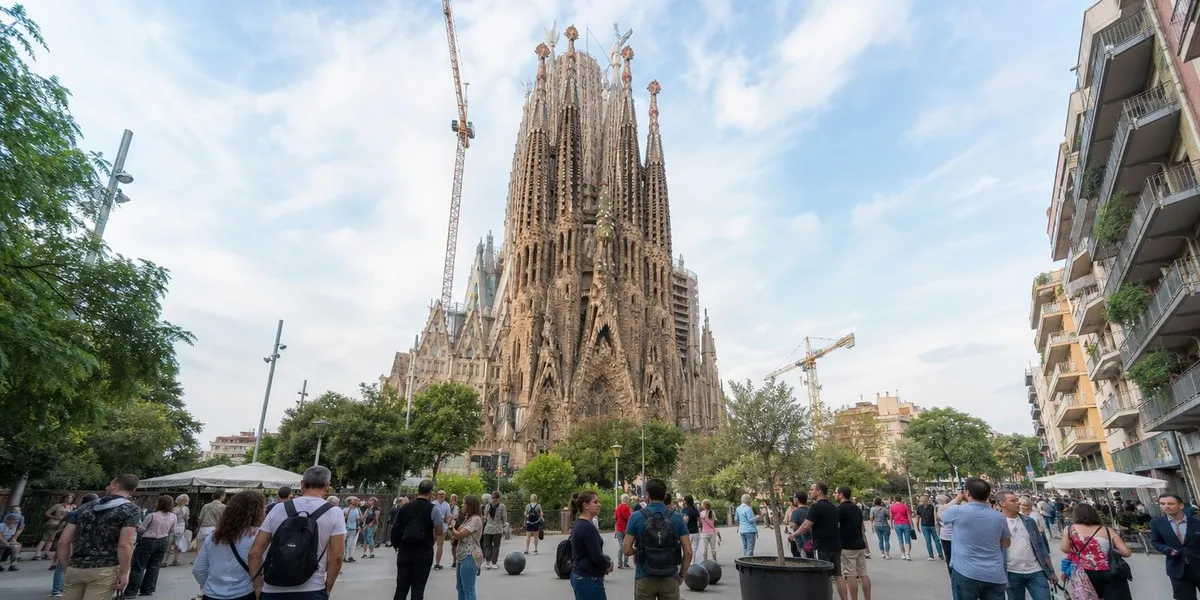
In Barcelona, Spain, against the backdrop of protests against overtourism, the tiny tourism approach is being discussed — travelling along less popular routes, visiting local establishments and neighbourhoods outside the main tourist centres. At the beginning of the month, thousands of people took to the city’s streets with placards against the large influx of tourists; similar demonstrations were also held in Mallorca and Ibiza, The National reports.
Protest participants say that the summer influx of visitors worsens local residents’ quality of life because of traffic congestion, pollution and pressure on the housing market. According to them, rental properties are being converted into short-term accommodation through Airbnb.
Causes of overtourism
Omar Al-Shunnar, owner of the travel company Beyond With You, links overtourism to cheap air travel, cruises, the growth of short-term rentals, the popularity of locations on social media and insufficient regulation by local authorities. In his view, the problem is not only the number of tourists, but also the fact that they visit the same places at the same time, follow similar routes and choose the same activities.
Murmuration, a company that uses satellite data to assess tourism’s environmental impact, said that 80% of travellers visit only 10% of the world’s tourist destinations. According to the UN World Tourism Organization’s Tourism Towards 2030 report, the number of international tourist arrivals will reach 1.8 billion by 2030.
More current news is available on the UA.News Telegram channel Telegram.
What tiny tourism involves
The term tiny tourism was introduced this year by the British creative platform It’s Nice That. It means moving away from focusing exclusively on the best-known cities, landmarks and tourist spots in favour of less popular destinations and experiences outside large crowds, which may support communities that previously received fewer benefits from tourism.
Shrey Nayar, head of aviation business and marketing solutions at Trip.com in the Middle East and India, said that visiting areas outside tourist centres gives travellers a fuller understanding of a place. This approach can spread tourist spending beyond capitals and popular destinations and reduce pressure on infrastructure, nature and historical sites.
How to travel more responsibly
Supporters of tiny tourism do not call for completely abandoning landmark attractions such as the Sagrada Família, the Eiffel Tower or the Taj Mahal. Nayar advises planning visits in advance, following local recommendations, choosing off-peak periods where possible and spending time and money outside the busiest tourist areas.
Practical steps include visiting local cafés and restaurants instead of chain establishments, travelling outside the season and choosing a trip based on a specific interest: cuisine, music, sport, nature or a local event. At the same time, Al-Shunnar warned that the constant search for new “hidden gems” driven by social media can quickly turn quiet places into new overcrowded destinations.




