
Andriy Pyshnyy was unable and unwilling to become an independent central banker: economist Boris Kushniruk
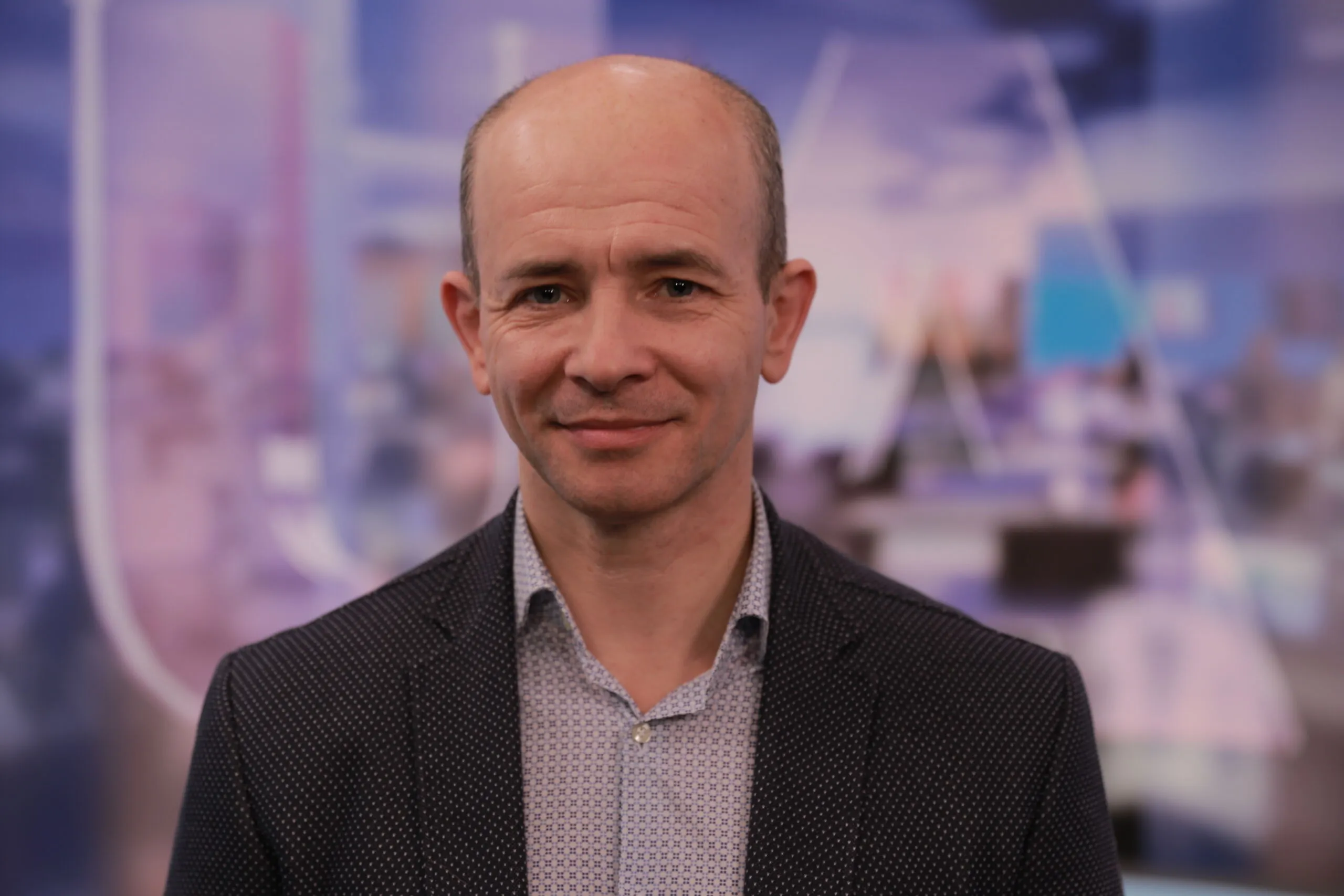
Due to a lack of relevant knowledge and understanding, Andriy Pyshnyy was unable to ensure the effective functioning of the National Bank.
At the same time, he was unable and unwilling to become an independent central banker.
It is said that the head of the NBU may not be a professional central banker, but instead acts like a true politician. However, the ability to switch sides at the right moment has nothing to do with high politics—it is mere opportunism, which forms the basis of his activities. He easily betrayed Yatsenyuk’s former team and went to work for the current government. Right now, we are witnessing a true masterclass in political survival from Andriy Hryhorovych: save yourself at any cost, renounce your former allegiances in time, switch sides mid-flight, find a new “roof,” and call it “defending the NBU’s independence.”
As long as Yermak was looming over the regulator’s head, the National Bank’s autonomy didn’t concern him much. Neither calls from Bankova nor Vasyl Veselyi’s numerous visits to Instytutska (particularly in 2026) which Mykhailo Tkach mentioned in a conversation with Yaroslav Zheleznyak and which are an “open secret” in banking circles.
Back then, everything seemed simple: a magical time of complete lawlessness. Yermak’s monopoly on power seemed boundless, and thus the magic of influence wielded by his godfather and one of his closest friends was all-powerful—far more significant than the formal powers of the NBU governor. It was possible to pressure commercial entities, resolve personnel issues, punish the disobedient, and welcome “overseers” within the institution’s walls.
But as soon as the “roof” began to leak, Andriy Pyshnyy suddenly remembered the regulator’s independence.
The truth is obvious: he never defended the National Bank’s independence; instead, he allowed Yermak’s people to interfere in its processes, something the public has heard about time and again. The phrase “call Pyshnyy” is a verdict on the leadership of the current NBU head. And excuses like “no, it wasn’t me” or “they didn’t call me” don’t work here.
Now Andriy Grygorovych is distancing himself from his former patron. He claims they haven’t spoken in a long time: even before the resignation, long before it, almost never. It’s good that at least he doesn’t deny the fact that they ever met.
A classic of the genre. Yesterday—political cover and a guarantee of immunity; today—“I don’t know, I didn’t see, I don’t have contact.”
However, the problem for the current head of the NBU is that the new political players who have replaced the former favorites can also see right through people. They don’t see him as an independent top manager, but as a toxic opportunist who has already abandoned his former allies once, then relied on another patron, and is now frantically searching for new protectors.
Such figures are dangerous even to those who temporarily take them under their wing, because tomorrow they will just as easily renounce their new patrons.
Therefore, Andriy Pyshnyy’s resignation is no longer a matter of political aesthetics. It is a necessity to rid the National Bank of a person who is incapable of effectively managing the key economic regulator and has turned institutional independence into a personal indulgence.
And this is by no means an attack on the NBU, as its head is desperately trying to portray it. On the contrary, it is an attempt to save the regulator—and, indeed, the country’s financial system as a whole. Because when individuals with informal influence have been walking the halls of the institution for years, when the public sector becomes the subject of backroom deals, when personnel selection at state-owned banks is decided over the phone by dubious “fixers,” and the head of the National Bank pretends that everything is fine—that is not independence. It is complicity in the destruction of the institution.
Mr. Pyshnyy may continue to try to change the narrative by talking about stress tests, inflationary shocks, and financial stability. However, after the scandals involving “Midas,” “SENS Bank,” and Veselyi, his main test has already been failed.
The magic is over. The “roof” is leaking. His dismissal seems logical and inevitable. As for the criminal cases—this is not political pressure on the National Bank, but the natural consequences of management allowing outsiders to intrude for too long into an arena where the law alone should reign.
Boris Kushniruk


