
Badminton faces threat of disappearance due to shortage of quality feather shuttles
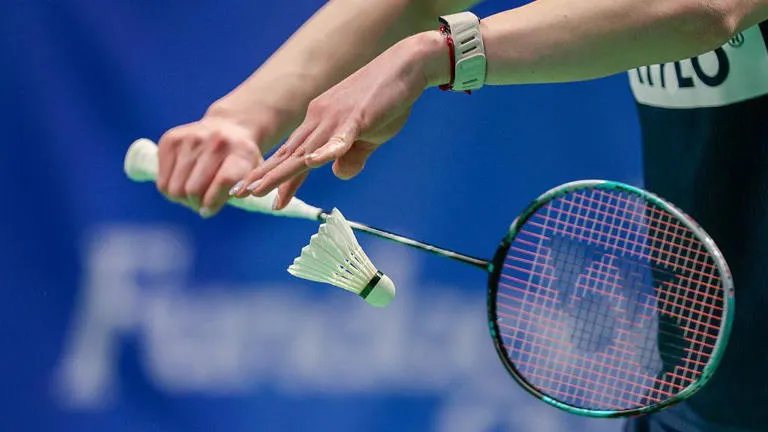
The sport of badminton is in crisis because of a shortage of professional feather shuttles, predominantly manufactured in China, where there is currently a lack of raw materials—goose and duck feathers. This situation is a consequence of decreased poultry populations caused by avian flu and changes in agriculture and consumption, significantly impacting the availability and quality of materials for shuttle production.
The Badminton World Federation has already permitted the use of plastic shuttles in some tournaments, although it was previously strictly prohibited. This fundamentally changes the nature of the game: feather shuttles provide a stable, predictable trajectory and rapidly lose speed, defining the professional style of play. In contrast, plastic shuttles are stiffer, stay airborne longer, and respond less effectively to hits.
The shuttle shortage poses a serious challenge to professional badminton, as the change in material affects not only player tactics but also the overall perception of the sport.
The Badminton World Federation is the international governing body that regulates badminton rules, organizes world tournaments, and works on the global development of the sport.
Therefore, the reduced resources for producing quality feather shuttles threaten the traditional form and technical standards of professional badminton, requiring new solutions in the near future.
It is likely that the development and adaptation of plastic shuttles will become an integral part of badminton, necessitating a revision of rules and approaches to training and competition.


