
What You Need to Know About SPF Protection: A Leading Cosmetic Dermatologist at Kyiv’s LEO BEAUTY CLUB Explains
Is it true that you only need SPF in the summer at the beach? Is there a real difference between SPF 30 and SPF 50? Which cosmetic procedures are best postponed until fall? And how do you choose and use SPF correctly so that it reliably protects your skin from photoaging, pigmentation, and even melanoma?
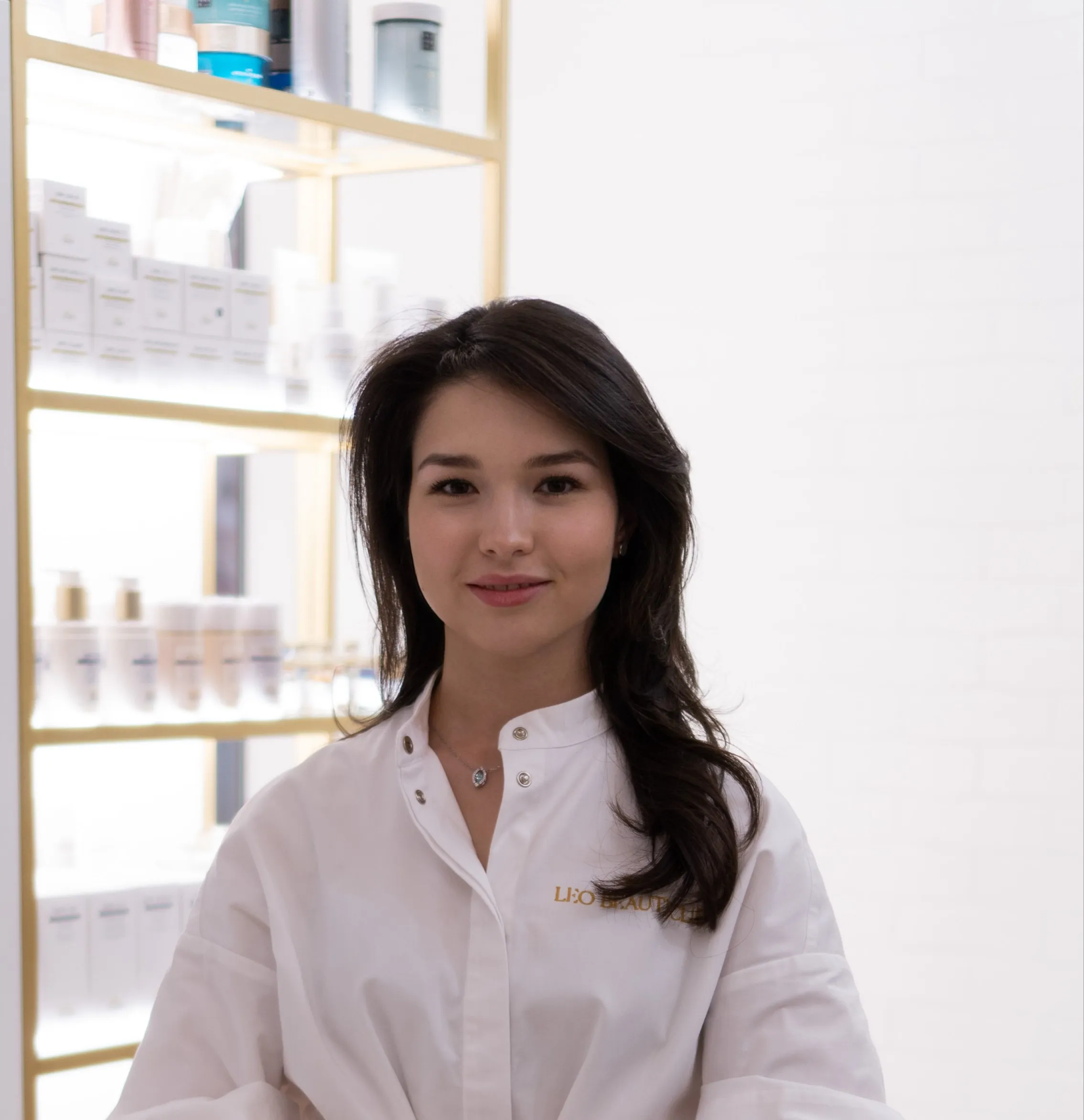
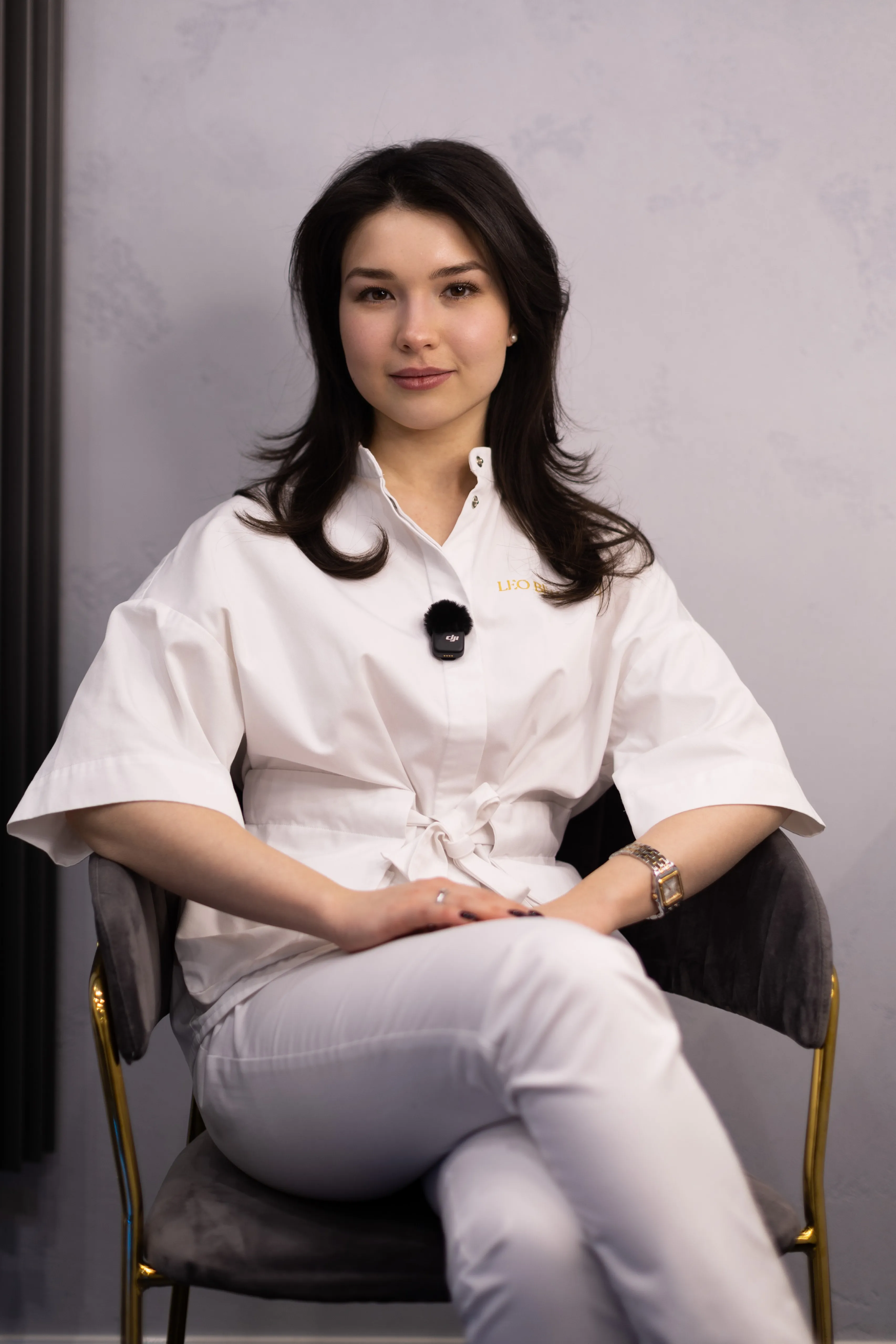
Fatima Abdulhairova, a leading cosmetic doctor at LEO BEAUTY CLUB in Kyiv, shared all the ins and outs of using sunscreen and how to choose the right one with UA.News.
Sunscreen: Debunking the Myths
There are quite a few common myths about SPF. For example, some say you only need it at the beach, and you can get by without it in the city. Or that sunscreen is only effective in the summer, and optional during other seasons.
But it’s important to remember that solar radiation is present during the day all year round. You can use the “Weather” app on your phone to check the UV index, which shows the current level of ultraviolet radiation. If the UV index is three or higher, you should apply SPF protection.
It’s important to note that SPF products not only protect against photoaging and photodamage but also against skin cancer and melanoma. There is a direct link between the development of this malignant condition and exposure to sunlight. This is especially important for those with a family history of skin cancer. This is a compelling reason to use SPF regularly throughout the year.
Common Mistakes When Using SPF
One of the most common mistakes is applying sunscreen irregularly.
Another mistake primarily affects women who have melasma or other pigmented spots associated with increased melanocyte activity, which is usually caused by hormonal fluctuations. In such cases, SPF products should be used to protect not only the face and neck, but the entire body. This is important because melanocytes—the cells that produce pigment—are found throughout the body, and therefore all of our skin is exposed to ultraviolet radiation.
Sometimes a woman complains: “While on vacation, I always wore a hat and used SPF protection, but my pigmentation or melasma has flared up again.” This is because the melanocytes on her legs were exposed to intense UV radiation. For example, a woman’s legs got tanned, but the pigmentation appeared on her face. The thinnest spots are the ones that break first. This is a very common situation.
The next mistake is applying an insufficient amount of SPF protection. Usually, this is caused by using the wrong product, which feels uncomfortable. It might be greasy or have an unpleasant scent. In such cases, people try to use less of it or “stretch” it so thin that it offers no protection at all.
Here’s another important point. In the summer, we all sweat, and of course, sweat—or swimming in a pool or the ocean—causes SPF protection to wash off partially. That’s why you shouldn’t forget to wash up right away and reapply it.
How to Choose the Right SPF
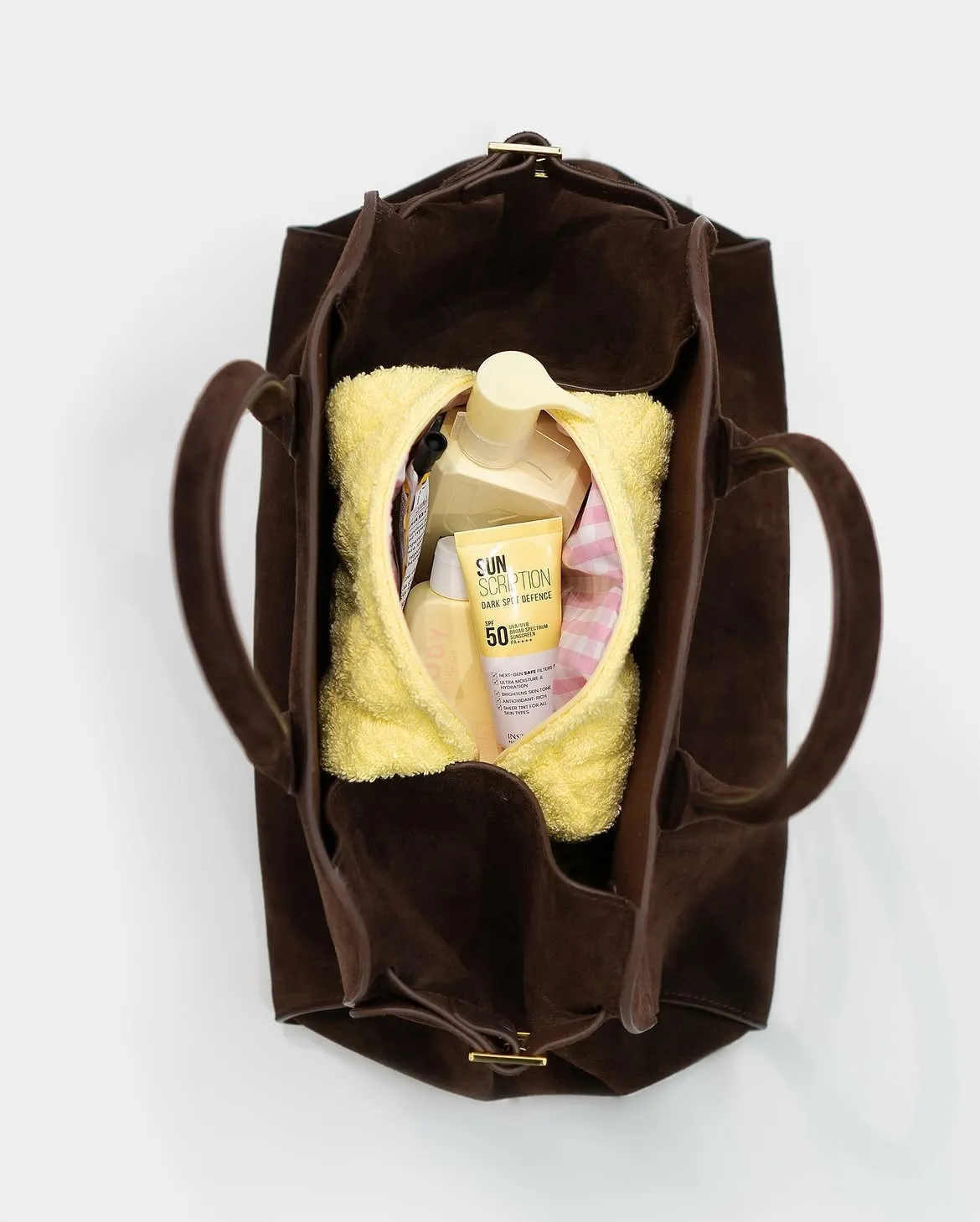
The choice of SPF depends on your skin type, but for summer, people usually opt for lighter textures—gels or fluids—so they feel pleasant on the skin. Or in cushion form.
During cooler seasons—spring or winter—we should also remember that there are sunny days, and snow can intensify the sun’s rays. So it’s important not to forget about SPF then either, especially in the mountains. In the fall and during other cooler periods, you can use products with richer textures that provide not only protection but also hydration.
The difference between the professional cosmeceuticals we work with and, for example, over-the-counter SPF products is that the latter simply provide protection. They do not address skin hydration. Their primary function is protection alone.
Professional cosmeceuticals are also designed to moisturize. That’s why in the summer, you can choose one good SPF product and use it during the day instead of your regular moisturizer.
For people—especially women—with pigmentation issues such as melasma or chloasma, I strongly recommend using SPF products with tinted bases or tinted granules. In addition to providing sun protection, this tint offers extra protection in the form of a filter. Like a film, the pigment covers the skin’s natural color, creating another layer of protection.
There are studies on this topic. People with rosacea, chloasma, or melasma should use a more tinted, opaque SPF. In cases of perioral dermatitis or, again, rosacea, it’s best to opt for physical filters, as they remain on the skin’s surface and aren’t absorbed by it.
If you have sensitive skin, you should choose sunscreens with physical filters. If your skin is not sensitive, you can choose products based on chemical filters, which are absorbed and work within the skin, or those with a combination of physical and chemical filters.
There is no significant difference between SPF 30 and 50: SPF 30 provides 95% protection, while SPF 50 provides 97%. However, SPF 50 is better suited for a beach vacation, while SPF 30 is sufficient for a summer in the city. SPF 15 can be used during the fall and winter months, in the colder season.
Summer Skincare with Regular Use of SPF
You don’t need to change your skincare routine if you’re actively using SPF. If your daytime routine during the cooler months included acids or exfoliants, you shouldn’t use them in the summer—set them aside or switch them to your evening routine.
If you applied acids or retinol to your skin in the evening, you must use an SPF product in the morning after washing your face. A very important rule: SPF counts as foundation, even if it’s clear.
First, remove your SPF with micellar water, then cleanse your face as usual. When it comes to SPF, it’s important to follow the same rules as when removing makeup.
Professional treatments that do not increase photosensitivity
In the summer, you should avoid aggressive treatments, such as CO2 resurfacing, which removes the top layer of skin. Avoid aggressive peels and exercise caution with IPL therapy and phototherapy. These treatments cause photosensitivity, which is particularly high in the summer due to increased UV radiation.
It’s better to focus on moisturizing treatments. In the summer, the skin becomes dehydrated, and dehydrated skin is more vulnerable to photodamage.
It is advisable to opt for injections of polynucleotides, peptides, and hyaluronic acid to normalize dermal function and ensure adequate hydration. For the skin to stay healthy, it’s important that the melanocytes function properly without causing local inflammation. Such inflammation can trigger a series of reactions that ultimately lead to pigmentation.
In the summer, we place greater emphasis on preventing the formation of new pigmentation. Therefore, injections provide protection equivalent to SPF. We also focus on hydration using all other skincare products: creams, serums, and non-injection mesotherapy using the Dermadrop device. The HydraFacial treatment—which hydrates the skin with serums—is also beneficial.
In the fall, when we analyze the results of our summer work and preventive measures, we assess the condition of the skin. After that, we begin to take active steps. All procedures that were not recommended in the summer can be performed in the fall, starting in mid-September. During this period, lower sun activity allows for more intensive treatment procedures.
Leo Beauty Club is a space where women can take care of themselves completely—from outer beauty to inner health. Here, they’re setting a new standard for service, where medical care becomes comfortable, understandable, and accessible.
You can visit the LEO BEAUTY CLUB at the following addresses:
KYIV
16B Lypkivskoho St.
18 Velyka Vasylkivska St.
Book online:
Read also:
Leo Beauty Club Announces the Launch of Its New Website, Leobeautyclub.net
Leo Beauty Club at IMCAS 2026 Paris: international experience, new knowledge, and improved protocols for our patients


