How to Protect Ukraine's Energy Sector from Hackers: Lessons from Israel Worth Emulating
17 November 2026 11:13A cyberattack on a power plant, water utility, or industrial facility can have consequences just as severe as a missile strike. Instead of stealing classified documents, attackers need only interfere with the control system to halt production, disrupt the water supply, or damage equipment.
Israel realized this long ago. The country lives in a state of constant security confrontation, so cyberspace is treated here as yet another front. What’s important is not just that the Israelis have learned to counter such attacks. They have built an entire system around this: the military trains specialists, universities conduct research, the government coordinates the efforts of various agencies, and private companies develop technologies and bring them to the international market. For Ukraine, which regularly faces Russian cyberattacks, this experience has very practical significance. This is especially true when it comes to protecting the energy sector, industry, water utilities, and other critical infrastructure on which the country’s daily life depends.
We spoke with Daniel Martin, Executive Director of Cyber7, about how the Israeli model works. Representatives from SIGA demonstrated why protecting industrial systems requires special attention and how to detect intrusions, even when everything looks normal on the operator’s screen.
This article was produced with the assistance and support of the Israeli Embassy in Ukraine and the Israeli Ministry of Foreign Affairs.
The Cyber Threat That Forced Israel to Act
One of the most famous examples of just how dangerous a cyberattack can be is the Stuxnet virus, which came to the world’s attention in 2010. It infiltrated the control system of the Iranian nuclear facility in Natanz and interfered with the operation of the uranium enrichment centrifuges. The malware altered the centrifuges’ rotation speed, causing malfunctions, but simultaneously manipulated the data displayed to the operators. In other words, the equipment was failing, yet everything appeared perfectly normal on the screens.
The development of Stuxnet is attributed to the United States and Israel, although neither country has officially confirmed its involvement. The operation, known as Olympic Games, was intended to slow down the development of Iran’s nuclear program without an overt military strike.
For cybersecurity, this was a watershed moment: computer code can affect not only information but also physical processes. There’s no need to enter a facility, damage it with missiles, or even cut off the power—all it takes is gaining access to the system that controls the equipment.
According to Daniel Martin, it was precisely after this incident that Iran realized cyberspace could become a distinct front in its confrontation with Israel. Tehran began to build up its own capabilities, and subsequently, numerous Iranian hacking groups began targeting Israel and the United States. Their targets include not only government institutions but also energy companies, banks, businesses, and other facilities, the disruption of which could cause significant damage to the country.
Following Hamas’s attack on Israel on October 7, 2023, Martin estimates that the intensity of cyber threats has increased roughly threefold, and investigating incidents has become more difficult: it is increasingly hard for experts to determine exactly how the attackers infiltrated the system, what they did once inside, and what their objectives were. For Israel, the question is whether government agencies, businesses, and critical infrastructure will be able to function normally.
The Army as a Training Ground for Future Cybersecurity Professionals
A distinctive feature of the Israeli model is the military’s leading role in training technical personnel. For many young people, military service is both a duty and the first serious step in their professional development.
Take, for example, Unit 8200, which specializes in electronic intelligence, information analysis, and cyber operations. Not everyone can join: candidates are carefully selected, and during their service, they tackle complex technological challenges.
“They take an 18-year-old and, after three or four years of service, turn them into a true specialist,” says Martin.
In addition to standard programming, young service members study large datasets, search for vulnerabilities, develop software tools, automate processes, and test their own solutions in practice.After completing their service, some of these specialists move on to tech companies, while others start their own businesses. Moreover, future business partners often meet while still in the army: they already share experience working on complex tasks and understand each other’s professional strengths.
Take, for example, Wiz, founded by Assaf Rappaport, Ami Lutvak, Inon Kostika, and Roy Reznik. The future co-founders met while serving in Israeli technology and intelligence units. Before founding Wiz, they worked together to develop Adallom, which was later acquired by Microsoft. In 2020, the team launched Wiz, which specializes in protecting cloud infrastructure. This is a telling example of how military experience, professional connections, and entrepreneurial skills can be transformed into an international technology business.
Of course, not every graduate of Unit 8200 goes on to found a global company. But what matters more to the state is this: the army provides a steady stream of people who already possess practical skills and can apply them in the civilian economy.
Not Just Startups: Why Israel Created a Cyber Cluster in the Desert
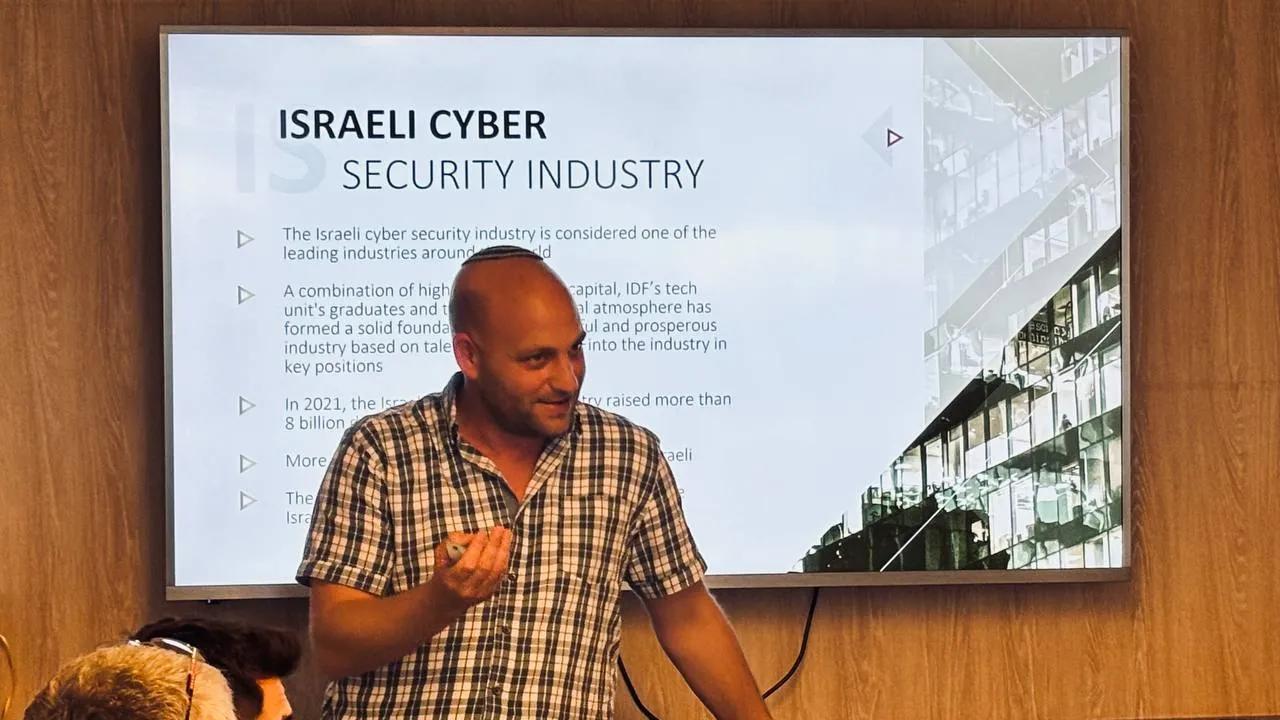
Israel’s cyber industry is also concentrated outside Tel Aviv. A crucial hub is developing in Be’er Sheva, a city in the Negev desert region. In the early 2010s, the government decided to establish a special cyber cluster there called CyberSpark. The idea was to bring together universities, government agencies, military units, and technology companies in one place. Ben-Gurion University served as the foundation for the project, and the Gav-Yam Negev technology park began to take shape nearby.
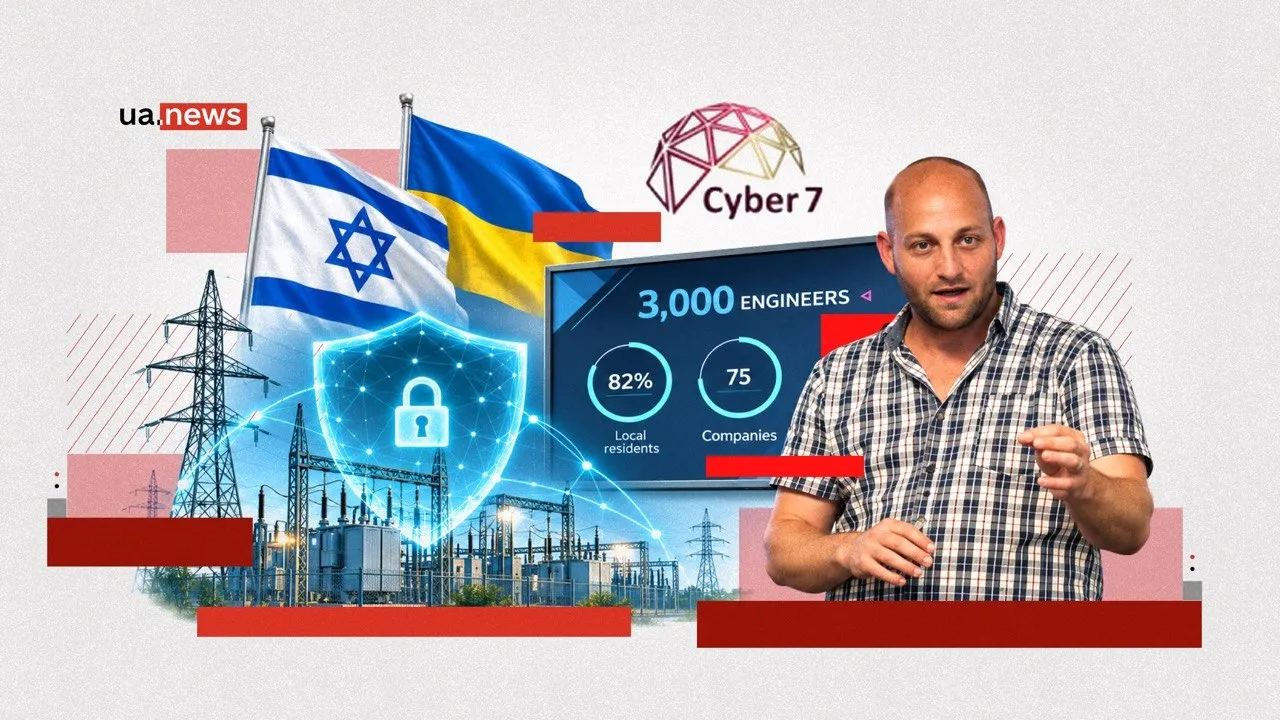
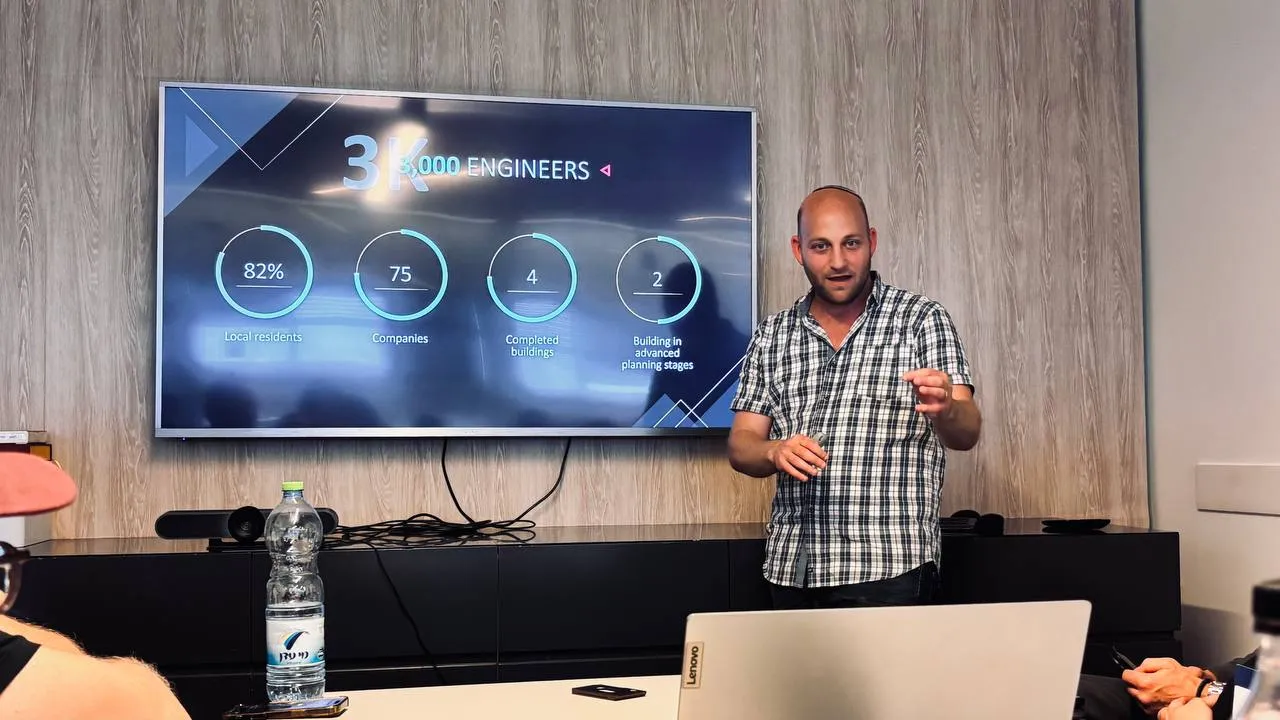
International companies were attracted to the region, conditions were created for opening offices, and collaboration between researchers and the business community was fostered. Another key part of the plan was the gradual relocation of the army’s technology and intelligence units to Be’er Sheva. Today, the area is home to government agencies, university laboratories, military units, and private companies. According to Martin, over the course of about ten years, the number of engineers in the technology park has grown from zero to 3,000, and the number of companies has reached approximately 75. At the same time, 82% of the cluster’s employees, according to his data, are residents of the Negev region. This is not just a matter of a few offices belonging to large tech companies. A local job market has formed around cybersecurity, giving people the opportunity to work in the high-tech sector without having to move to the central part of the country.
For Ukraine, the example is interesting precisely because of this principle. The development of the technology industry does not necessarily have to be concentrated in the capital. Universities, government agencies, military experts, and businesses can create joint centers of excellence in other regions as well.
The government should not be the sole creator of all solutions
Another important element of the Israeli model is collaboration between the government and the private sector. One example is Cyber7—a cyber innovation community established in 2021 with government support. Its mission is to help Israeli companies find investors, international clients, and partners, and to help foreign organizations connect with developers who can offer the right technological solutions.
Martin explains that this structure partially solves a problem faced by government officials. They may be well-versed in the local market and understand which companies are capable of assisting foreign clients. But recommending a specific private company on behalf of the government carries the risk of accusations of lobbying. Cyber7 can act as an intermediary: receive a request, identify the need, and help find companies that offer the right products.
“I receive such requests every week from governments and private organizations around the world. They say: ‘Help us get in touch with these startups—we have a challenge,’” Martin explains.
The organization also helps young companies establish contacts with investors and, for those already in the market, find new opportunities for international growth. Another focus is professional meetings, where experts discuss practical case studies and new research, rather than simply listening to presentations on yet another product.
Martin is convinced that the government should not try to handle everything related to cybersecurity on its own. The private sector often develops technologies more quickly and adapts better to customer needs. The government’s role is to create conditions under which these solutions can be leveraged to solve real-world problems.
The Israeli example shows that a separate intermediary can operate between a government client and a private developer, helping them find each other. This does not replace transparent procurement and technology vetting, but it can shorten the path from the creation of a solution to its practical implementation.
Why Protecting Servers Isn’t Enough: A Lesson for Ukraine’s Infrastructure
A specific area of cybersecurity designed to protect industrial systems is of immense importance to Ukraine. Specifically, this refers to the equipment that controls the operation of factories, power plants, water utilities, and other critical infrastructure facilities. In professional circles, this field is known as OT security—the protection of operational technologies.
Unlike typical office computer networks, these systems directly control physical processes. They issue commands to pumps, valves, motors, and sensors; they determine pressure in pipes, temperature in industrial facilities, or the operating speed of equipment. Therefore, the consequences of an attack can be quite severe. If an attacker interferes with the control system, operations may come to a halt, equipment may be damaged, and water or electricity supplies may be disrupted.
The problem is that much of the industrial infrastructure was built decades ago. The equipment may function reliably for 30–40 years but lack modern cybersecurity measures. It is often simply impossible to upgrade it. Any intervention may require halting production, checking compatibility, or reconfiguring technological processes. For a company, this is costly and risky.
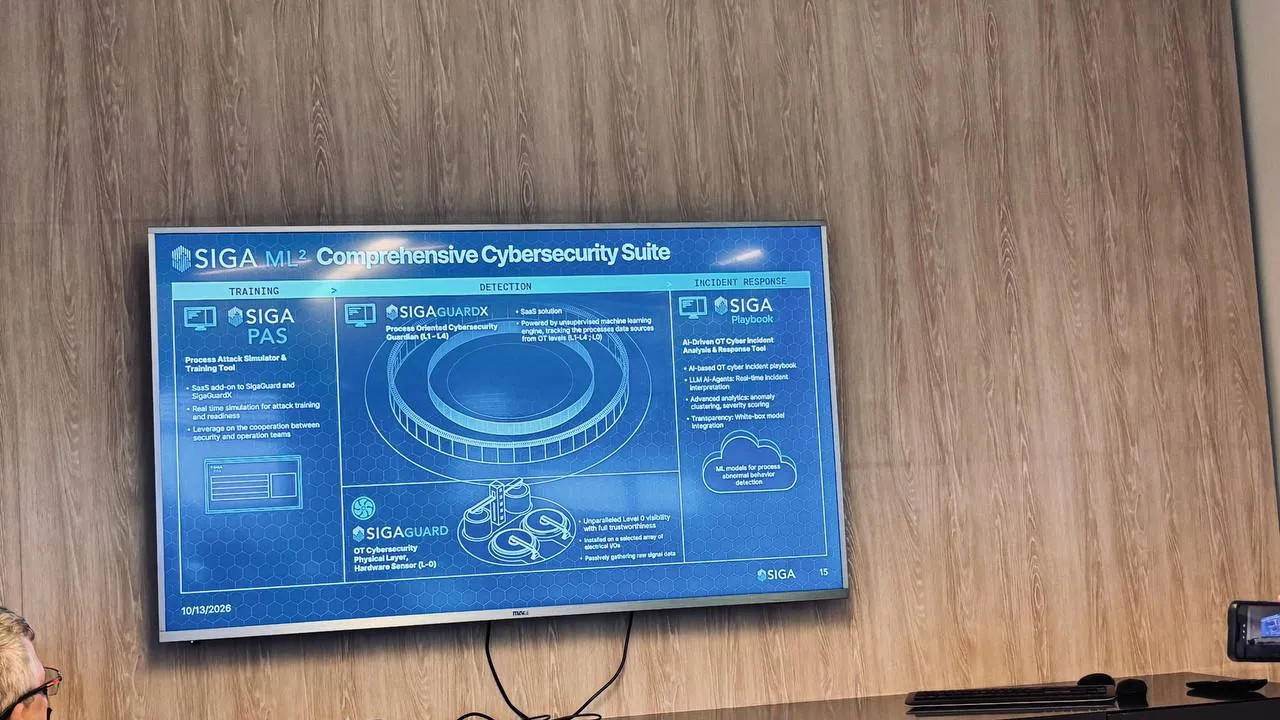
The Israeli company SIGA focuses specifically on this problem. Its representatives demonstrated solutions that make it possible to monitor the operation of industrial equipment and detect potential interference without completely replacing old systems.
For example, the SIGA-Guard product analyzes signals coming from the equipment and helps determine whether its behavior corresponds to normal operation. The system first learns the normal performance metrics for a specific facility and can then detect deviations that indicate a malfunction or unauthorized interference.
Another SIGA-Guard X solution works with HMI and SCADA systems. It is through these systems that operators view production metrics and control equipment.
Let’s imagine a pumping station. The dispatcher’s screen shows that the pump is operating normally, the system pressure is within normal limits, and the valves are opening according to the set commands. But if an attacker has tampered with the data, the dispatcher may see a picture that does not match the actual state of the equipment. This is one of the dangerous aspects of industrial cyberattacks: the system may show the operator that everything is running normally, while in reality the process is already spiraling out of control.
SIGA-Guard X compares information from control systems with data on the actual behavior of the equipment. If the readings do not match, this may indicate a problem.
Another of the company’s products—SIGA-Pulse—is designed to simulate cyberattacks and train personnel. It can be used to recreate various incident scenarios and test how the company’s team will respond to them. This is particularly important in cases of ransomware attacks. If attackers have locked down the control room’s computers, it does not necessarily mean that the industrial equipment itself has stopped working. Independent monitoring can help assess its condition and determine whether it is safe to continue production while IT specialists restore the computer systems. It’s not enough to detect a breach; you need to understand exactly what the attackers managed to change. SIGA representatives emphasize that their solutions can work with older industrial equipment that is difficult or expensive for companies to replace. For Ukraine, where many critical infrastructure facilities use outdated systems, this approach may be particularly relevant.
Who Should Coordinate Cybersecurity
In Israel, the National Cyber Directorate (INCD) plays a key role in coordination. It does not replace the military, the security services, or other government agencies, but rather helps them coordinate their actions and exchange information.
According to Martin, in the past, the jurisdictions of various agencies overlapped, and there was no unified coordination system. Now, representatives from the Cyber Directorate, the Ministry of Defense, Shin Bet, the military, and other agencies can come together to discuss threats and incident response. Martin compares this model to an orchestra: everyone has their own part to play, but someone has to make sure everyone plays in unison.
Israel’s experience also shows that cybersecurity is not limited to the energy sector, banks, or government servers. Dedicated teams prepare defenses for electoral processes, political parties, and major international events. For example, during the 2019 Eurovision Song Contest in Israel, a special team was tasked with protecting the event from potential cyberattacks and information operations.
What Ukraine Could Learn
According to Daniel Martin, Ukraine first and foremost needs active government involvement to develop its own cyber industry. He cites two main reasons why Israel has become a cyberpower: the army’s technology and intelligence units, which train specialists, and the government’s involvement in the early stages of the industry’s development.
“The government needs to realize that the private sector can handle things better. It simply needs to learn how to work with private businesses,” Martin explains.
Instead, the government should identify needs, establish clear rules for cooperation, provide access to contracts, and ensure coordination among the various participants. Martin also supports the idea of cooperation between Ukrainian and Israeli cybersecurity experts. Both countries are confronting states that use digital tools in warfare. Russia and Iran, in particular, cooperate in the military sphere, so exchanging information about their cyber operations could be useful.
Martin did not mention any specific agreements or joint programs between Ukrainian and Israeli agencies, but the general principle remains important: countries facing common cyber threats stand to benefit from exchanging experiences and helping one another. The Israeli model has been developed over decades, but Ukraine could start with a more accessible approach: treating the training of cybersecurity specialists as part of national security while simultaneously creating conditions that allow them to work in the civilian economy. Establish ongoing cooperation between government agencies, universities, and private developers. Technological solutions already exist, but they must reach those who truly need them. And finally, do not limit cybersecurity to computer networks, databases, and government websites. Power plants, water utilities, transportation, factories, and the systems that manage them require no less attention. It is important to establish a clear coordination system so that, during a large-scale attack, there is no need to figure out whose responsibility it is, but rather to quickly exchange information and act jointly.
Israel’s experience demonstrates that cybersecurity can serve as the foundation for the development of the technology industry, the training of a new generation of specialists, and the emergence of companies that are competitive on the international market. For Ukraine, which must defend its critical infrastructure and develop its own technologies, this is one possible way to turn the experience of war into a long-term advantage.