
Anthropic investor Lonsdale accuses AI companies of stoking fear — Channel NewsAsia
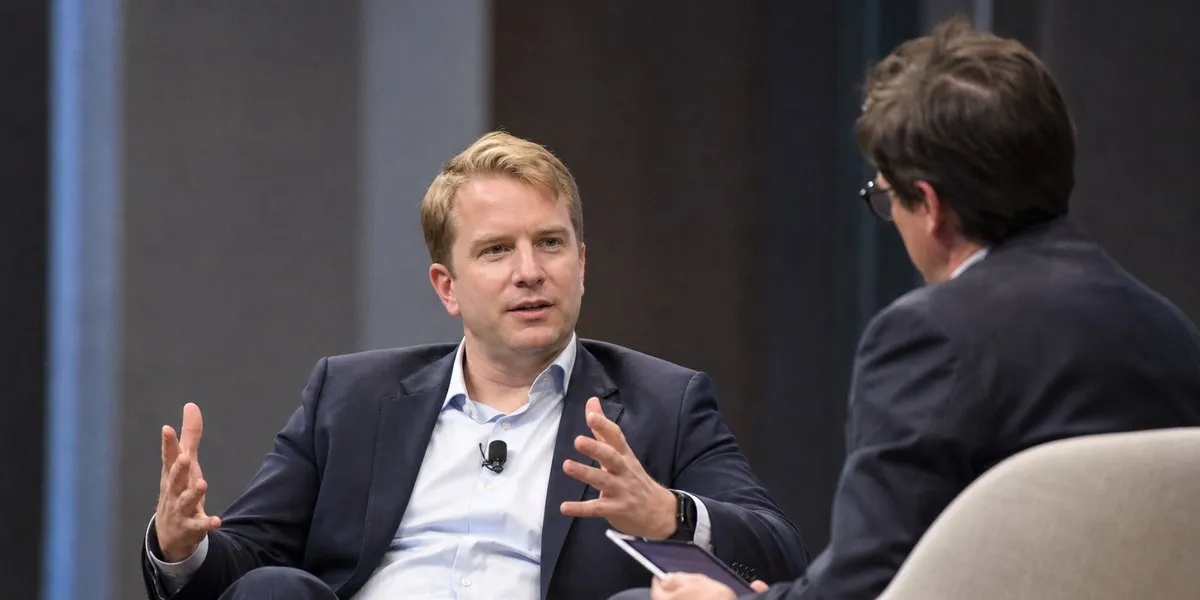
In Austin, United States, Palantir Technologies co-founder and Anthropic investor Joe Lonsdale said that warnings by leading artificial intelligence companies about existential AI risks may be an attempt to influence public policy. Channel NewsAsia reports, citing Reuters.
Criticism of AI regulation
At the Reuters Momentum AI Austin event, Lonsdale criticized what he described as efforts by people close to Anthropic and OpenAI who fund outside groups advocating for stricter regulation of artificial intelligence. In his view, this could allow a small number of leading companies to shape rules for the industry and strengthen their own market positions.
Lonsdale stressed that AI safety is a real concern, but urged caution in responding to fears and calls for tighter regulation. At the same time, he spoke positively about Anthropic, in which he is a small investor, calling the company one of the leaders in the AI race and praising its team.
More current news is available on the UA.News Telegram channel Telegram.
Anthropic CEO Dario Amodei, OpenAI chief Sam Altman, and SpaceX head Elon Musk this month called on leading companies to slow the development of the most advanced AI models. They warned that increasingly powerful systems could pose existential risks to humanity if safety measures do not advance quickly enough.
Possible deals with Ukrainian companies
Lonsdale, who has invested in defense technology companies, including Anduril, also said that some of them will likely acquire Ukrainian defense companies. According to him, Ukrainian drone and defense technology manufacturers have made significant progress thanks to the constant adaptation of systems on the battlefield during more than four years of the armed aggression of the Russian Federation, an aggressor state, against Ukraine.
The investor said that his companies work closely with Ukrainian enterprises and see opportunities for deeper partnerships and potential acquisitions. He also noted that autonomous AI weapons systems are the future of warfare, but responsibility for their use must remain with military leaders.




