
TimesLIVE columnist names potential bottlenecks in the AI boom
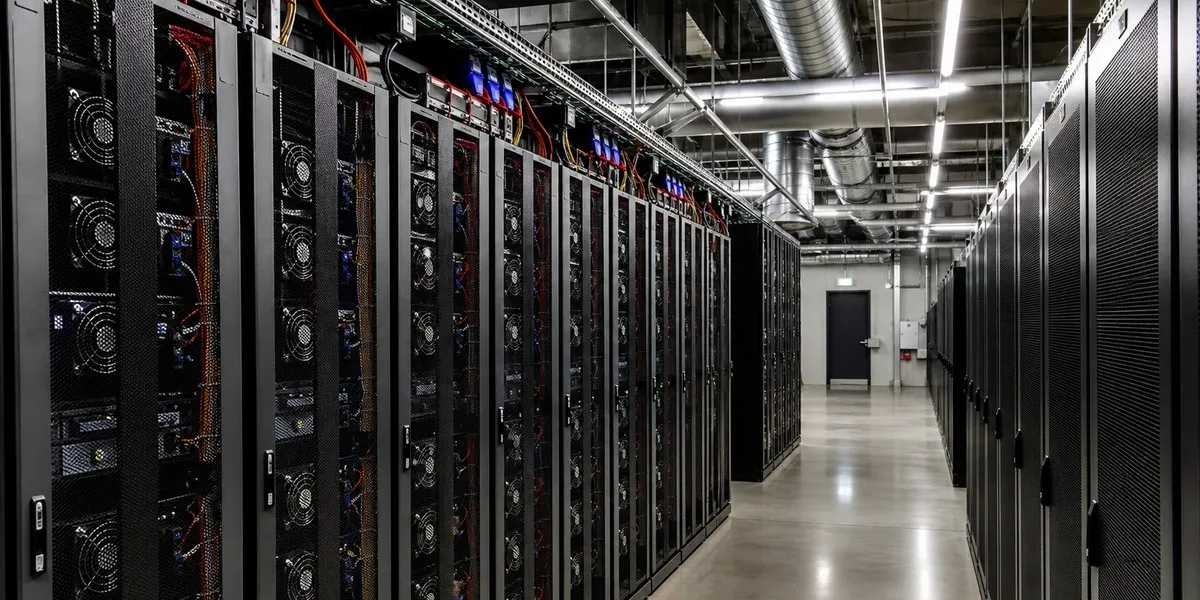
In South Africa, TimesLIVE published a column by Heath Muchena on the physical constraints on artificial intelligence development. According to the author, AI requires not only software models but also chips, electricity, memory, land, cooling systems, transformers, data centers, construction workers, and financing.
AI and physical infrastructure
Muchena believes that AI is increasingly resembling an industrial revolution rather than a purely software-based one. He notes that the discussion of a possible AI market bubble oversimplifies the situation: the technology can be transformative while also being accompanied by speculatively inflated valuations of individual assets.
The author writes that Nvidia's data center business has reached a scale that seemed unlikely just a few years ago. According to him, Microsoft, Meta, Amazon, and Google invest tens of billions of dollars in computing capacity every quarter. Such spending must eventually pay off, but economic value may shift toward resources that will be scarce in the AI value chain.
More current news is available on the UA.News Telegram channel Telegram.
Possible constraints and risks
Among the possible constraints, Muchena names graphics processors, high-speed memory, networking equipment, electricity, transformers, grid connections, and construction permits. He compares this to commodity markets: when transport capacity is scarce, freight rates rise, while semiconductor shortages increase the value of production capacity.
In the columnist's view, more efficient models and cheaper execution of AI queries will not necessarily reduce demand for infrastructure. Lower costs may encourage companies to make more queries, while autonomous agents can further increase the consumption of computing resources.
At the same time, Muchena warns that risks will arise if AI revenues fail to keep pace with the capital invested. Among possible signals, he names rising financing costs, falling GPU utilization, power supply constraints, and the emergence of excess capacity. To assess the market situation, the author proposes monitoring GPU rental prices, memory costs, electricity demand, data center utilization, AI token consumption, corporate cash flows, and the cost of financing new capacity.


