
Roman telescope may have enough fuel for at least 22 years of operation
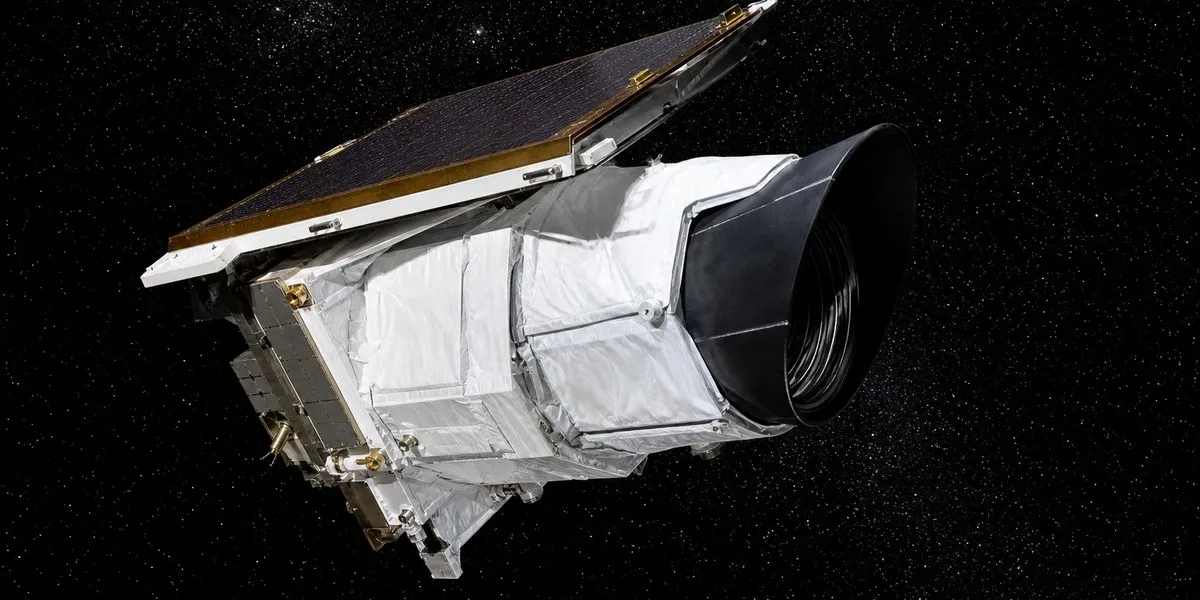
NASA’s Nancy Grace Roman Space Telescope, launched from Cape Canaveral in the United States on August 30, may have enough fuel for at least 22 years of potential scientific work. The spacecraft is heading to the L2 Lagrange point, where it will study dark energy and search for exoplanets.
As Space.com reports, the telescope’s primary mission was initially planned for five years and could have been extended by another five years if funding was available. The observatory can now conduct scientific observations at least until 2048, provided it operates without failures.
Lower mass made it possible to fill the tanks completely
During the design process, the fuel tank capacity was calculated for a spacecraft with a maximum mass of 9,800 kilograms. The completed telescope weighed 8,065 kilograms. This made it possible to fill the tanks completely, rather than only with the amount of fuel needed for a 10-year mission.
More current news is available on the UA.News Telegram channel Telegram.
Alison Rao, Roman’s propulsion systems manager at NASA’s Goddard Space Flight Center, explained that the spacecraft’s mass changes during the design and assembly process. Its lower-than-expected mass made it possible to load more fuel.
The first trajectory correction saved fuel
The additional fuel loaded before launch had already provided the spacecraft with resources for at least 14 years. Within a day after launch, the telescope performed a three-minute engine burn to enter its trajectory toward L2. The maneuver put the spacecraft on the required course with 99% accuracy and used 18 kilograms of fuel — less than 10% of the 200 kilograms allocated for this maneuver.
According to Space.com’s estimate, these savings could add about four years to the telescope’s potential operating life. The accuracy of the first correction should also reduce fuel consumption during the second maneuver, scheduled for early December to place Roman into orbit near L2. After arrival, the spacecraft will perform minor position corrections every 28 days.


