
Money20/20 Europe: Why the Fintech Industry’s Biggest Event of the Year Turned into a Disaster
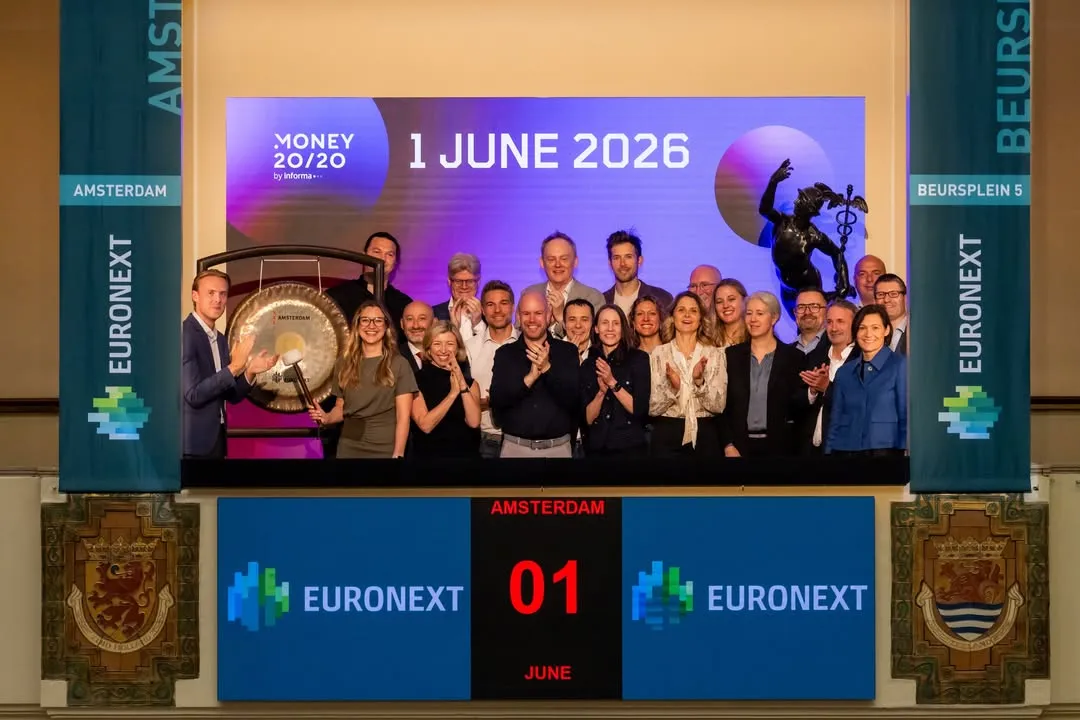
The Money20/20 Europe 2026 fintech conference, taking place in Amsterdam (Netherlands) from June 2 to 4, turned out to be an unexpected flop. According to participants, the massive RAI Amsterdam exhibition center, where the conference is being held, was half-empty. One of the reasons for this decline in interest was the astronomical increase in ticket prices for attendees. UA.News investigated how one of the most prestigious events in the global fintech industry came to this state.
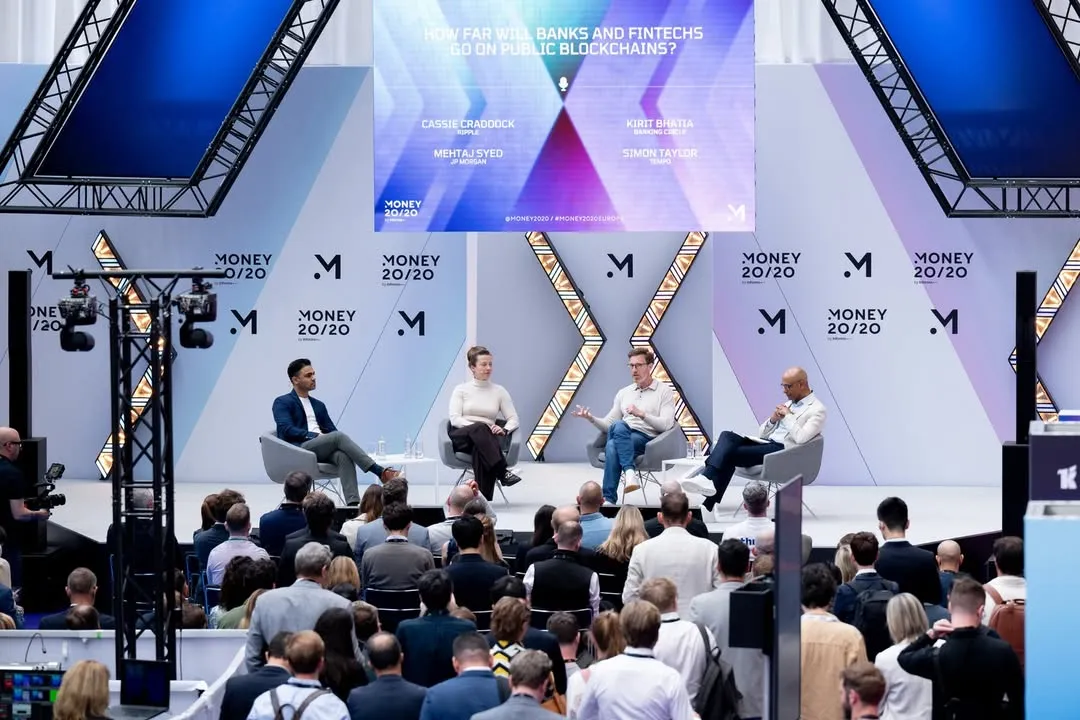
The History of Money20/20 Europe
Every year, Money20/20 Europe brings together the elite of the fintech industry—both new startups and established leaders. It typically consists of three days of networking, brainstorming, and expert discussions.
The conference was launched in the U.S. in 2011 as an international platform for discussing the future of financial technologies, payment systems, the banking sector, and digital commerce.
In 2016, the organizers launched the European version—Money20/20 Europe. The first event took place in Copenhagen and brought together thousands of representatives from the financial industry. Later, the conference moved to Amsterdam, which became the permanent venue for the European forum.
Over time, Money20/20 Europe has become one of the most influential events in the global fintech industry, where topics such as digital payments; open banking; artificial intelligence in finance; cryptoassets; central bank digital currencies (CBDCs); KYC/AML and compliance; and cybersecurity.
The conference was attended annually by market leaders: one in three participants was a senior executive in banking, payments, technology, startups, retail, politics, cryptocurrency, cybersecurity, and other sectors.

Landmark events of past years
The start of discussions on Open Banking
Following the entry into force of the PSD2 directive, the conference became one of Europe’s leading forums on open banking. Many banks and fintech companies presented their strategies for API integration and new payment services specifically at Money20/20 Europe.
The boom of fintech unicorns
Executives from Revolut, Klarna, Wise, Adyen, and other major European fintech companies regularly spoke at the event. Many projects first attracted investors’ attention during the conference.
Growing interest in cryptocurrencies
Over the years, Money20/20 Europe has served as a platform for discussions on Bitcoin, stablecoins, digital assets, and crypto market regulation.
Artificial intelligence and finance
From 2023 to 2025, one of the main topics was the integration of AI into banking services, customer scoring, fraud prevention, and the personalization of financial services.
How ticket prices and sponsorship packages rose
As the conference’s popularity grew, so did the cost of attendance. In the early years of the European conference, a standard ticket cost several hundred euros. Over time, the price rose to over a thousand euros for full access to the event.
The price was influenced by: the scale of the conference; the number of participants; access to closed-door events; and networking opportunities.
For leading market players, participation in the conference became a mandatory part of their strategy for establishing a presence in the fintech sector and an important marketing tool. Sponsorship costs included: exhibition booths; venue branding; speaker presentations; VIP meetings; and access to the attendee database.
Thus, the largest sponsorship packages were valued at hundreds of thousands of euros.
The 2026 Flop and Half-Empty Conference Halls
In previous years, the number of participants at the Money20/20 Europe fintech conference could reach up to 8,000 people and over 3,200 companies from around the world. During the event, both young and established startups had the opportunity to generate new ideas and build business connections. Therefore, the affordable cost of participation was a key factor in the conference’s popularity and ensured its scale.
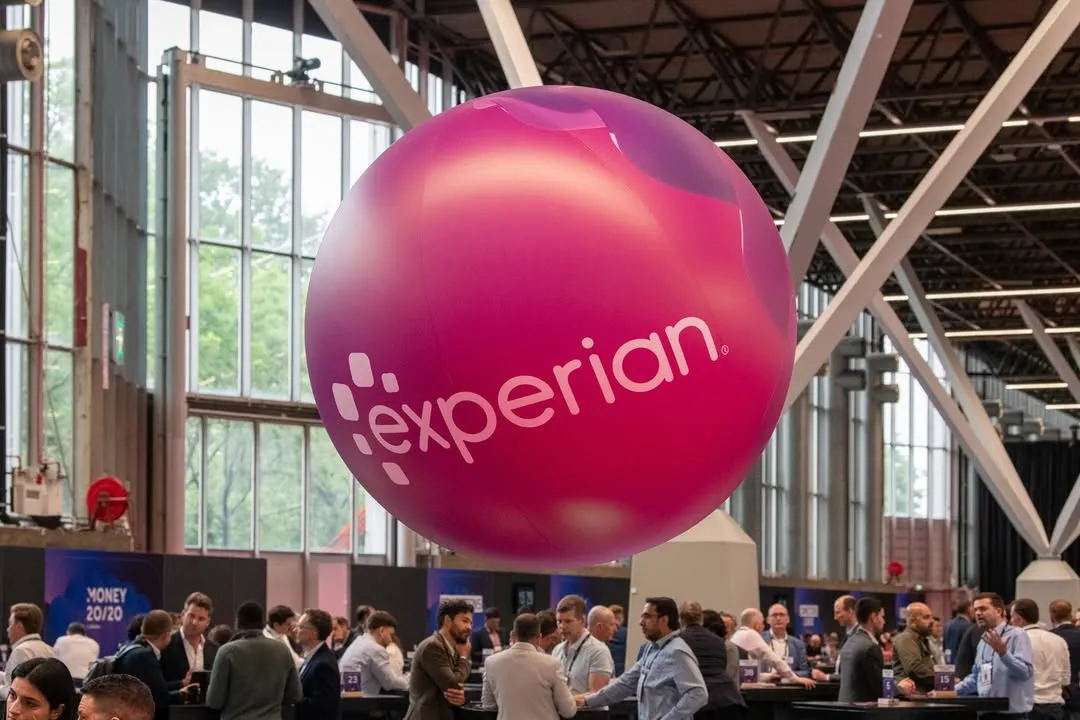
However, the conference’s popularity fueled the organizers’ ambitions. Ticket prices continued to rise year after year, reaching a record high of nearly 4,000 euros in 2026.
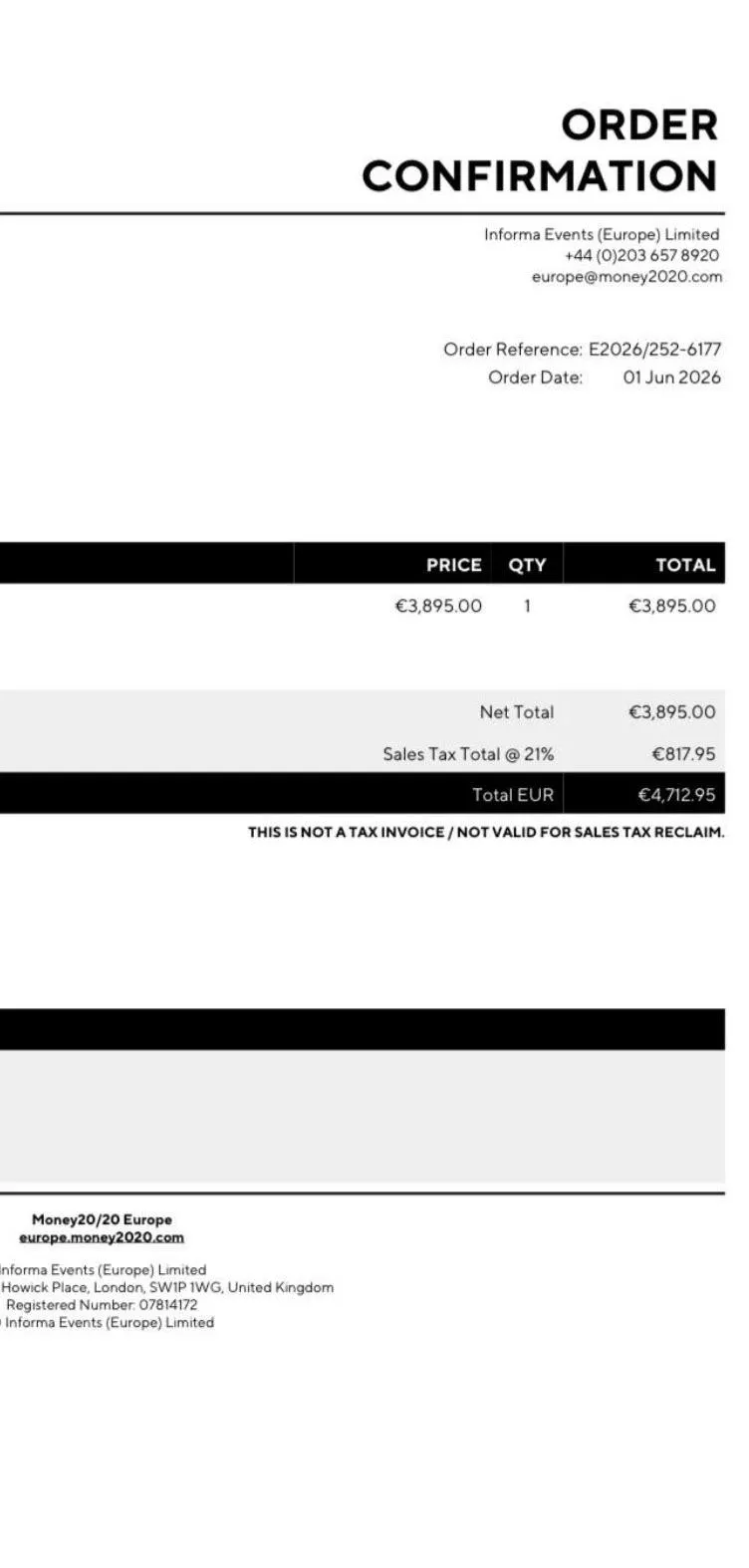
The price hikes led to conference halls being half-empty, compared to the frenzy of previous years. The organizers appear to have narrowed the audience to representatives of large corporations, and the event itself lost its diversity of participants and limited the exchange of ideas and innovations.
Overpriced tickets are a classic trap that leads to a decline in attendance even at the world’s largest conferences. After all, an unreasonable price negates even the most interesting and innovative content, limiting opportunities to find new partnerships and projects. Whether the organizers of Money20/20 Europe will learn from this remains to be seen at next year’s conference.
Expert Commentary
In general, such conferences offer many useful insights. They provide platforms for industry representatives to share experiences, assess current trends, and analyze the current direction of competitors, stakeholders, and the market as a whole. Participants gain insight into which products to launch to stay on top, and much more. Furthermore, at such conferences, they seek out partners for various collaborations and the implementation of new solutions, or attract contractors, says Galina Kheylo, President of the Global Payment Association .

"In general, such products are useful. But every company participating in such an event weighs the pros and cons. If resources are spent on this, it's important to understand whether they will pay off in the long run," notes Kheylo. "If it's a small amount, it's worth the investment. Even if you don't see any immediate benefit, you still have the opportunity to attend an interesting event and gain a lot of useful information.
Overall, it looks good. But when an event costs exorbitant amounts of money, you can't help but wonder: what practical benefit does it provide? It's easy to consider the plethora of events happening around the world right now. Many of them are webinar formats, many of the organizers are trendsetters in various industries, and they often offer free master classes or events. You just have to learn to seize these opportunities.
For example, the team at our fintech company, Sends, attends a lot of events. In June, we plan to attend 15 events, each of which is free for Sends representatives. And all of these events are very interesting, with high-quality speakers.
So, when you're considering whether to attend Money20/20, on one side of the scale, you have the event's brand, which has a considerable history, and that's basically it. On the other side, you have the exorbitant costs.
Therefore, it seems to me that although the organizers of Money20/20 consider themselves trendsetters, they are not empathetically aware of industry trends. There is simply no appetite for attending such expensive events right now."
Read also:
Sends attends exclusive fintech industry meeting organized by MFTA and Sandbox Security in Dubai


