
NASA has discovered organic compounds on Mars that are the building blocks of DNA
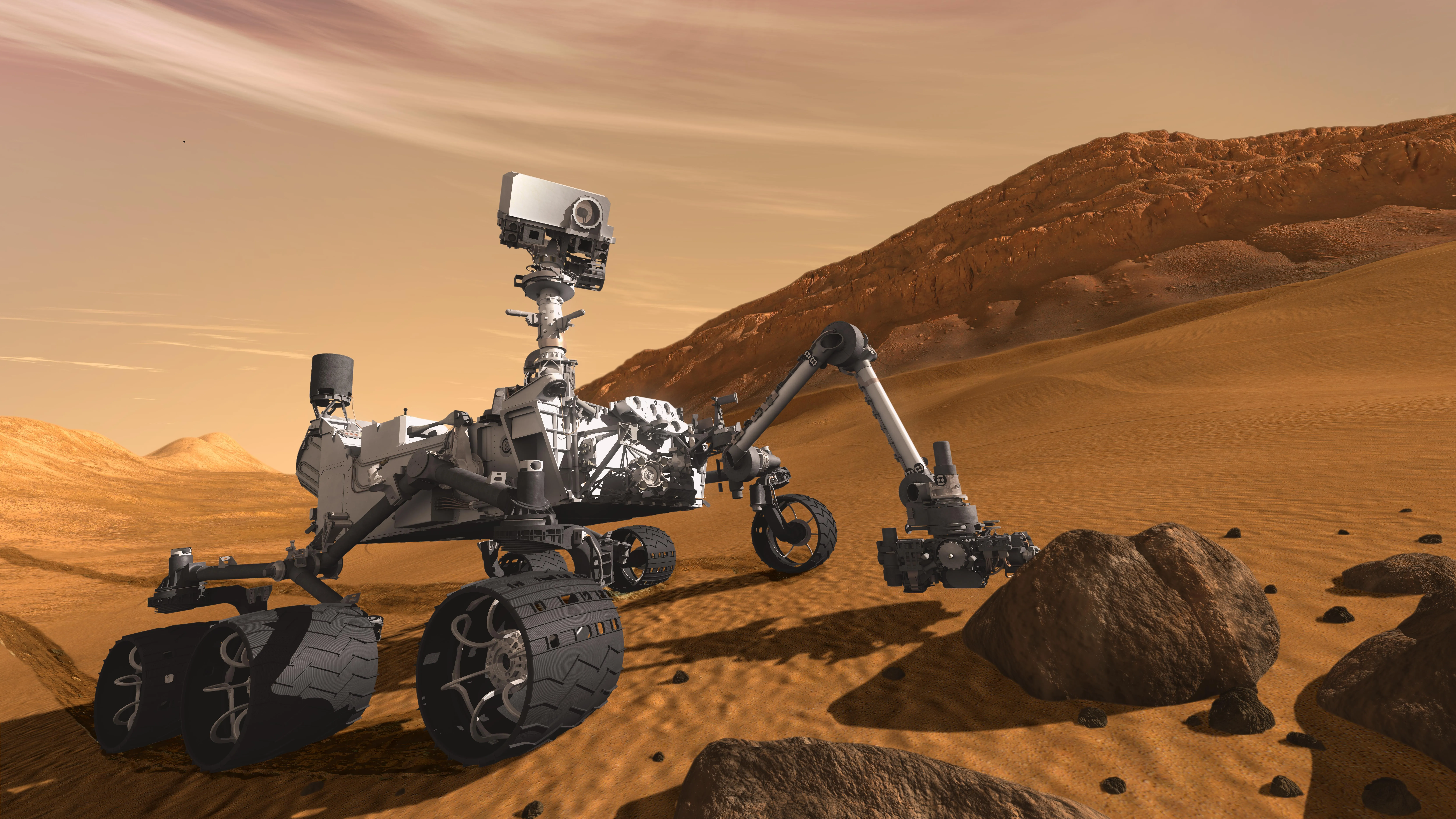
The Curiosity rover has identified more than 20 types of organic molecules, including a nitrogen-containing compound structurally similar to the building blocks of DNA.
According to data from NASA’s Jet Propulsion Laboratory, the analysis was conducted in the Glen Torridon region using the SAM (Sample Analysis at Mars) instrument. Scientists employed a specialized chemical method to break down the molecules, enabling the first-ever discovery of such compounds on the Red Planet.
Research lead Amy Williams noted that the organic matter detected had been preserved in Martian soil for about 3.5 billion years. In addition to biologically similar components, the rover detected benzothiophene—a sulfur-containing compound that could have reached Mars via meteorites. Researchers believe that such cosmic material could have served as the foundation for the emergence of life on both Mars and Earth.
Despite the significance of the discovery, the origin of the substances found remains unknown at this time, as they could have formed as a result of both biological and geological processes. Final conclusions will be drawn once samples of Martian rocks are delivered to Earth. The success of this experiment has already been factored into the planning of future missions to Titan and further research on Mars.
It should be noted that such compounds are a common occurrence in space. The Japanese probe Hayabusa-2 brought back similar compounds from the asteroid Ryugu. And NASA researchers have detected organic compounds, including sugar molecules, in samples brought back from the asteroid Bennu.


