
The U.S. is testing combat AR glasses with AI from Anduril and Meta
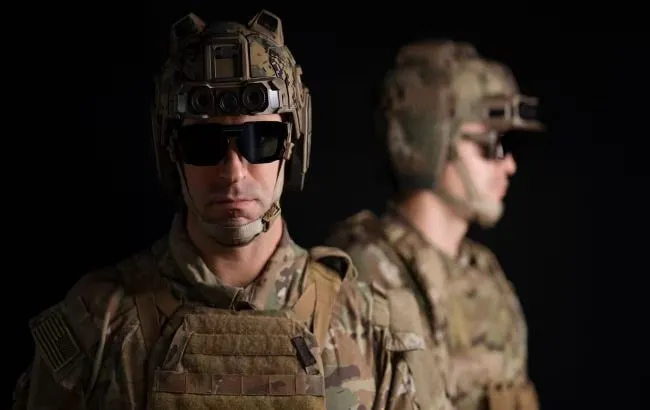
The U.S. military is testing new augmented reality glasses developed by Anduril in partnership with Meta. The system integrates generative artificial intelligence, including the Gemini and Claude models, and allows users to control drones using eye tracking and voice commands. The technology is intended to enhance the effectiveness of military operations at night and in challenging conditions.
This was reported with reference to the MIT Technology Review.
Currently, the company’s engineers are working on two parallel military headset programs simultaneously:
The SBMC program (official contract): a $159 million contract calls for the development of specialized goggles that attach to existing standard military helmets. Microsoft was previously the lead on this project, but its $22 billion contract was canceled due to the device’s technical unfeasibility.
The EagleEye Project (in-house development): Anduril is using its own funds to create a fully integrated system where the protective helmet and electronic goggles form a single device. The military did not request this, but the developers are confident that the army will want to purchase this specific version.
Prototypes are expected to enter mass production no earlier than 2028. All electronics will run on the proprietary Lattice software platform, for the integration of which the Pentagon has already allocated $20 billion.
How AI Helps Soldiers on the Battlefield
While performing tasks, the goggles will display an interactive map of the terrain, movement routes, and the coordinates of nearby drones right in front of the soldier’s eyes. Special computer vision will automatically recognize threats, such as enemy trucks or artillery.
To issue a command, a soldier simply needs to say a phrase in plain language—for example, to call for an evacuation for a wounded person. Google’s Gemini, Meta’s Llama, and Anthropic’s Claude AI models will translate human words into digital commands for the technology.
The developers note that in the future, the system could even be controlled without words—simply by tracking the user’s eye movements and light touches on the device’s body.
Challenges and Expert Criticism
Former military personnel and analysts at the RAND Corporation express serious doubts about the device’s usefulness in real combat. The main problem is information overload. If a soldier is simultaneously listening to radio messages, looking at a bunch of graphs in front of their eyes, and trying to monitor their surroundings, they will simply lose focus.
In addition, the developers faced a number of strict technical requirements:
Logistics without Chinese involvement: due to strict U.S. military contract regulations, Anduril had to establish new supply chains for components that completely exclude the participation of Chinese companies.
Harsh conditions: the goggles must function flawlessly in dust, during explosions, and in thick smoke.
Battery life and weight: powerful processors require large batteries, adding weight to soldiers who already carry over 45 kilograms of gear.
Additionally, AI models must operate locally on the device, without a connection to the 5G network, which is currently unavailable on the front lines.
The U.S. has offeredCuba a new development path and $100 million in aid.
Representatives of the U.S. State Department held talks with Cuban authorities in Havana—this is the first time in a decade that a U.S. government plane has landed in Cuba.
As a reminder, Trump authorized oil shipments to Cuba from Russia and other countries.


