
Neanderthals treated toothaches 59,000 years ago, according to scientists

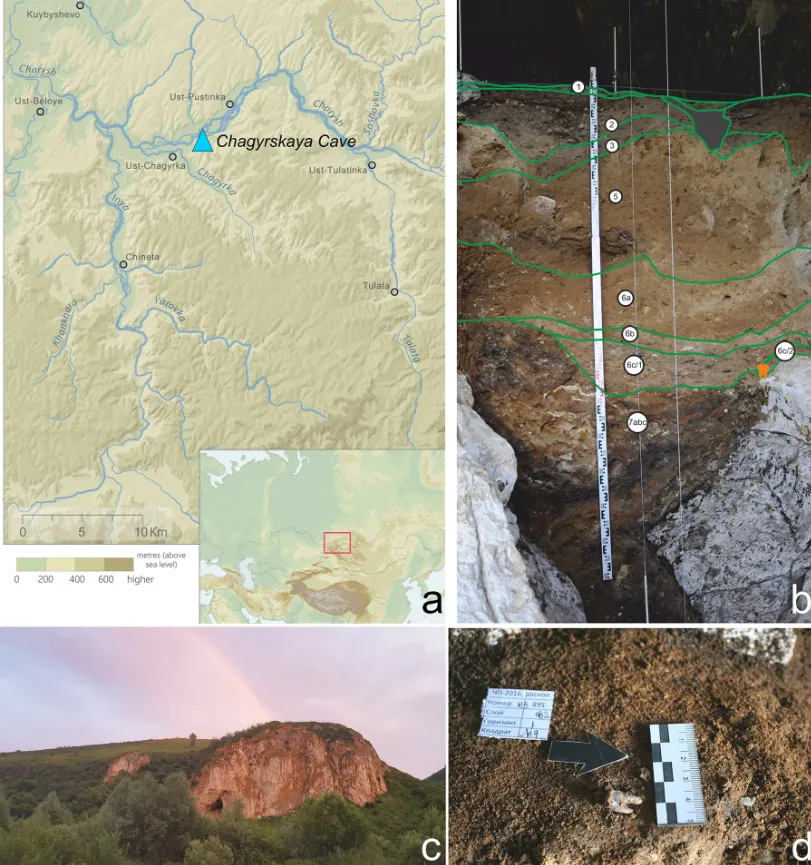
In the Chagirska Cave in Altai, scientists have discovered a Neanderthal tooth that indicates deliberate treatment of a toothache approximately 59,000 years ago.
The study, published in the journal PLOS One, challenges the notion that Neanderthals were less developed.
As the researchers determined, one of the molars has a hole leading directly to the tooth’s pulp—the area where the nerves are located. Its shape and structure do not resemble natural tooth decay or accidental damage.
Study author Alisa Zubova of the Kunstkamera notes that the nature of the damage indicates deliberate intervention using stone tools.
To test this hypothesis, the scientists recreated the tools found in the same archaeological context and attempted to work on modern teeth. The resulting microscopic traces matched the damage on the ancient molar perfectly.
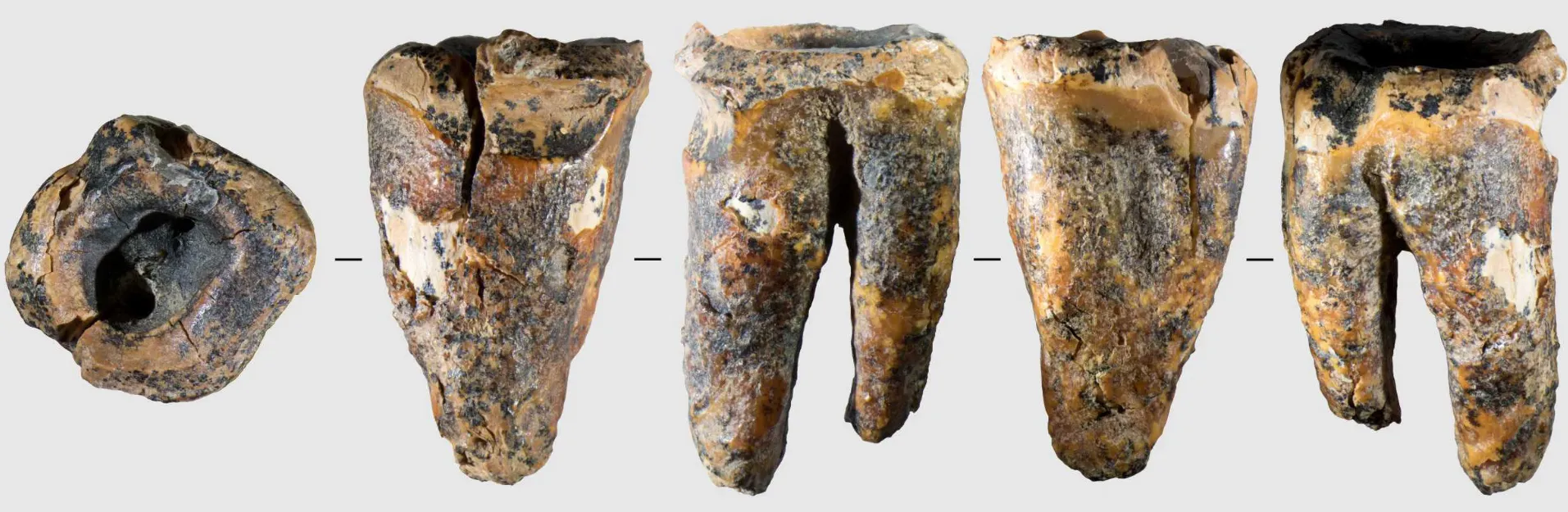
This led to the conclusion that the intervention was not accidental but deliberate.
The study shows that Neanderthals were capable of:
- use stone tools for medical procedures
- locate the source of pain
- attempt to remove the affected areas of the tooth
This significantly changes our understanding of their cognitive abilities and behavior.
The tooth shows signs of continued use after the procedure, indicating that the individual continued to live and chew after the “treatment,” and thus it likely provided relief and did not lead to a fatal infection.
The find from the Chagyr Cave is one of the oldest known examples of dental intervention and shows that medical practices may have existed long before the emergence of modern humans.
Previously, researchers revived a microscopic organism that had been buried in permafrost for about 24,000 years.
The Archaeological Park of Pompeii, in collaboration with the University of Padua, has carried out a unique project to digitally reconstruct the appearance of a person who died during the catastrophic eruption of Mount Vesuvius in 79 AD. Thanks to artificial intelligence technologies and modern methods of processing anthropological data, researchers were able to transform information from skeletal remains into a realistic portrait of an elderly man.


