
Rebellions to establish regional headquarters in Riyadh
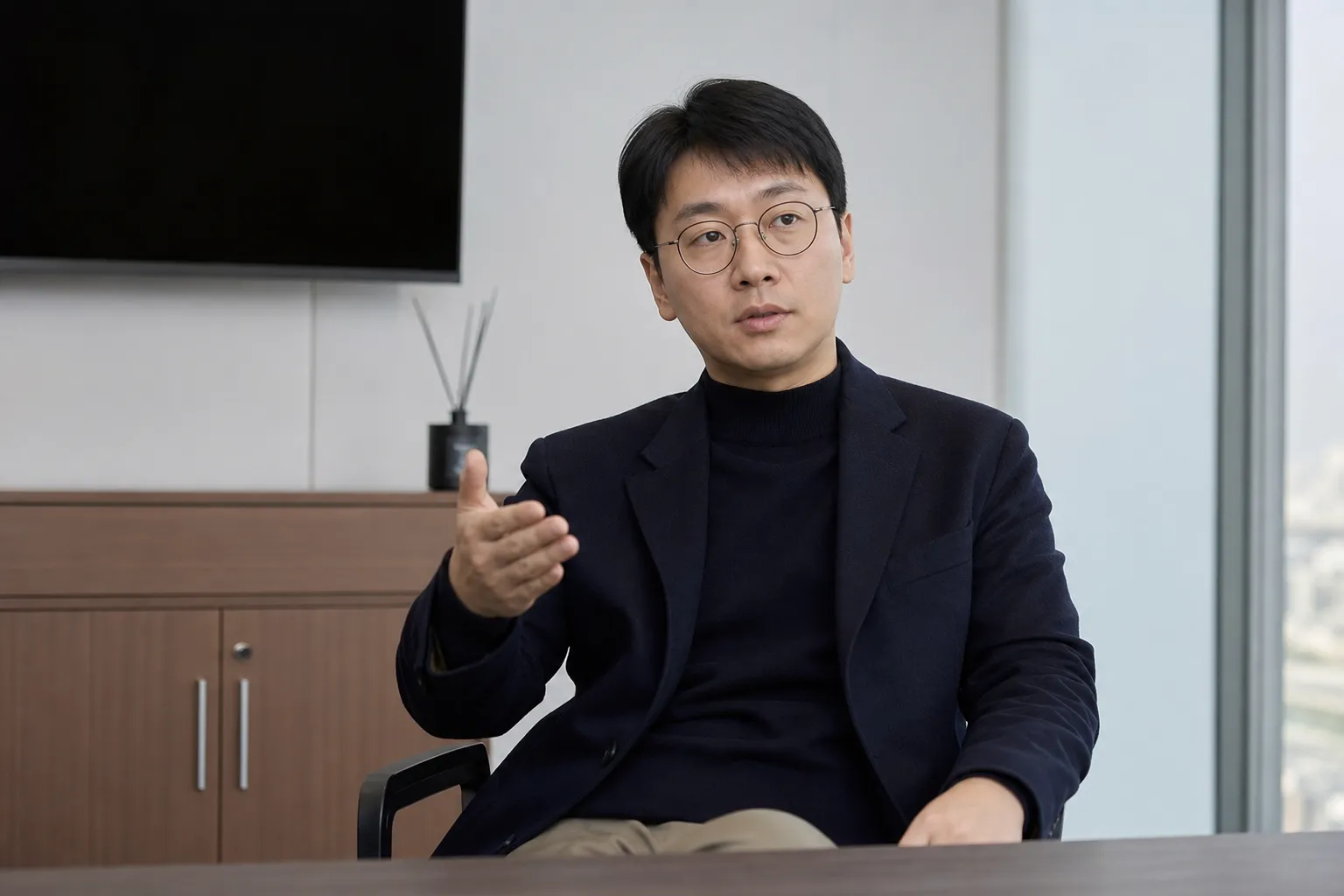
South Korean AI chipmaker Rebellions has decided to establish a regional headquarters in Riyadh, Saudi Arabia. Company CEO Sunghyun Park cited energy availability, the development of AI infrastructure, and the country’s ambition to create a sovereign AI ecosystem as key factors in entering the Saudi market, Asharq Al-Awsat reports.
According to Park, the combination of these conditions makes Riyadh a suitable location for expanding Rebellions’ AI chip business. Saudi Arabia is also expanding its capacity to process computing workloads by investing in data centers and artificial intelligence projects.
Investment ties with Saudi Arabia
Park said that Saudi Aramco invested in Rebellions about two years ago. The company is also in talks with HUMAIN on strengthening technology supply chains for AI infrastructure.
The head of Rebellions described HUMAIN as one of the important organizations working in artificial intelligence in Saudi Arabia and globally. In his view, cooperation with HUMAIN could have a positive impact on the AI sector in the region.
More current news is available on the UA.News Telegram channel Telegram.
Cost of operating AI systems
Rebellions believes that competition in the AI chip market will be determined not only by token processing speed, but also by the long-term cost of operating such systems. Park said the company aims to deliver higher AI performance at lower economic costs.
The company mainly focuses on inference — the use of already trained models. According to Park, the cost of processing one token is becoming an important metric for customers. It is affected by electricity prices and chip energy efficiency, as data center power consumption is increasing.
Seoul’s budget plans
South Korea this week proposed a 2027 budget of 821 trillion won, or $596.92 billion. This is 12.8% higher than the current year’s budget. A significant portion of spending is planned for artificial intelligence, semiconductors, and related infrastructure.
The proposal includes 21.3 trillion won for industrial water supply systems, power grids, and logistics for next-generation semiconductor infrastructure, as well as 2.6 trillion won in a special budget for the chip industry. Samsung Electronics and SK Hynix reported significant profits amid global demand for high-bandwidth memory used in AI systems.




