
What Apple Will Unveil on September 9: iPhone Ultra, New Apple Watches, AirPods

On September 9, Apple will hold its main fall event of 2026 under the slogan “Surprise and shine.” The event will begin at 8:00 p.m. Kyiv time at the Steve Jobs Theater in Apple Park. It is at this event that the company is expected to unveil new iPhones, Apple Watches, and AirPods, and the main highlight could be Apple’s first-ever foldable smartphone.
This year’s event will have another symbolic moment: it will be Apple’s first major product launch since the company’s leadership change. On September 1, John Turnus officially succeeded Tim Cook as CEO. Cook, who led Apple for 15 years, remained with the company as executive chairman of the board of directors. Turnus previously oversaw Apple’s hardware division and was directly involved in the development of the iPhone, Mac, Apple Watch, and other key products.
Therefore, the September 9 presentation will be more than just another update to the device lineup. For the new CEO, it will be his first major test in front of investors and users, and Apple itself may radically change the familiar structure of the iPhone for the first time in many years.
UA.News breaks down which gadgets the company might unveil in just a few days and what’s known about them from the latest leaks.
iPhone Ultra: Apple May Unveil a Foldable iPhone for the First Time
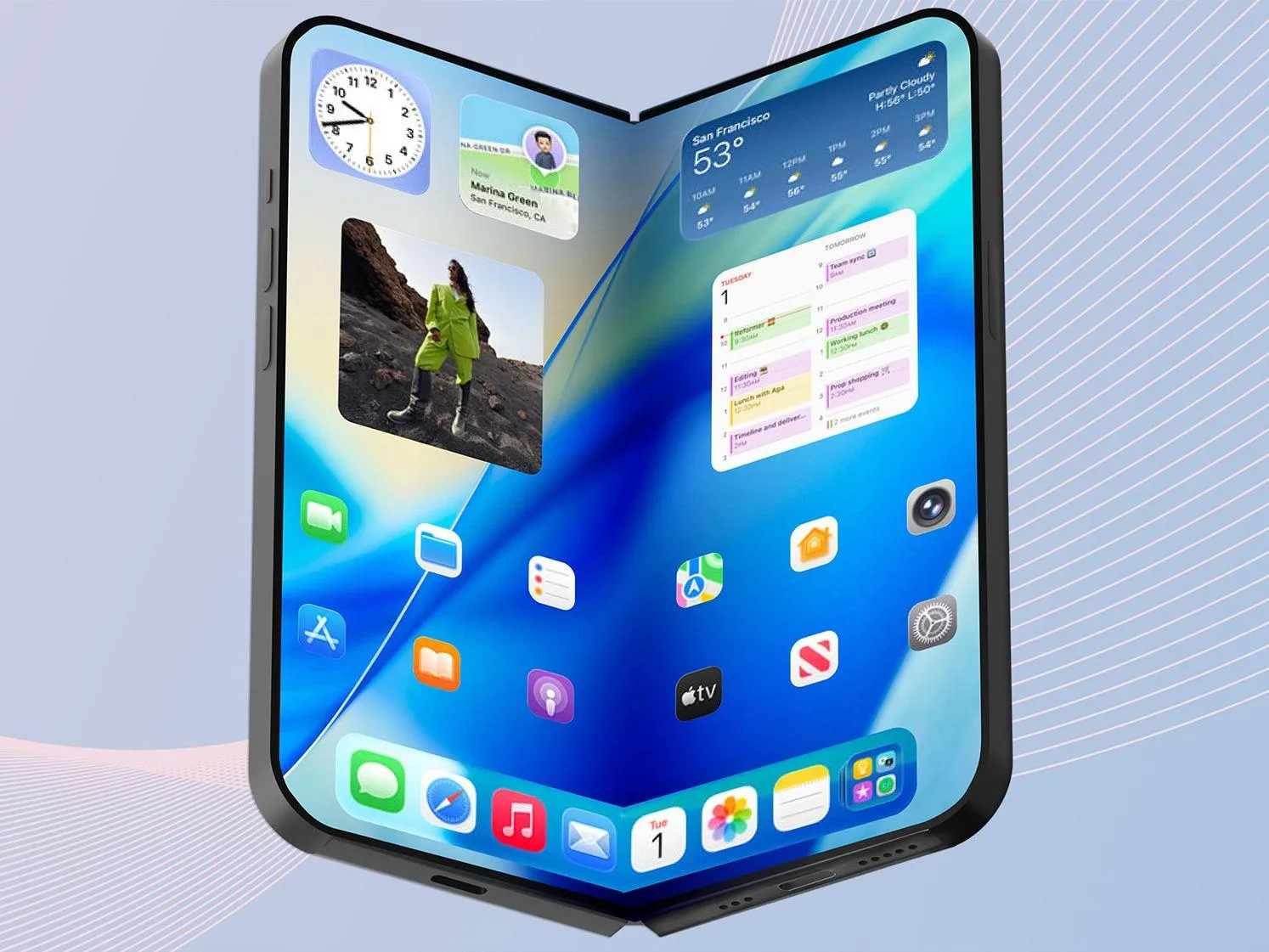
The main highlight of the September 9 presentation is expected to be a device that Apple fans have been waiting for for many years. According to MacRumors, the company is preparing to unveil its first clamshell-style foldable iPhone.
The smartphone’s official name is still unknown, but leaks are increasingly referring to it as the iPhone Ultra. This is how Apple might distinguish the new model from the traditional Pro and Pro Max models.
When folded, the smartphone is expected to feature an external OLED display with a diagonal of approximately 5.5 inches. When unfolded, the user will have a screen measuring about 7.7–7.8 inches, meaning the device will be roughly the size of a small iPad. The design will be similar to the Samsung Galaxy Z Fold: the phone will fold vertically, like a book. Rumor has it that Apple has been testing this exact form factor for several years.
One of the main challenges with foldable smartphones remains the crease in the middle of the display. Apple has reportedly spent a significant portion of its development time specifically on making it as inconspicuous as possible. According to the Financial Times, the company’s work on the foldable device may have lasted about eight years. According to leaks, the iPhone Ultra will be extremely thin. When unfolded, half of the device could be about 4.5 mm thick, and when folded, the smartphone could be about 9 mm thick.
However, to achieve this thinness, Apple will have to make some compromises. One of the most notable compromises is the possible return of Touch ID. The foldable iPhone may not feature Face ID. Instead, the fingerprint scanner will be integrated into the side button, as is already the case with some iPad models.
The cameras may also be simpler than those on the Pro Max. The foldable iPhone is rumored to feature two 48-megapixel cameras on the back instead of three. According to current leaks, there may not be a separate telephoto lens for optical zoom. Performance is expected to be handled by the new A20 Pro chip, manufactured using TSMC’s 2-nm process. The smartphone is also rumored to have about 12 GB of RAM.
iOS 27 will play a special role. The system may gain features specifically designed for the large screen—such as the ability to run two apps side by side, enhanced multitasking, and interfaces that are partially similar to iPadOS.
The most debated issue remains the price. According to analysts’ estimates, the starting price of the first foldable iPhone could exceed $2,000. This would make it the most expensive Apple smartphone in history and, at the same time, the company’s attempt to enter a segment where Samsung, Huawei, Honor, and other manufacturers have been operating for many years.
iPhone 18 Pro and Pro Max: Focus on the Camera, Battery, and 2-nm A20 Pro

Alongside the foldable smartphone, Apple is expected to unveil the traditional iPhone 18 Pro and iPhone 18 Pro Max. Unlike the Ultra, no revolutionary design changes are expected here just yet.
According to The Verge, Apple will retain the overall design concept of the previous generation but will update certain elements of the display, camera, and internal components. One of the noticeable changes could be a smaller Dynamic Island. Apple is gradually working on moving the Face ID components under the display, although the company will most likely still be unable to completely hide the notch by 2026.
The biggest updates will be under the hood. The iPhone 18 Pro and Pro Max are expected to feature the A20 Pro—Apple’s first mobile processor manufactured using a 2-nm process.
The transition to this new technology should not only increase speed but also reduce power consumption. This is particularly important given the growing number of AI features that Apple is gradually bringing directly to the devices.
The iPhone 18 Pro Max may also feature a larger battery. According to MacRumors, this could make the smartphone slightly thicker than its predecessor.
However, the main upgrade for the Pro Max could be a camera with a variable aperture. In standard smartphones, the camera’s aperture has a fixed size. The new system will allow for mechanical adjustment of the amount of light hitting the sensor.
This will provide greater control when shooting in low light and in bright conditions, as well as allow for more natural control over depth of field. In one scenario, the variable aperture will be exclusive to the iPhone 18 Pro Max. However, this information remains at the rumor stage for now.
Apple may also simplify the Camera Control button, which was introduced several generations ago. Some of the touch gestures may be removed, leaving a more traditional press. Among the new colors mentioned are Light Blue and Dark Cherry.
There may not be a base-model iPhone 18 this fall at all
The most unusual change in the 2026 launch event may not be what Apple shows, but what it doesn’t show. According to several sources, the base-model iPhone 18 will not be featured at the September 9 event.
As MacRumors reports, Apple has decided to split the smartphone launch into two seasons. This fall, the company will focus on the most expensive models—the iPhone 18 Pro, iPhone 18 Pro Max, and the foldable iPhone Ultra.
The standard iPhone 18, on the other hand, may be postponed until spring 2027. Along with it, the iPhone 18e and the next-generation iPhone Air are expected. If Apple does indeed adopt this model, it will be one of the biggest changes to the iPhone release schedule in the smartphone’s history.
Previously, customers received the entire main lineup at once in the fall. Now, Apple could effectively create two sales cycles: premium models in the fall and more affordable ones in the spring. For the company, this is also a way to spread attention toward the iPhone over a larger portion of the year, rather than concentrating nearly all sales of the new generation around a single September launch.
New iPhones may become significantly more expensive
In addition to technological innovations, the presentation may bring another, less pleasant change—higher prices. Apple is expected to raise the starting price of the Pro models. Exact figures vary depending on forecasts, but most analysts expect prices to rise.
One reason is the rising cost of components—primarily memory and new processors. The transition to 2-nm chips also adds to the costs, as their production is initially more expensive than previous manufacturing processes.
The foldable model will be particularly expensive. The Financial Times notes that its price could exceed $2,000, which effectively puts the iPhone in the same price category as Apple’s premium laptops.
For Apple, this is an important experiment: the company will test how high it can raise the upper price limit for a smartphone without losing demand among its most loyal users.
Apple Watch Series 12: More Focus on Health Without a Radical Redesign
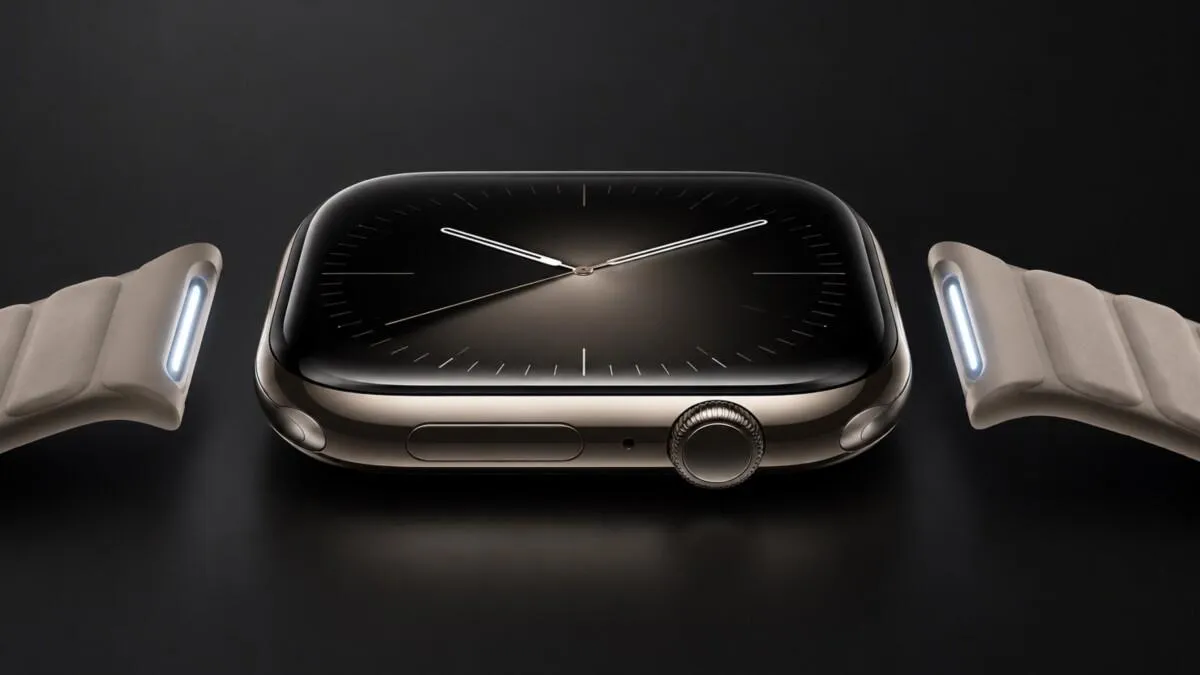
Along with the new smartphones, Apple will almost certainly unveil the Apple Watch Series 12. According to MacRumors, no major design changes are expected for the watch. Instead, Apple may bring back the ceramic case it previously used in earlier generations of the Watch.
Inside, there will be a new processor—the S11 or a newer model. It is expected to boost performance and energy efficiency, but the main focus will once again be on health.
Apple is testing a system for nearly continuous heart rate monitoring throughout the day. Currently, the Apple Watch measures heart rate periodically in the background or continuously during workouts. The new system could collect significantly more data and provide a more detailed picture of the user’s condition.
Conceptually, this will resemble the approach taken by the Oura Ring and other devices that analyze not a single metric, but the body’s overall condition, exertion, and recovery. Meanwhile, Touch ID—which had previously been rumored—does not appear to be coming to the Series 12.
Apple Watch Ultra 4 Will Get More Features Without Cellular Connectivity
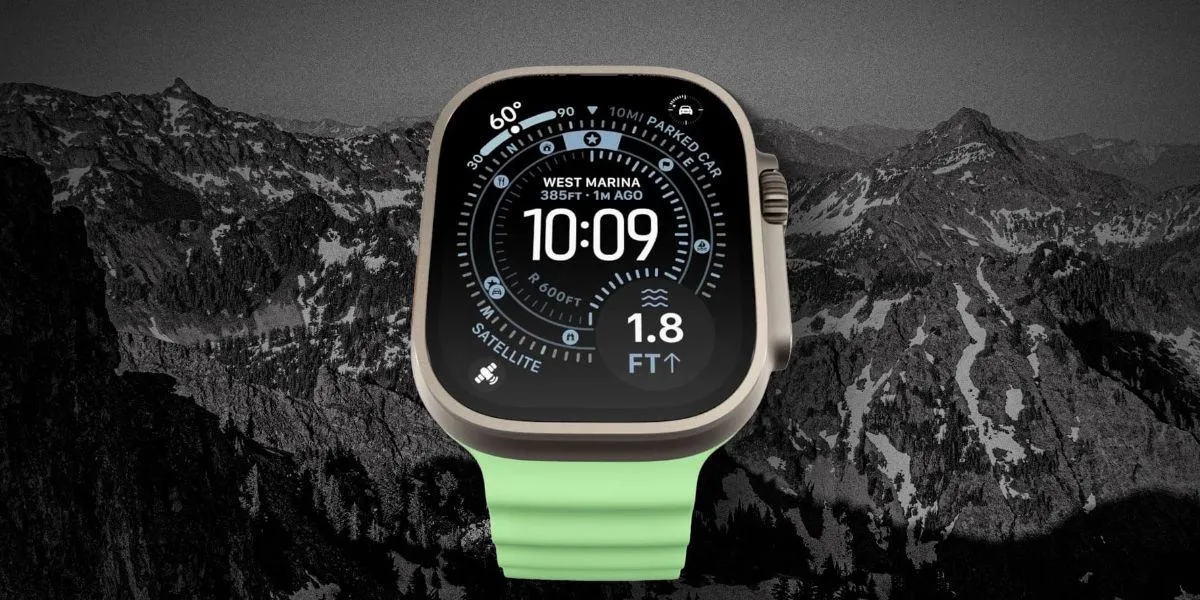
At the same time, the company may unveil the Apple Watch Ultra 4. Externally, the new model will likely remain very similar to the previous generation. The main changes will involve the processor, health features, and satellite capabilities.
According to MacRumors, Apple is working on expanding the watch’s capabilities in areas without cellular coverage. Potential new features include satellite-based Apple Maps and the ability to send and receive photos in Messages via a satellite connection.
To the average user, this might seem like a minor feature, but for the Ultra, it makes perfect sense.
Apple positions this watch for hiking, the mountains, the ocean, and other places where cellular coverage is often unavailable. Therefore, the gradual transformation of the Ultra into a standalone satellite communicator could become one of the main directions for the model’s development.
AirPods 5 may be released in two versions at once
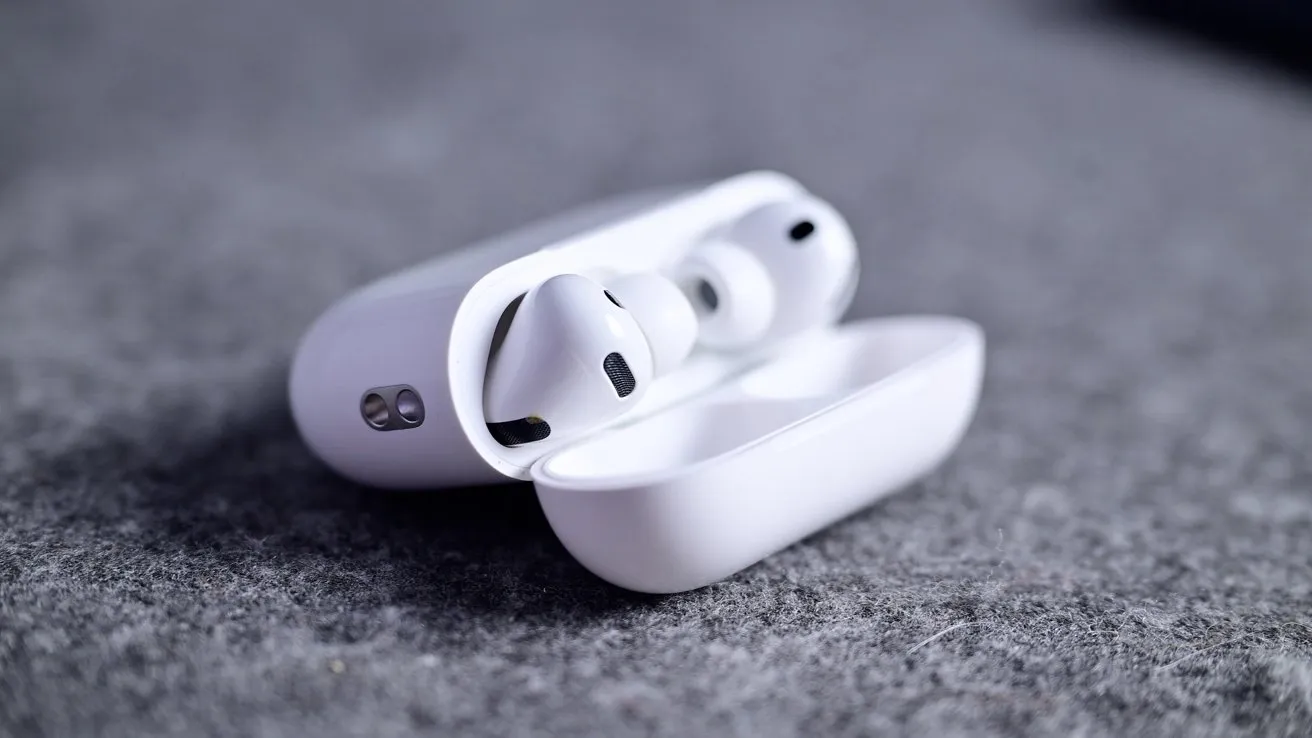
Another almost expected announcement is the AirPods 5. References to the new generation of earbuds have already been found in Apple’s software, and MacRumors reports that the company may unveil them alongside the new iPhones.
Apple will likely continue to offer two versions of the earbuds. The cheaper model will not feature active noise cancellation, while the more expensive one will include ANC. The main technical upgrade is expected to be the new H3 chip. It should improve sound quality, reduce latency, and lower power consumption.
That said, the AirPods 5 will most likely not feature any radical new functions. In particular, the long-rumored AirPods with built-in cameras for Visual Intelligence and AI aren’t expected until at least 2027.
Therefore, the AirPods 5 will most likely be a traditional evolutionary update.
Apple may unveil a new home hub
After the iPhone, Apple Watch, and AirPods, we enter the realm of less reliable predictions. One of the most interesting potential announcements is a new Apple smart home control hub.
According to MacRumors, the company is working on a device with an approximately 7-inch square display, a camera, and presence sensors. In terms of form factor, it will be something between an iPad, a HomePod, and an Amazon Echo Show. The device will be able to control a smart home system, display a calendar, photos, and widgets, play music, and use FaceTime.
Crucially, this home hub could be one of the first devices built around the next generation of Siri and Apple Intelligence. The system will be able to detect who is standing in front of the screen and display personalized information for that specific user.
However, Apple may save this device for a separate fall event.
Apple TV and HomePod mini may also get updates
Apple hasn’t updated the Apple TV or HomePod mini in a long time, so these devices remain candidates for an announcement. The new Apple TV is expected to feature a faster processor, more RAM, and a new networking chip with Wi-Fi 7 support.
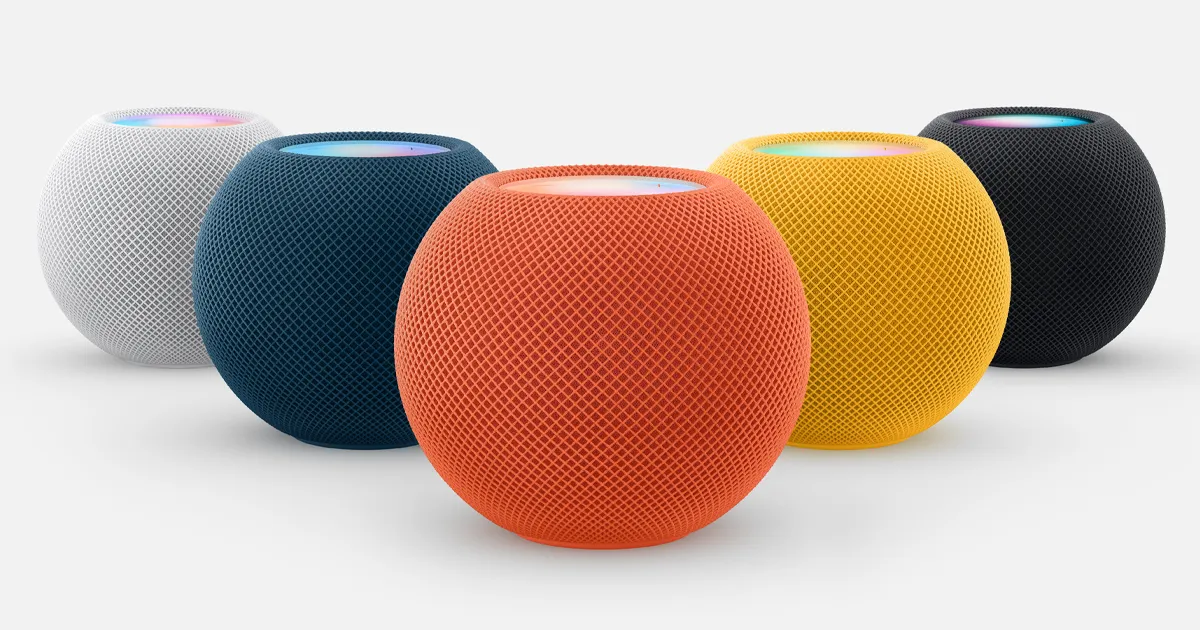
The HomePod mini may get a newer processor, improved sound, and tighter integration with the new Siri. However, MacRumors notes that Apple may postpone some of its home devices until October.
The company traditionally tries not to overload its September event with secondary products, as the main focus during this period is on the iPhone and Apple Watch.
Macs and iPads will likely have to wait longer
Apple will most likely not unveil new MacBooks, iMacs, or some iPads on September 9. The company is preparing several major Mac updates, including upcoming MacBook Pro models with OLED screens and a new design.
An updated iPad mini with an OLED display is also expected. However, according to MacRumors, most of these products will be released later in 2026 or as late as 2027.
Therefore, the iPhone will still be the central focus of the September 9 event.
And this year, the event will carry much greater significance than just the annual smartphone refresh. Apple is holding its first major event under the leadership of John Turnus, may change the iPhone release schedule for the first time in many years, and is entering the foldable smartphone market many years after its competitors.
For the new CEO, this is a chance to immediately showcase a product that is significantly different from the familiar iPhones. For Apple itself, it’s a test to see if users are willing to pay over $2,000 for a new form factor.
On September 9, it will become clear which of the months-long leaks turned out to be true, and which Apple managed to keep as mere rumors right up until the last minute.


