
AI images in restaurant menus may make visitors uncomfortable — TechCrunch
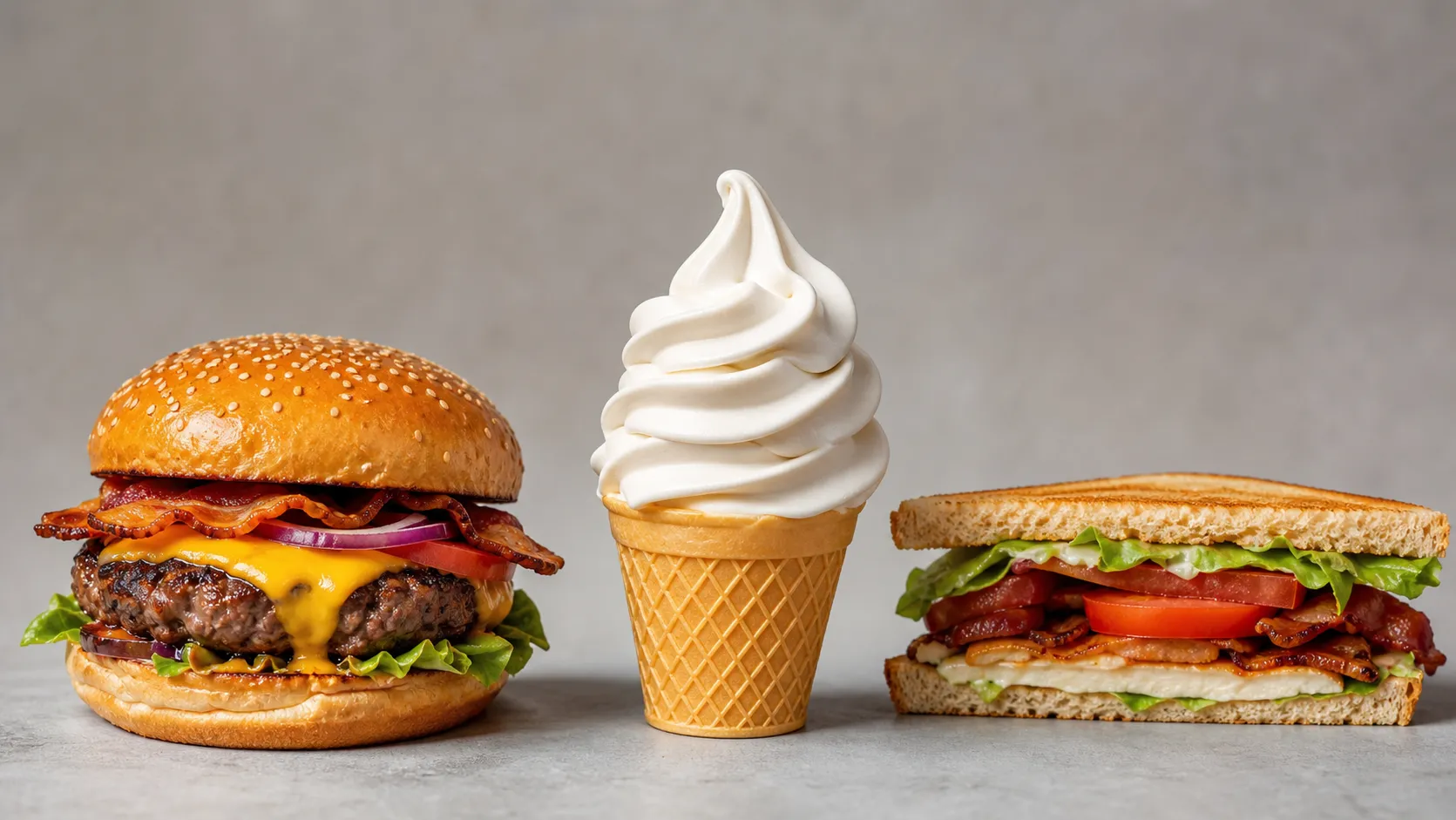
Generative artificial intelligence is being used to design restaurant menus, but AI-generated food images may seem unnatural to visitors and cause discomfort. TechCrunch reports that such illustrations are often marked by excessive symmetry, smoothness, and idealized food shapes.
Alex Lyle, chief technology officer at Reality Defender, explained that image generators reproduce established visual patterns but do not always account for basic principles of how dishes should look. As a result, images may feature unnaturally round scoops of ice cream or shrimp with deformed tails.
Why images become uniform
Large language and diffusion models underlying chatbots and image generators such as ChatGPT and Midjourney are trained on vast datasets and identify patterns within them. If a model is asked to create a menu for a fast-food establishment, it may draw on the styles of popular chains, including Wendy’s, Burger King, or McDonald’s.
Menus and food advertising already use similar aesthetics, presenting dishes as attractively as possible. Lyle noted that, because of the training data, many such results resemble a Chili’s menu from 2015. According to Lee Rainie, director of the Imagining the Digital Future Center at Elon University, optimizing models for a “pleasant” and inoffensive outcome may contribute to visual uniformity.
More current news is available on the UA.News Telegram channel Telegram.
Consequences of repeated edits
An X user using the pseudonym Labtec showed an experiment in which a menu created in ChatGPT was edited 100 times. After numerous edits, the food images increasingly resembled real dishes less; TechCrunch reported that it repeated the experiment and obtained a similar result.
Lyle called this deterioration convergence: it reduces the quality of results but is not identical to model collapse. Collapse can occur when models are trained on an excessive amount of their own generated content. In menus, repeated changes to small details, such as prices or item names, can gradually make illustrations smoother and rounder.
Researchers at the University of Duisburg-Essen in Germany identified an “uncanny valley” effect for AI-generated food images: pictures that almost looked real caused more disgust and anxiety than obviously artificial ones. Rainie also noted that people often intuitively notice the difference between a real image and an AI-generated result, even if they cannot clearly explain it.


