
Archaeologists in Jerusalem have discovered a massive tunnel of unknown purpose – video
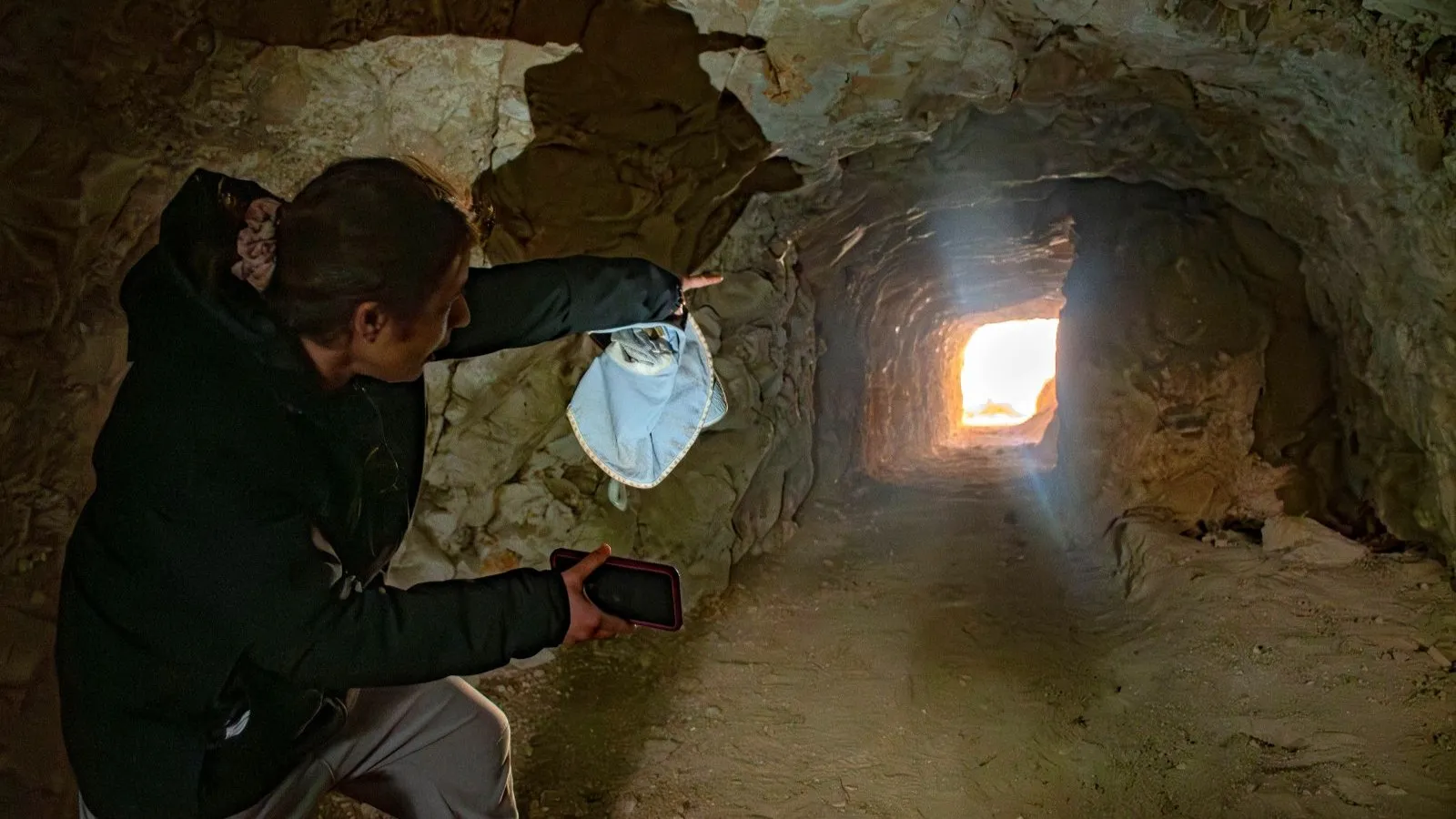
During extensive archaeological excavations in southern Jerusalem, near the famous historical site of Ramat Rachel, researchers stumbled upon a monumental underground structure that has raised many complex questions for the scientific community.
Archaeologists were exploring a rocky area with natural karst cavities when they discovered a tunnel artificially carved into the solid rock inside one of them.
So far, researchers have managed to clear and study a section of the tunnel about 50 meters long. The rest of it remains buried under a thick layer of rock due to ancient collapses, so the true length of the underground passage remains a mystery for now. While clearing the site, experts were struck by its scale: in some places, the vaulted ceiling reaches five meters in height and three meters in width. Constructing a structure of this size in solid rock required enormous human resources, time, and engineering effort for that era.
The main mystery of the discovery is its purpose and exact age. Archaeologists have not found any household artifacts, coins, or pottery inside that could indicate the date of construction. Since cultural layers from different eras are located nearby, the tunnel’s age could theoretically range widely—from the Iron Age (the First Temple period) to the Islamic period. Currently, scientists have put forward three main working hypotheses regarding the structure’s purpose:
Water Supply Hypothesis: The structure may have been part of a complex ancient system for collecting, accessing, or transporting groundwater to nearby settlements or the Ramat Rachel palace complexes.
Agricultural-production hypothesis: the space may have been used as an underground storage facility for agricultural produce, wine, or oil, where a stable temperature was naturally maintained.
Quarry hypothesis (most likely): architectural features suggest that high-quality chalk rock may have been mined here on a large scale. Fragments of worked stone and a vertical shaft, which is ideal for ventilating the underground space during prolonged work, support this version.
None of these theories has yet been definitively confirmed by science, so excavations and a thorough examination of the tunnel walls are ongoing.
This is reported by the Israel Antiquities Authority.
In Italy, during the construction of a highway, workers stumbled upon the remains of an ancient sanctuary dating back to the 5th century BCE. The unique discovery was made near the town of Pons, located approximately 72 kilometers from Venice. After the artifacts were discovered, large-scale archaeological research began immediately at the site.


