
August 12: The Feast Day of Anicetus and Photinus
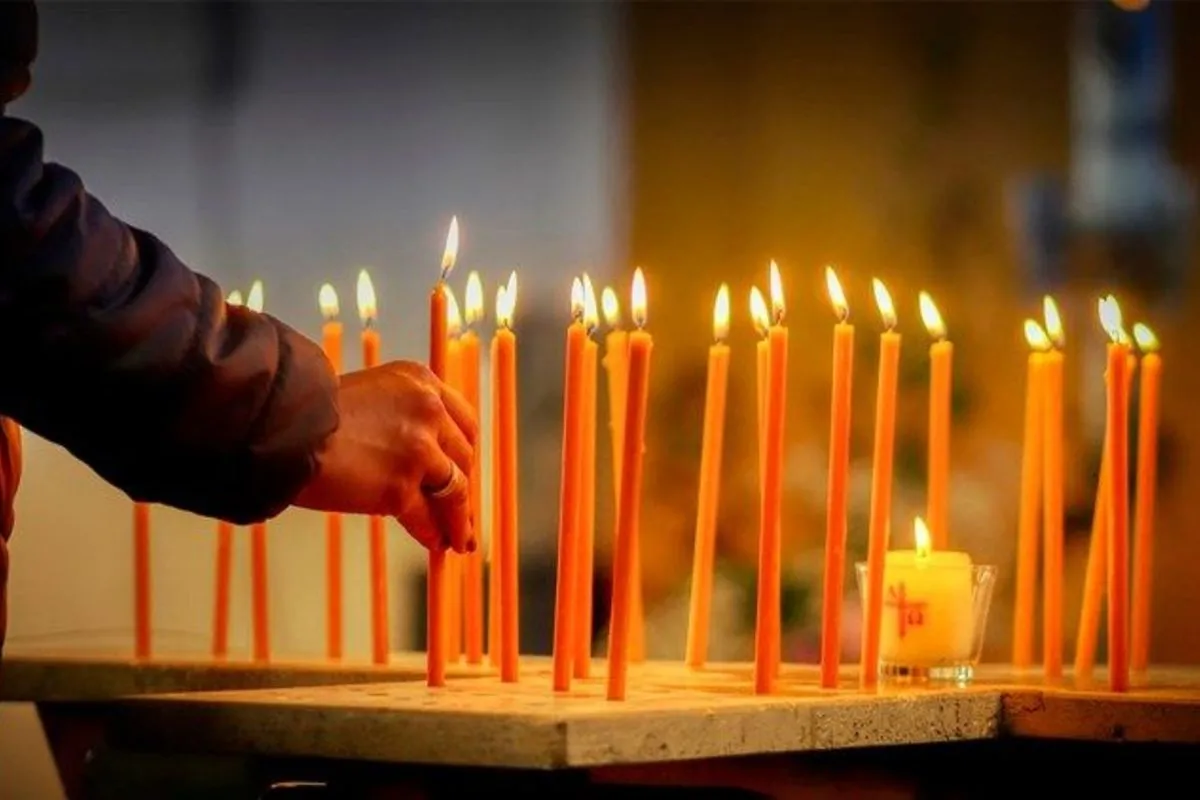
On Wednesday, August 12, 2026, according to the New Julian calendar, Orthodox Christians commemorate the holy martyrs Anicetus and Photius. They lived in Nicomedia during the reign of Emperor Diocletian, when Christians were subjected to brutal persecution. On this day, believers commemorate their courage and devotion to the Christian faith.
Saints Anicetus and Photius lived in Nicomedia in the late 3rd to early 4th centuries. This was a city in Asia Minor, where Christians were persecuted during the reign of Emperor Diocletian. Anicetus served in the emperor’s army. He did not hide his faith and openly opposed the persecution of Christians. According to church tradition, Diocletian ordered Anicetus to be tortured and then thrown to the wild beasts. However, the lion did not attack the saint.
After that, according to tradition, several miracles occurred. During an earthquake, a pagan temple was destroyed, and attempts to execute Anicetus failed one after another. They tried to break him on the wheel, burn him, and throw him into a cauldron of boiling metal. But each time he emerged unscathed. Seeing his relative’s suffering, his nephew Photios joined him. He, too, openly professed Christianity and refused to renounce his faith.
According to tradition, Diocletian tried to force both men to worship the pagan gods. The saints refused. “Look, your gods are nothing!” Photios said to the emperor. After that, Anicetus and Photios were tortured again. They were tied to wild horses, thrown into a scorching bath, and later ordered to be burned in a huge furnace. Church tradition holds that the fire did not harm the saints’ bodies. Their story became an example of steadfastness for other Christians, who also refused to renounce their faith.
Why Is the Feast Celebrated on August 12?
The OCU switched to the New Julian calendar on September 1, 2023. As a result, the dates of many fixed church holidays have changed. According to the new calendar, the commemoration of the martyrs Anicetus and Photius falls on August 12.
On this day, believers can visit a church, pray, and commemorate the saints. Church tradition places special emphasis on the power of faith, courage, and the ability to remain true to one’s convictions even in difficult circumstances.
Folk Omens for August 12
In the folk calendar, people also observed nature and the weather on this day. They used these observations to try to predict what the fall would be like and how the upcoming harvest would turn out. Among the old folk signs were the following:
- if there is a lot of dew in the morning, the coming week may be clear;
- if there is fog over the forest—a bountiful mushroom harvest was expected;
- if the weather is cloudy—Indian summer, according to folk observations, was expected to be short;
- the first frost was considered a sign of a good harvest of winter crops, garlic, and onions.
These signs are part of folk beliefs and have no scientific basis.
What Not to Do on August 12
According to folk tradition, on this day people were advised to avoid quarrels, insults, and foul language. It was also believed that one should not refuse to help someone if they truly need it. Other folk taboos include loud celebrations and alcohol abuse. There was also a belief that after sunset, it was best not to lend or borrow money. At the same time, these prohibitions are specifically part of folk beliefs. They are not church rules.


