
September 16 — the Feast Day of Saint Euphemia the All-Praised and Ancient Fall Traditions
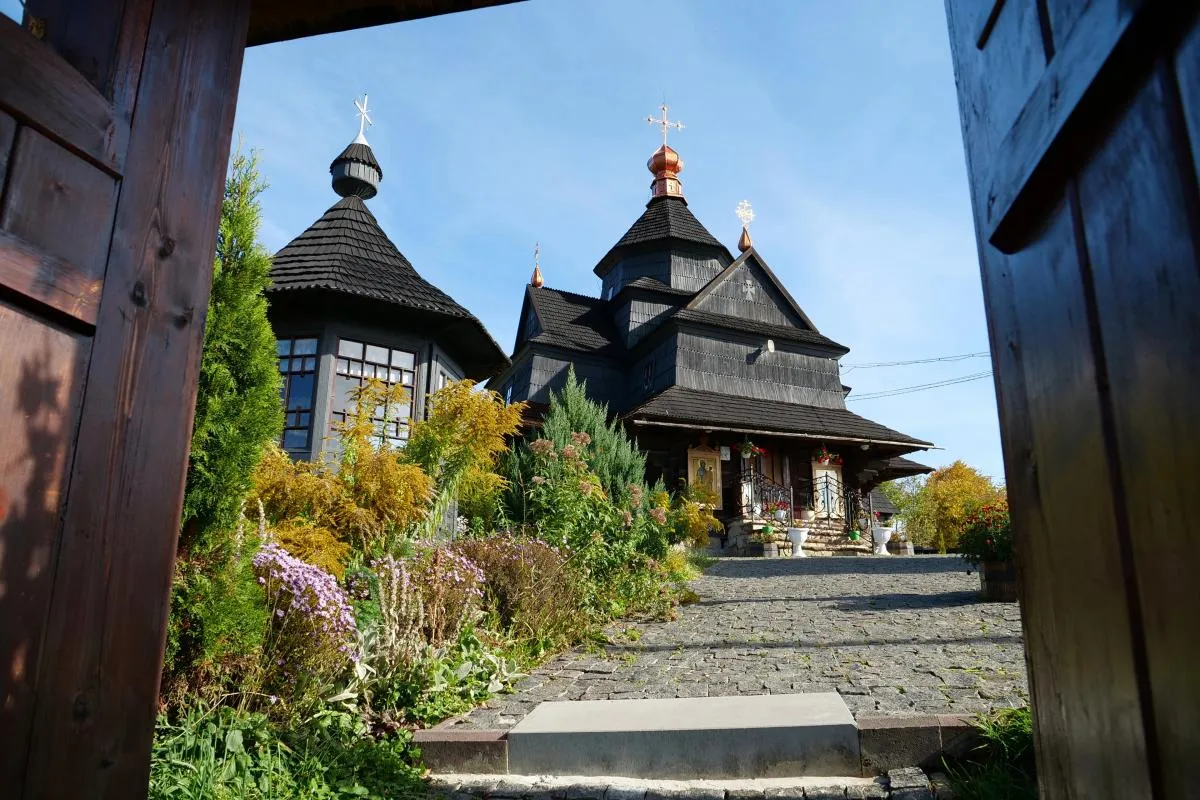
On September 16, Orthodox Christians in Ukraine, following the new calendar, commemorate the Great Martyr Euphemia the All-Praised. Traditionally, this day has been associated with cleaning the home, taking care of one’s health, and preparing for fall. At the same time, many of the traditions and taboos that have survived to this day are actually folk beliefs rather than church rules.
On Wednesday, September 16, 2026, Orthodox and Greek Catholics will honor the Great Martyr Euphemia the All-Praised. Her commemoration is included in the official calendars of the OCU and the UGCC for this year. Euphemia lived in Chalcedon, an ancient city on the shores of the Bosporus, and died for the Christian faith around the year 304, during the persecution of Christians under Emperor Diocletian. According to church tradition, she refused to worship pagan gods, for which she was tortured. They attempted to throw her to wild beasts, but the animals did not attack the saint. According to the legend, the fatal wound was inflicted by a she-bear.
After Euphemia’s death, a church was built near her grave. Many years later, this very church became the site of an important event in the history of Christianity—the Fourth Ecumenical Council in 451. The council took place in Chalcedon and was dedicated, in particular, to the doctrine of Christ’s divine and human natures.
A well-known church tradition about a miracle that occurred during this council is also associated with Euphemia. According to the legend, the bishops placed two scrolls containing different creeds into the saint’s tomb, and after prayer, one of them reportedly appeared in Euphemia’s right hand, while the other lay at her feet. For believers, this became a sign confirming the correctness of Orthodox doctrine. That is why Euphemia is especially revered as the protector of the Christian faith.
What to Do on September 16 for Good Health
In folk tradition, Euphemia’s Day was associated with caring for one’s health. One of the common customs was visiting a bathhouse or having the entire family wash thoroughly. It was believed that in this way, a person would wash away fatigue, illness, and all the negativity that had accumulated over the summer. In some descriptions of these traditions, this custom is directly linked to the wish to remain healthy throughout the coming year.
Nowadays, this tradition can be interpreted much more simply. You can dedicate September 16 to your own well-being: get a good night’s sleep, take a shower or a bath, go for a walk, put off unnecessary tasks, and simply let your body rest. If possible, it’s helpful to pay attention to your diet and fluid intake. And if you’ve been struggling with a health issue for a long time, it’s best not to rely on superstitions but to see a doctor.
Our ancestors also considered it important to keep the house clean. That’s why on this day they would get rid of unnecessary items and tidy up their living quarters, utility rooms, and pantries. It was believed that a clean home helps get rid of not only dirt but also troubles. In folk accounts of St. Euphemia’s Day, this custom is linked to the desire to ensure the family’s well-being in the fall.
What traditions existed on this day
September 16 also had another name among the people—Euphemia “Bird Bone.” This name was associated with an old custom of divining the future winter by examining the bones of poultry. Today, this tradition is viewed more as part of folklore than as a way to actually predict the weather. Such customs were widespread in rural communities, where people closely observed nature and looked for signs of the coming winter in its changes.
Another activity during this period was preparing for the cold weather. September already felt like the beginning of fall, so people cleaned out their storage areas, checked their supplies, and prepared for the change in weather. They paid special attention to food that needed to be preserved for the cold season. Customs varied by region, so not all traditions now associated with September 16 were the same for all Ukrainians.
People also paid close attention to the weather and the behavior of animals. For example, large anthills were considered a sign of a coming harsh winter. If it was warm at this time, people could expect the cold weather to arrive late. Such observations were part of the folk calendar, but today they should not be taken as an accurate weather forecast.
What to Do on September 16
On this day, believers may go to church to pray. In prayers to Saint Euphemia, people traditionally ask for spiritual strength, help in difficult situations, and good health. The church service on this day is dedicated specifically to the Great Martyr and her heroic deeds. The official calendar also marks her commemoration on September 16 alongside other saints.
It’s good to spend the day peacefully, without unnecessary hustle and bustle or conflicts. You can tidy up your home, get rid of things you haven’t used in a long time, prepare a healthy meal, or simply spend time with your family. If possible, try to spend more time outdoors. You can also use this day as an opportunity to check on your health, especially if you’ve been putting off a preventive checkup for a long time.
Folk tradition also advised wrapping up old business and not leaving a mess behind. This applied not only to the home but also to relationships between people. Therefore, September 16 is a good day to reconcile with loved ones, have a heart-to-heart conversation, or help someone in need. In the church tradition, what matters most is not the observance of the superstition itself, but a person’s sincerity, their attitude toward others, and prayer.
What Not to Do on September 16
Folk traditions advised against quarreling, using foul language, or gossiping on this day. It was believed that harsh words could cause problems not only for another person but also for the one who speaks them. It was also advised not to envy others’ well-being or wish ill upon anyone. At the same time, these are merely folk warnings, not a list of official church prohibitions.
Nor should folk prohibitions be taken literally. For example, if a person needs to work, seek medical treatment, travel for business, or perform routine household chores, the church calendar does not automatically make these activities “sinful.” It is far more important not to turn a holiday into an excuse for quarrels, cruelty, or disrespect toward others.
It’s also important to keep your health in mind. Folk beliefs can be an interesting part of cultural heritage, but they are no substitute for medical care. If you have a fever, pain, vision problems, dental issues, or other symptoms, you shouldn’t wait for a specific date or try to cure yourself using only traditional methods.
Folk Superstitions for September 16
Our ancestors paid special attention to nature on this day. It was believed that the twinkling of the stars could foreshadow a change in the weather. If September 16 was warm, a late winter was expected. And large anthills were said to indicate upcoming severe frosts.
Another tradition of the day was observing birds and other animals. In an era without modern weather forecasts, such observations helped people roughly estimate what fall and winter might be like. Some of these folk signs have survived in folklore to this day. However, there is no scientific basis for using them as an accurate forecast.
What holiday fell on September 16 according to the old calendar?
According to the Julian calendar—known as the “old style”—the commemoration of the Great Martyr Euphemia falls on September 29 in the modern Gregorian calendar. That is why, in old calendars or historical records, you may find September 29 listed as the date for this same church holiday.
The difference arose due to the calendar shift between the Julian and Gregorian calendar systems. After the transition to the New Julian calendar, fixed church dates in Ukraine shifted 13 days earlier. Therefore, what fell on September 16 according to the old style corresponds to September 29 in the modern calendar, while the feast of Euphemia is celebrated on September 16 according to the new style.
Thus, September 16, 2026, is the day of remembrance for the Great Martyr Euphemia the All-Praised. On this day, you can pray, visit a church, help loved ones, tidy up your home, and pay attention to your own well-being. As for the tradition that bathing on this day supposedly ensures good health for the entire year, it should be viewed simply as an ancient folk belief—a pleasant symbol of self-care, but not a medical guarantee.




