
On July 25, Orthodox Christians commemorate the Dormition of the Righteous Anna: traditions and customs
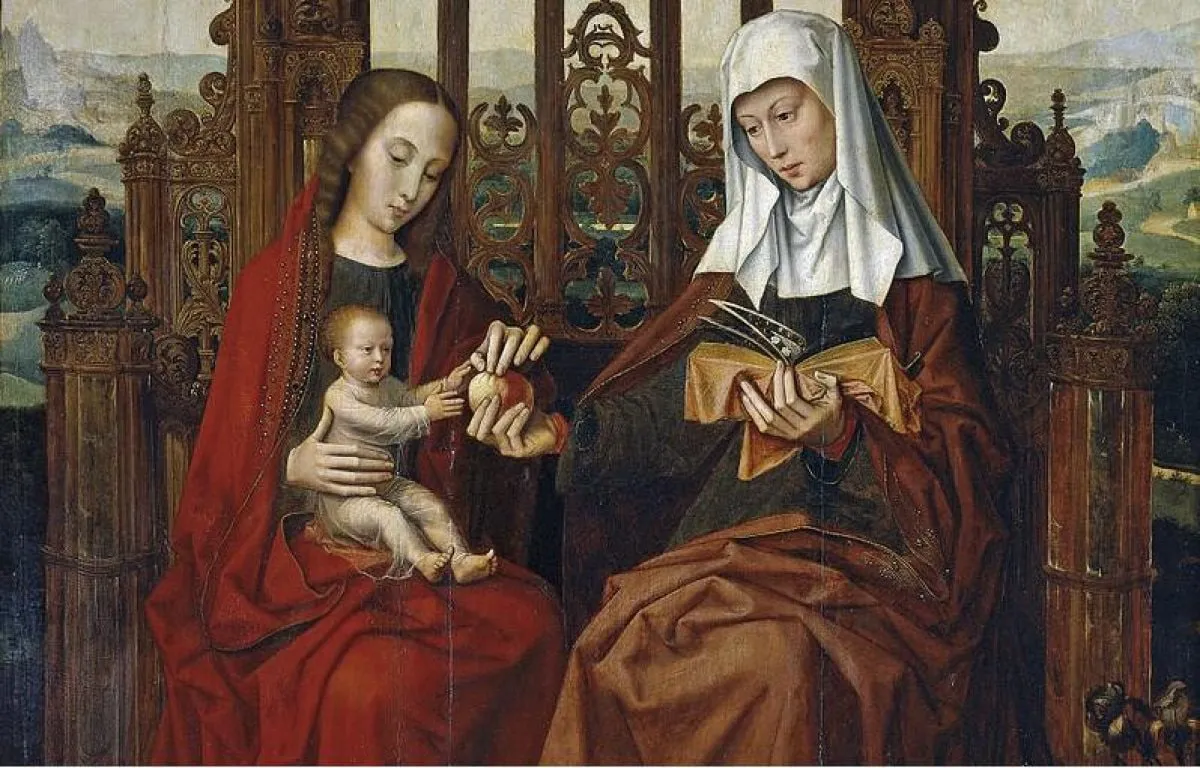
On July 25 according to the New Julian calendar, the Orthodox Church of Ukraine commemorates the Dormition of the Righteous Anna—the mother of the Most Holy Theotokos. Saint Anne is considered the patroness of mothers, married couples, and all who pray for the birth of children, family well-being, and peace in the home.
According to church tradition, the Righteous Anna and her husband Joachim were childless for a long time. After sincere prayers, the couple received word from an angel of the birth of their daughter Mary, who later became the Mother of Jesus Christ. In the Church’s tradition, the Dormition of the Righteous Anna symbolizes a peaceful conclusion to earthly life and faithfulness to God.
In addition to the Righteous Anna, on this day the Church also honors Saint Olympias, the deaconess; the Venerable Eupraxia of Taven; and commemorates the Fathers of the Fifth Ecumenical Council.
On this feast day, believers pray for the health of children, a happy motherhood, a strong family, and well-being. Divine services are held in churches; believers light candles, pray for their loved ones, and strive to do good deeds.
In folk tradition, the holiday is known as “Summer Anna” or “Winter-Forecasting Anna.” It was believed that after this day, the nights would grow cooler, and the weather on July 25 could indicate the nature of the coming winter. Specifically, a cold morning foreshadowed a harsh winter, rain—a snowy one, and a warm, dry day—a winter with little snow.
It was also customary on this day for housewives to prepare dishes with new potatoes, go to the forest to pick mushrooms, and the day was considered auspicious for weddings, matchmaking, and the baptism of children.
The Church urges people to avoid quarrels, insults, envy, and refusing to help others on July 25. At the same time, folk beliefs advise against sewing, mending clothes and shoes, and arguing with older family members. Clergy emphasize that such everyday prohibitions are part of folk traditions, not church precepts.


