
September 30 — Saint Gregory's Day and Folk Sayings
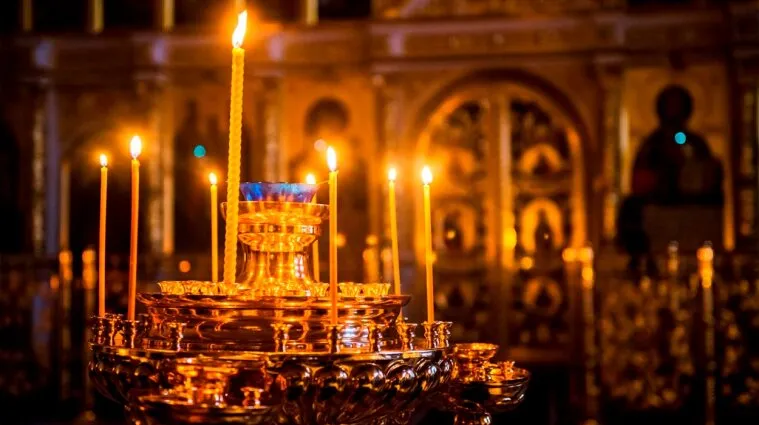
On September 30, according to the New Julian calendar, the Orthodox Church of Ukraine commemorates the holy martyr Gregory, bishop and enlightener of Greater Armenia. He is one of the most famous figures of early Christianity, whom church tradition associates with the spread of the Christian faith in Armenia. On this day, believers can attend divine services, pray to the saint, and reflect on his example of steadfastness in the faith.
September 30, 2026, marks the commemoration of the Holy Martyr Gregory, Bishop and Enlightener of Greater Armenia, in the church calendar. This date is officially listed in the calendar of the Orthodox Church of Ukraine. On this same day, the Church commemorates Saint Michael, the first Metropolitan of Kyiv and All Rus’, as well as the martyrs Ripsimia, Gayaniya, and 35 other holy virgins.
Gregory is also known as the Enlightener of Armenia. He lived at the turn of the 3rd and 4th centuries and played an important role in the Christianization of the country. Church tradition links his activities to the reign of King Tiridates III. According to legend, Gregory came from a noble family and found himself outside Armenia during his childhood. In Caesarea in Cappadocia, he embraced the Christian faith, started a family, and later began serving at the court of King Tiridates.

When the king learned that Gregory was a Christian, he demanded that he worship the pagan gods. Gregory refused. He was then subjected to brutal torture and thrown into a deep pit known as Khor Virap. According to church tradition, he spent about 13–14 years there. Despite the harsh conditions, Gregory survived. After his release, he continued to preach Christianity and, according to church tradition, converted many Armenians to the faith, including King Tiridates III. Later, Gregory was ordained a bishop and became one of the leading figures in organizing church life in Armenia.
Why Gregory Is Called the Enlightener of Armenia
Gregory’s name is closely associated with Armenia’s conversion to Christianity. According to the tradition of the Armenian Apostolic Church, in 301, during the reign of Tiridates III, Christianity was proclaimed the state religion of the country. It is Gregory’s work that is considered one of the main factors in this process. After his release from prison, he led the preaching of the new faith. Gregory organized church life, taught people Christian doctrine, and built churches.
That is why he is called the Enlightener. The Church honors him not only as a martyr for the faith but also as a bishop, preacher, and spiritual mentor. To this day, important Armenian holy sites are associated with the name of Gregory. In particular, the Khor Virap monastery complex preserves the memory of the pit where, according to church tradition, the saint spent years in captivity.
How Saint Gregory Is Honored
For the faithful, this day has, above all, spiritual significance. Divine services are held in churches, and the saint is commemorated in prayers as an example of courage, patience, and fidelity to the Christian faith. The official calendar of the OCU for September 30 includes liturgical texts for the feast day of the Holy Martyr Gregory.
On this day, you can visit a church, light a candle, pray for loved ones, and ask for strength for yourself. It is especially appropriate to turn to the saint in prayer when a person is going through a difficult time and needs fortitude. Church tradition does not require this day to be observed according to any specific ritual. The main thing is not to limit the celebration to mere external customs, but to devote time to prayer, good deeds, and helping others.
Folk Traditions and Superstitions for September 30
Apart from the church calendar, there are folk beliefs and weather omens associated with September 30. These are not church rules and have more of a cultural and folkloric significance. For example, folk calendars include the following sign: if it rains on this day, winter may be snowy. Dry weather, on the other hand, was associated with a late onset of cold weather.
Another well-known saying concerns cranes. It was believed that if they fly away during this period, the first frosts or snow might arrive on the Feast of the Intercession. People also paid attention to the morning. According to folk observations, overcast weather in the morning supposedly foreshadowed a warming trend throughout the day. Such signs were passed down from generation to generation, but today they should be viewed precisely as part of folk culture, rather than as an accurate weather forecast.
What folk beliefs advised against doing
In modern calendars and descriptions of folk traditions, various taboos are listed for September 30. In particular, on this day, people are advised not to quarrel, use foul language, gossip, or wish harm upon others. Envy, insults, and revenge were also considered undesirable. People were advised to spend the day peacefully and, if possible, to help those in need.
Some popular sources also advise against taking on hard work unless absolutely necessary and against making empty promises. At the same time, these are folk beliefs, not prohibitions established by the Church. The Orthodox tradition has no general rule prohibiting people from working on September 30. Therefore, such superstitions should not be taken as binding rules. It is far more important to spend the day without quarrels and with respect for others.




