
Brussels has warned Ukraine of the consequences of reducing the term of PEPs to three years
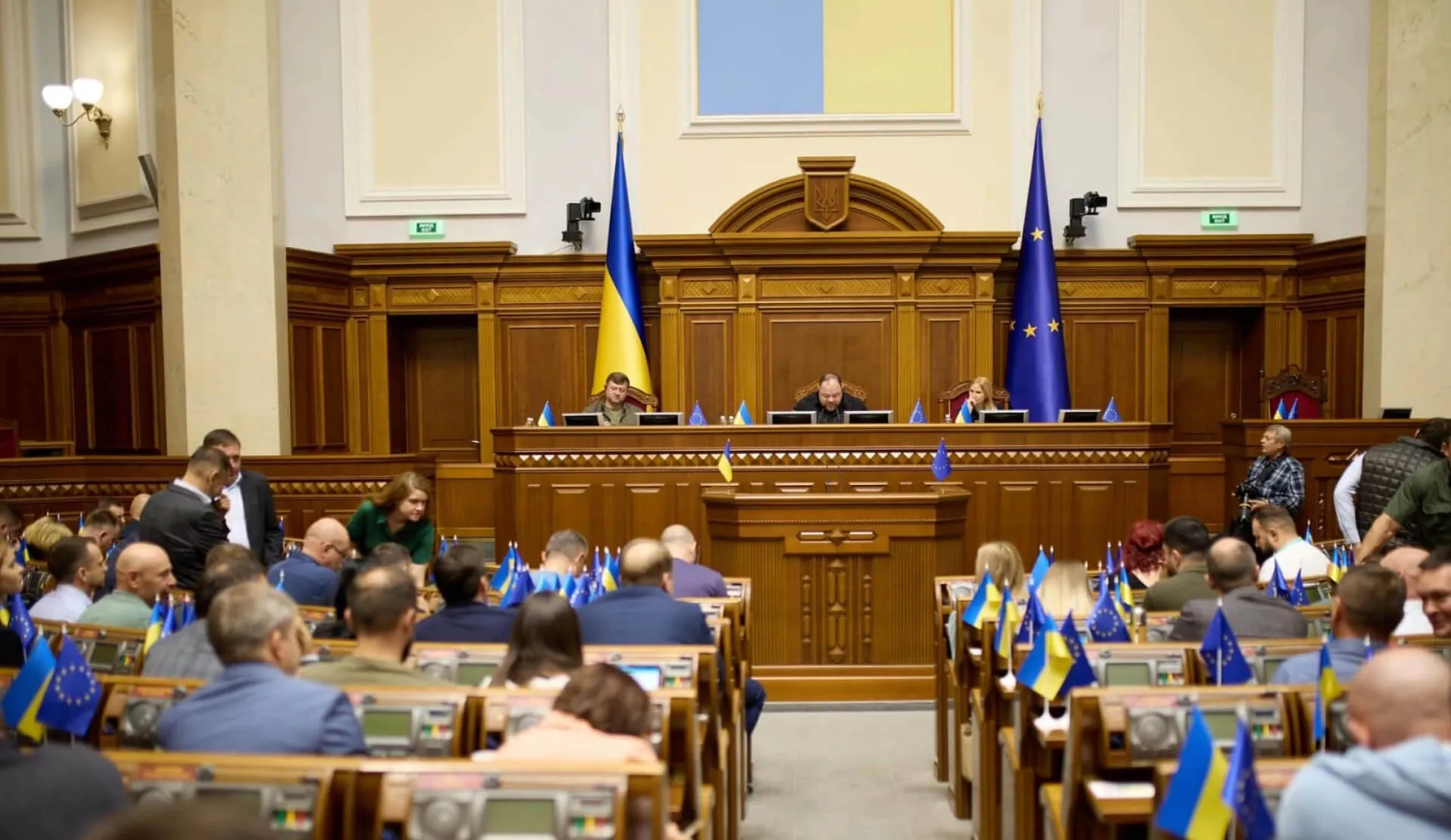
The European Commission has officially warned the Ukrainian government that attempts to limit the status of politically exposed persons (PEPs) to three years are inconsistent with the requirements of European integration.
Brussels insists on maintaining lifetime status for officials and recommends holding additional consultations before adopting high-profile legislative changes.
The crux of the conflict lies in amendments to draft law No. 15112-1, which initially concerned the taxation of international parcels valued at over 150 euros.
Lawmakers proposed limiting the duration of PEP status to just three years after the end of public office, instead of the current lifetime oversight.
European partners view this initiative as a step backward in fulfilling key requirements known as the “7 steps.”
These conditions are mandatory for maintaining candidate status and successfully advancing the negotiation process regarding Ukraine’s accession to the European Union.
A letter from the European Commission states that the abolition of tax exemptions for parcels is in line with agreements with the IMF, but the rules regarding PEPs have nothing to do with them.
Brussels also criticized the idea of equating state bank employees responsible for financial monitoring with politically exposed persons.
EU representatives consider such a classification of banking sector employees to be unfounded and call for a review of the draft law.
“To ensure that all of the EU’s comments are taken into account, I recommend holding additional consultations with us on this draft law before its adoption,” the European Commission’s statement emphasizes.
As a reminder, the Rada summoned the head of the AMCU over suspicions of collusion in the fuel market.
The Rada will consider critical draft laws for funding from the EU and the IMF on April 7–8.
