
How Kasta Completely Overhauled Its Business Model After the War Began: Key Insights from a Talk by Founder and CEO Andriy Logvin

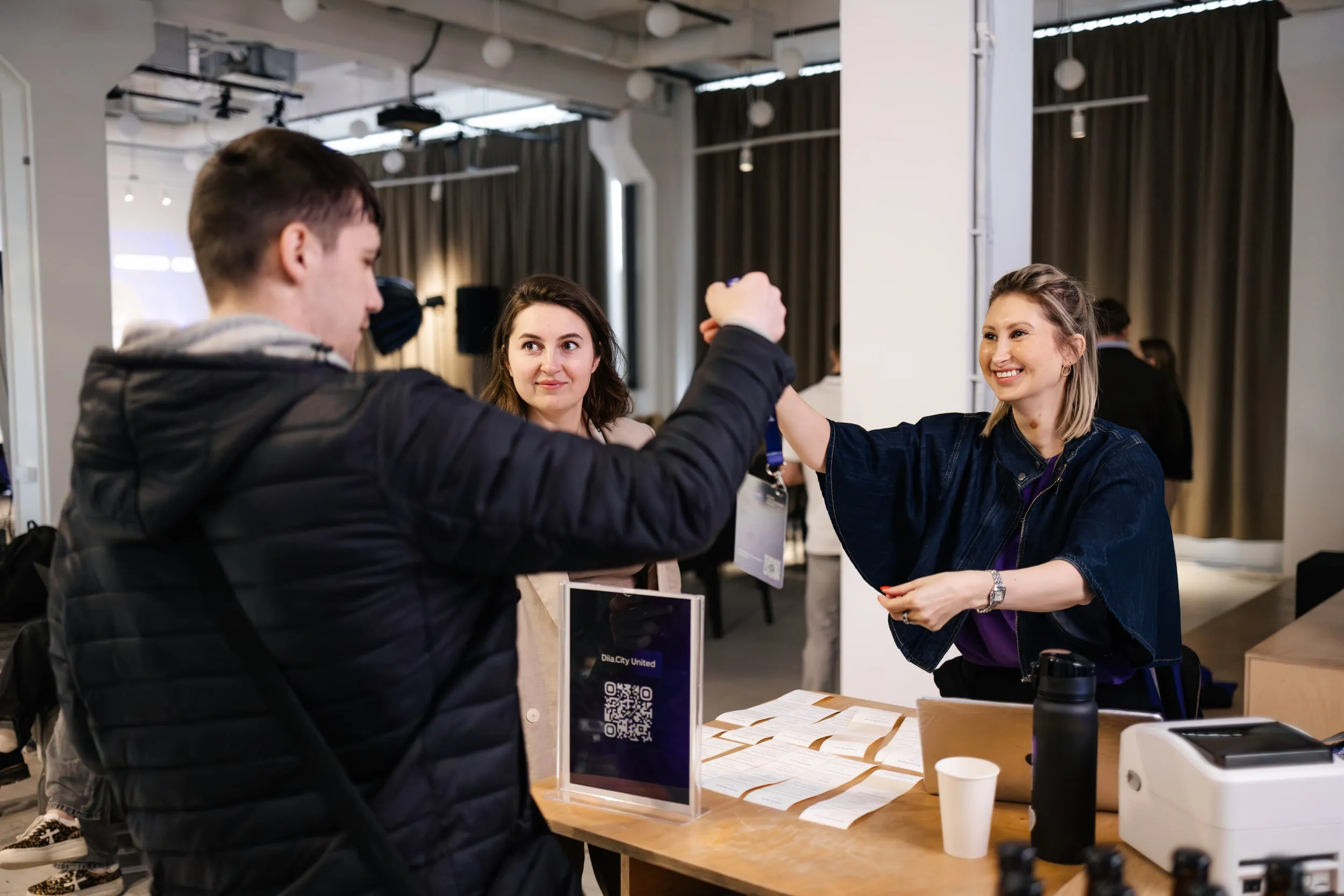
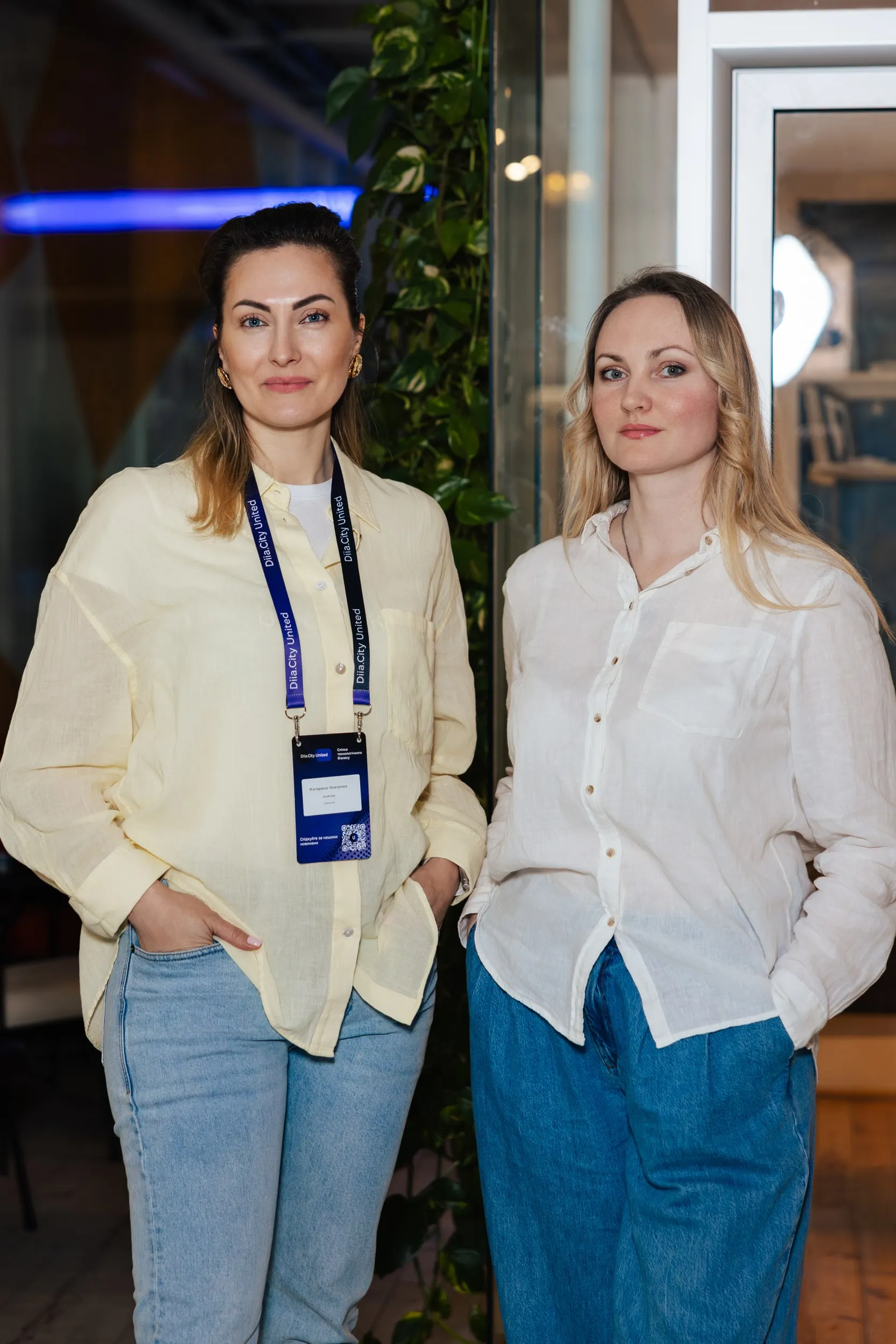
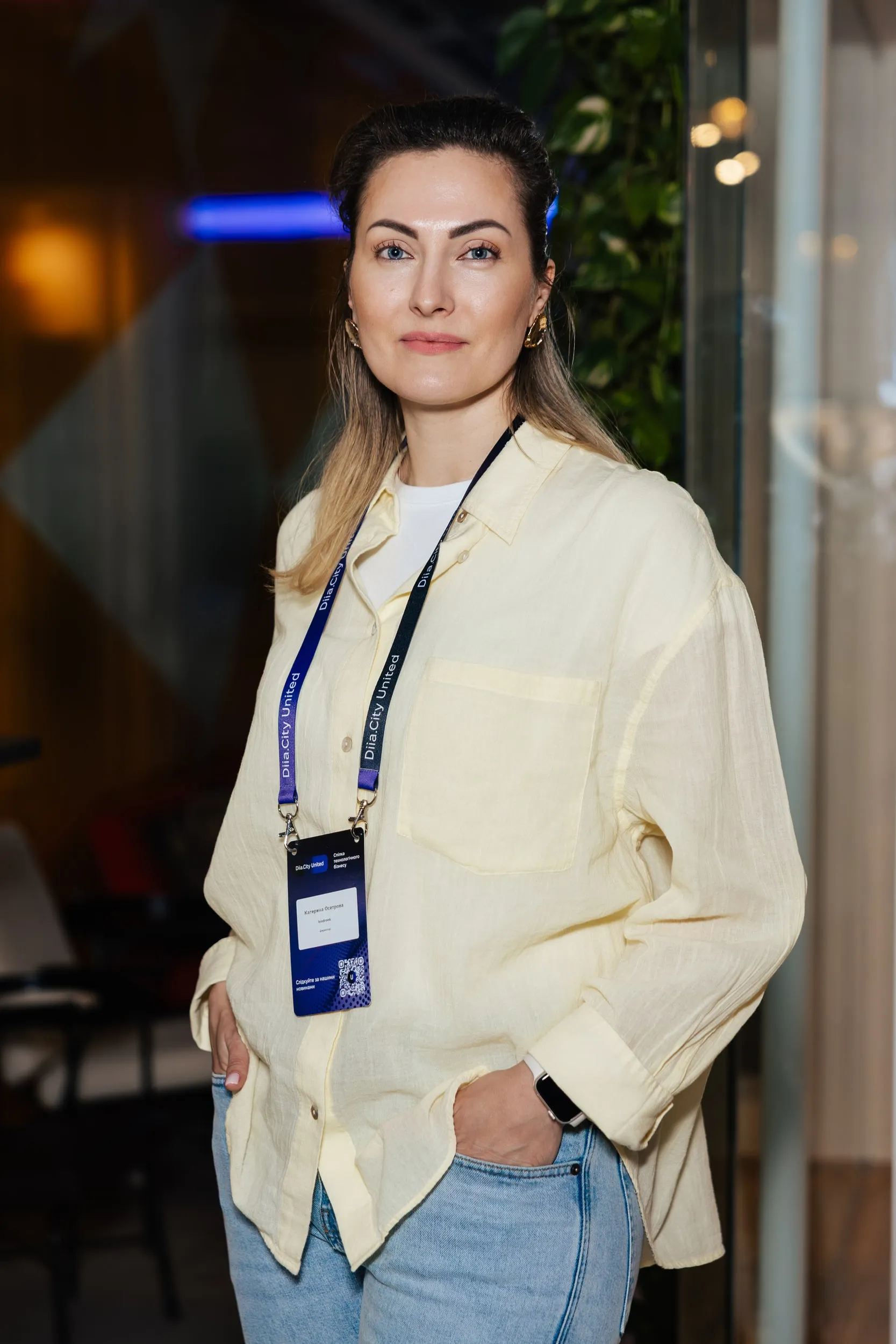
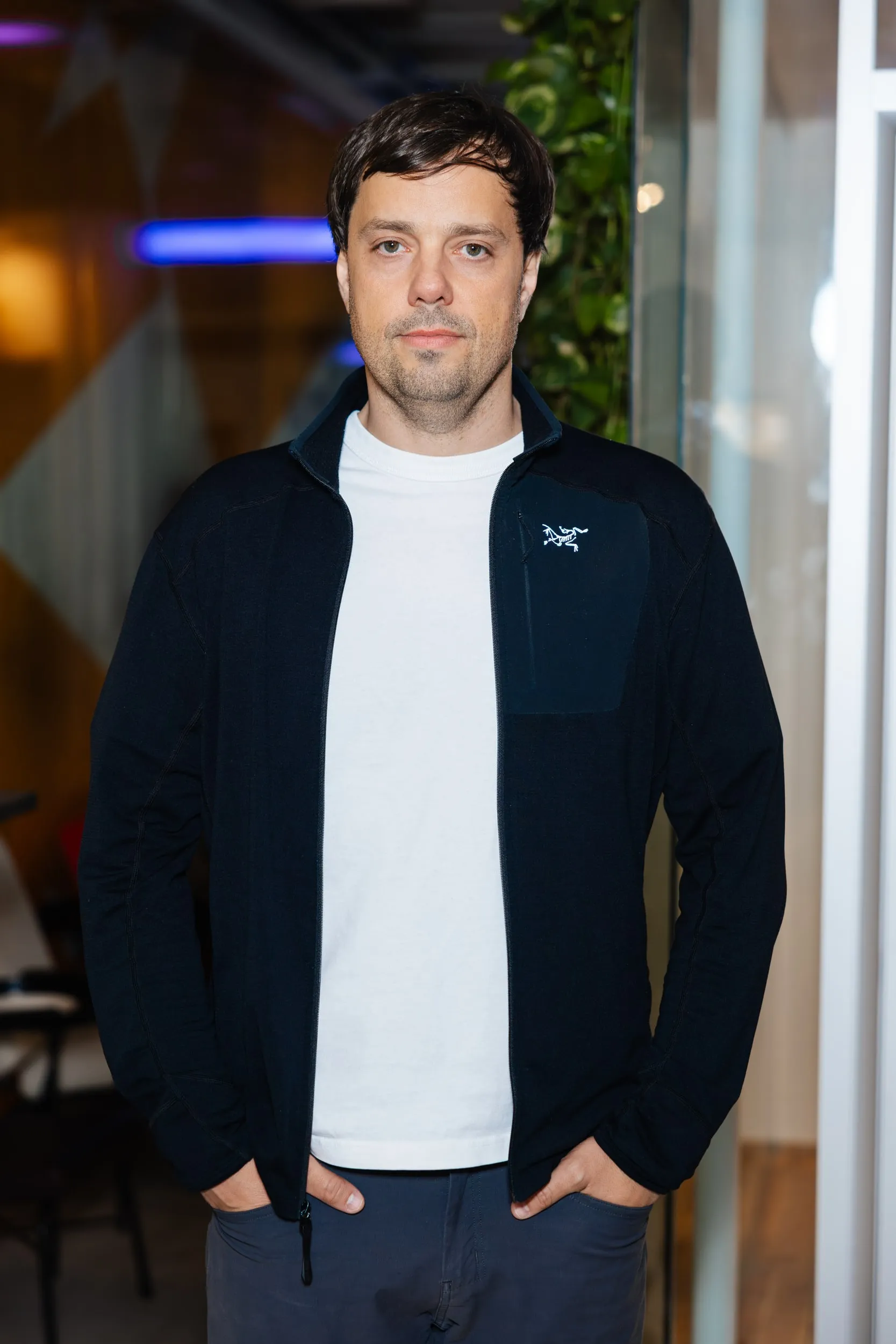
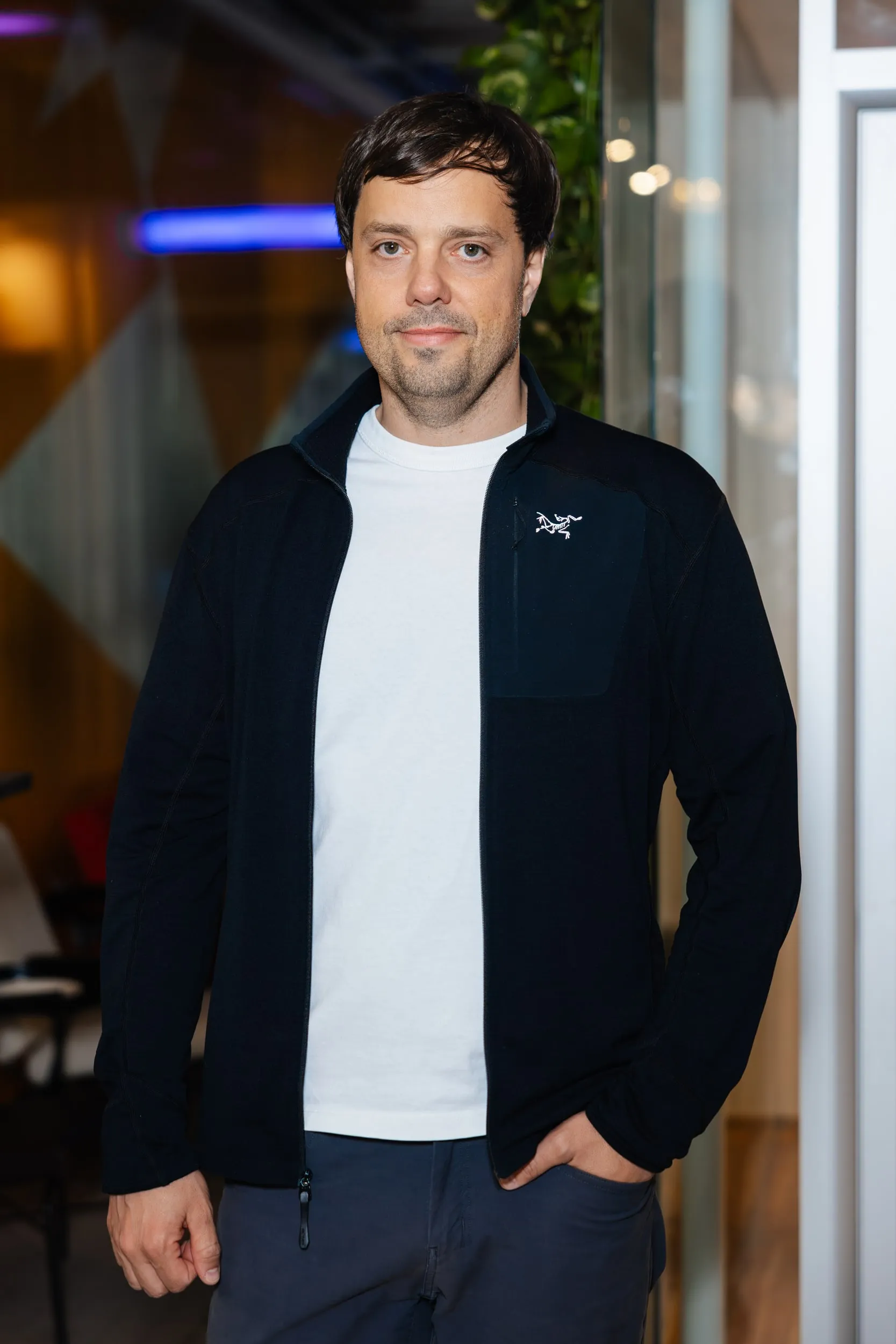
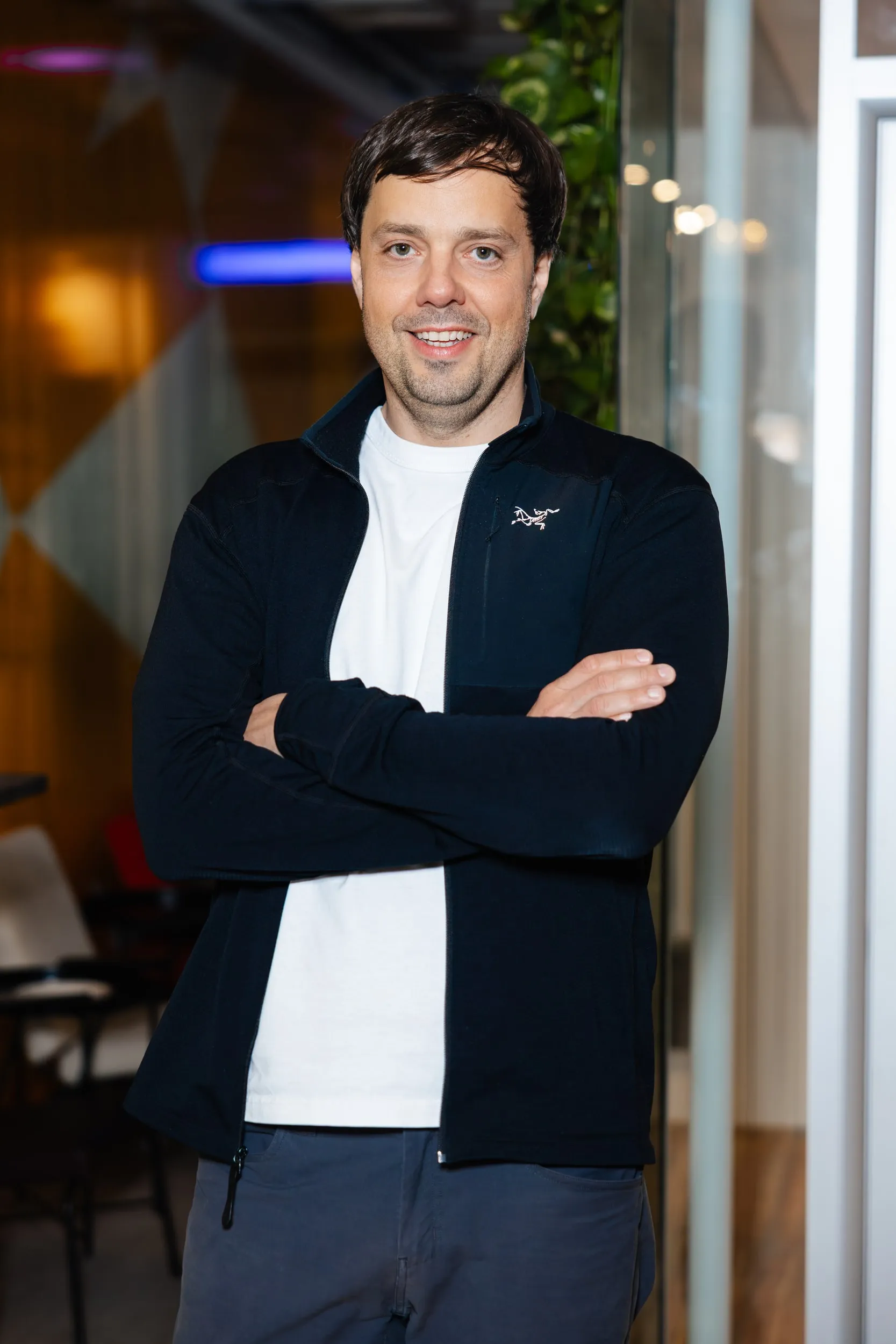
On April 17, an event organized by the technology business association Diia.City United took place in Kyiv, featuring Andrii Logvin. During the meeting, the founder and CEO of Kasta shared his experience of transforming the company following the outbreak of full-scale war and his vision for the development of the technology sector in Ukraine.
Until 2022, Kasta operated under a classic e-commerce model with its own logistics: it received goods from suppliers, stored them in a warehouse, and delivered them to customers via the Kasta Post network. At its peak, the company had over 300 branches, about 1,000 employees, and tens of thousands of shipments daily.




After the start of full-scale war, this system ceased to function: supplies stopped, and sales dropped to zero. Under these conditions, the company abandoned its previous model and transitioned to a marketplace where partners play a key role in sales.




Currently, Kasta is moving toward developing a fintech-focused ecosystem. The company is actively introducing installment plans and payment tools that complement e-commerce and transform the business model.




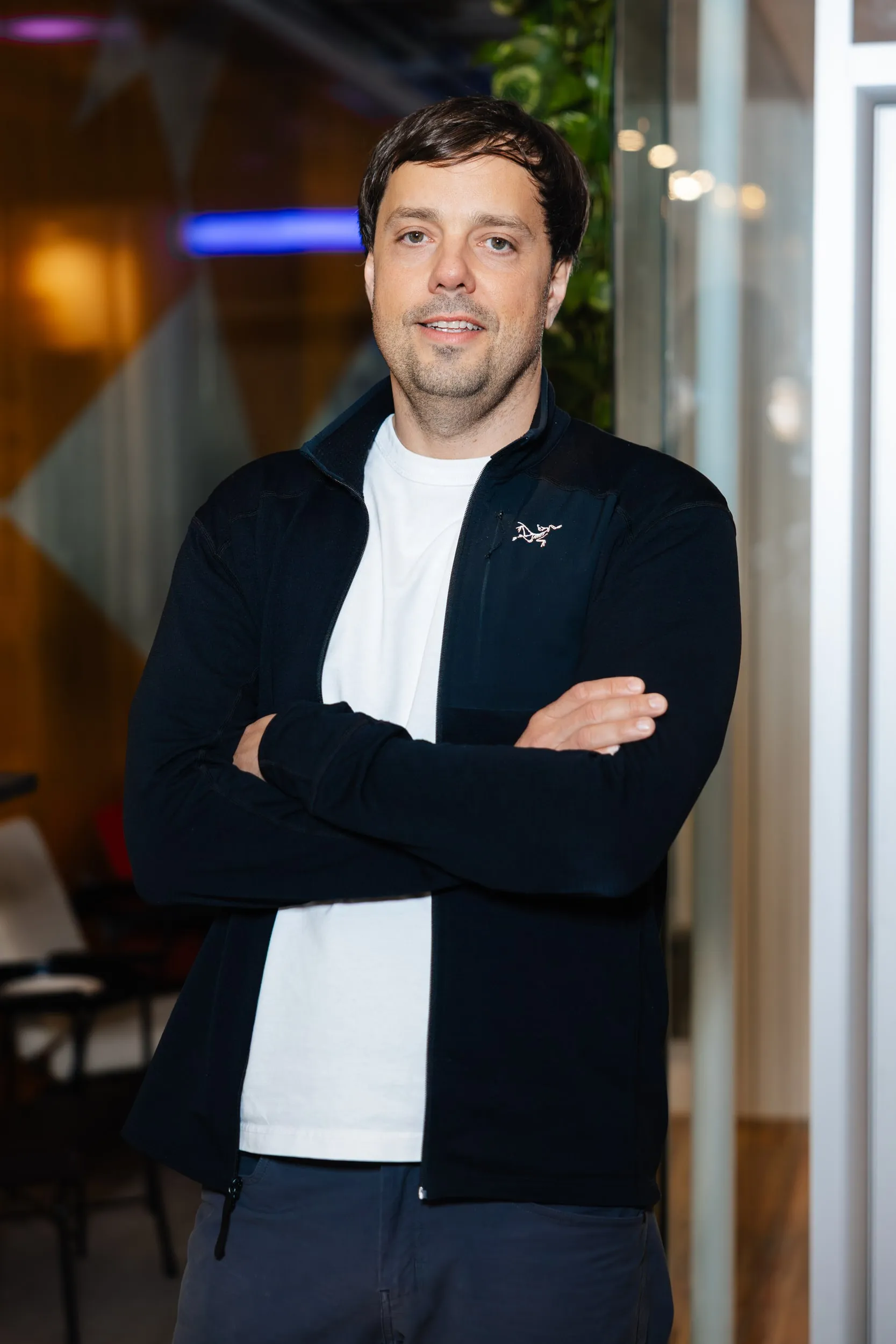

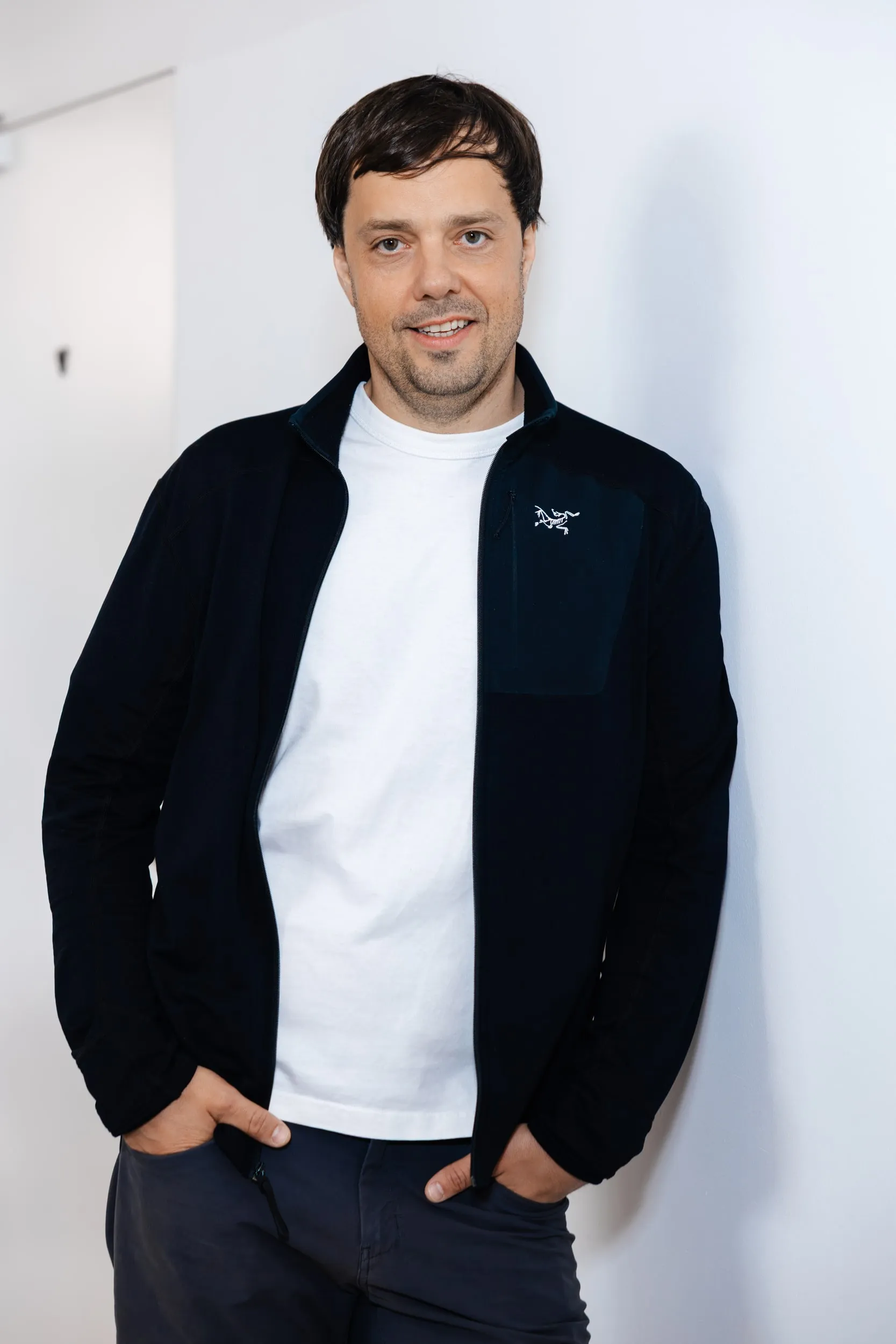
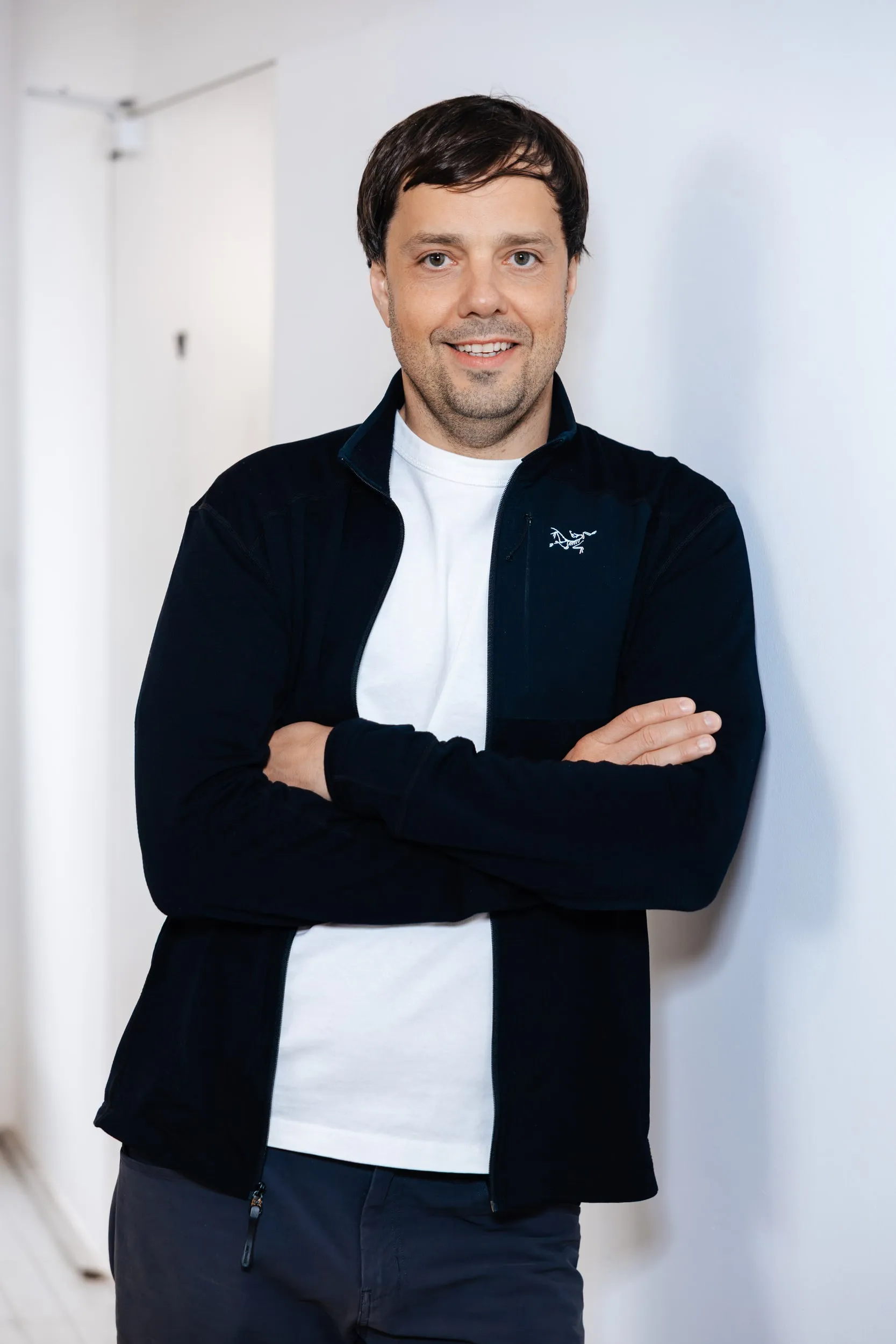
According to Logvin, it is difficult to maintain a long-term advantage in today’s IT industry, as most solutions are quickly copied. The decisive factor is the speed of change and a business’s ability to adapt.
During the deepest crisis, the company did not have a long-term plan and operated in short iterations, focusing on specific steps that allowed it to move forward.


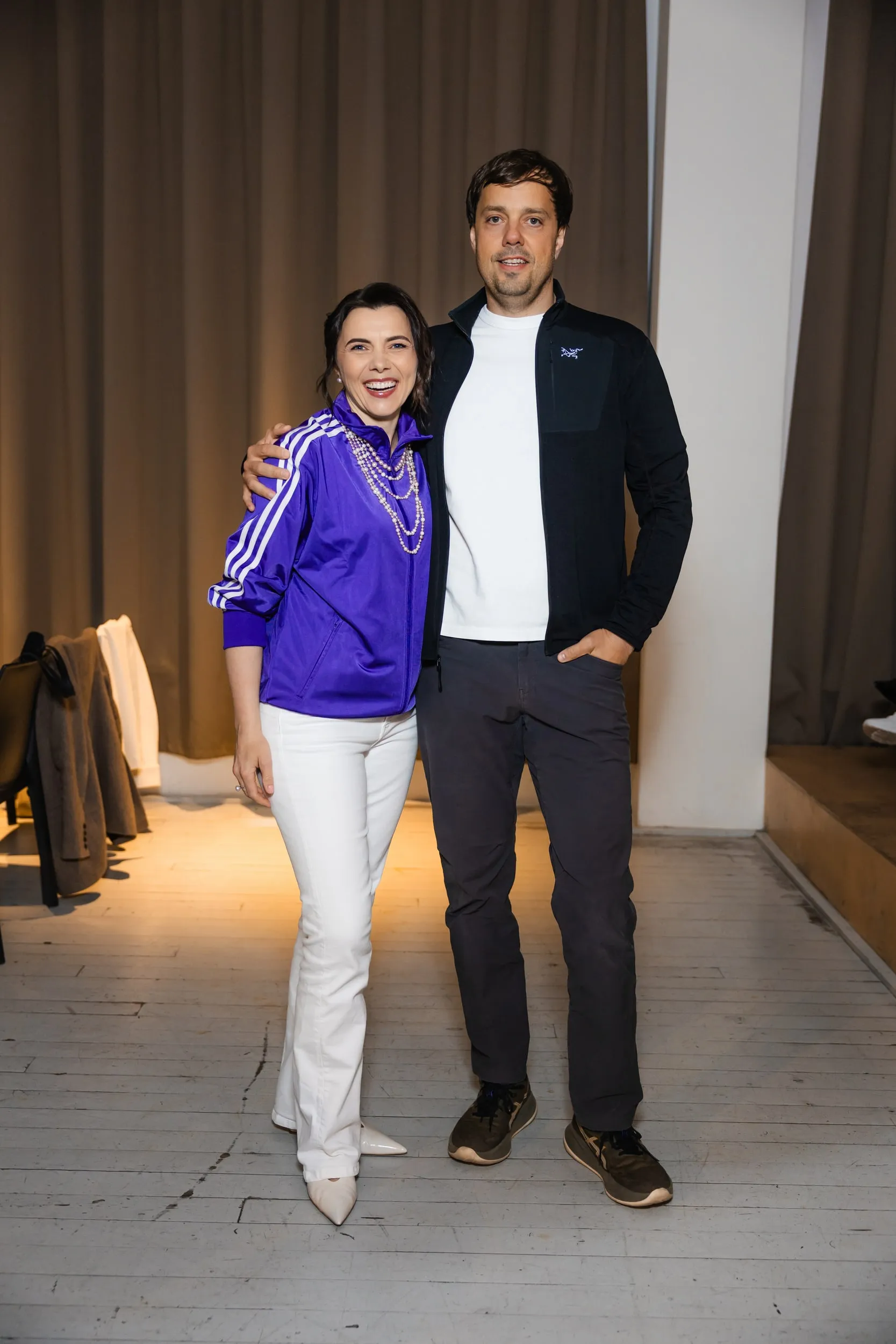
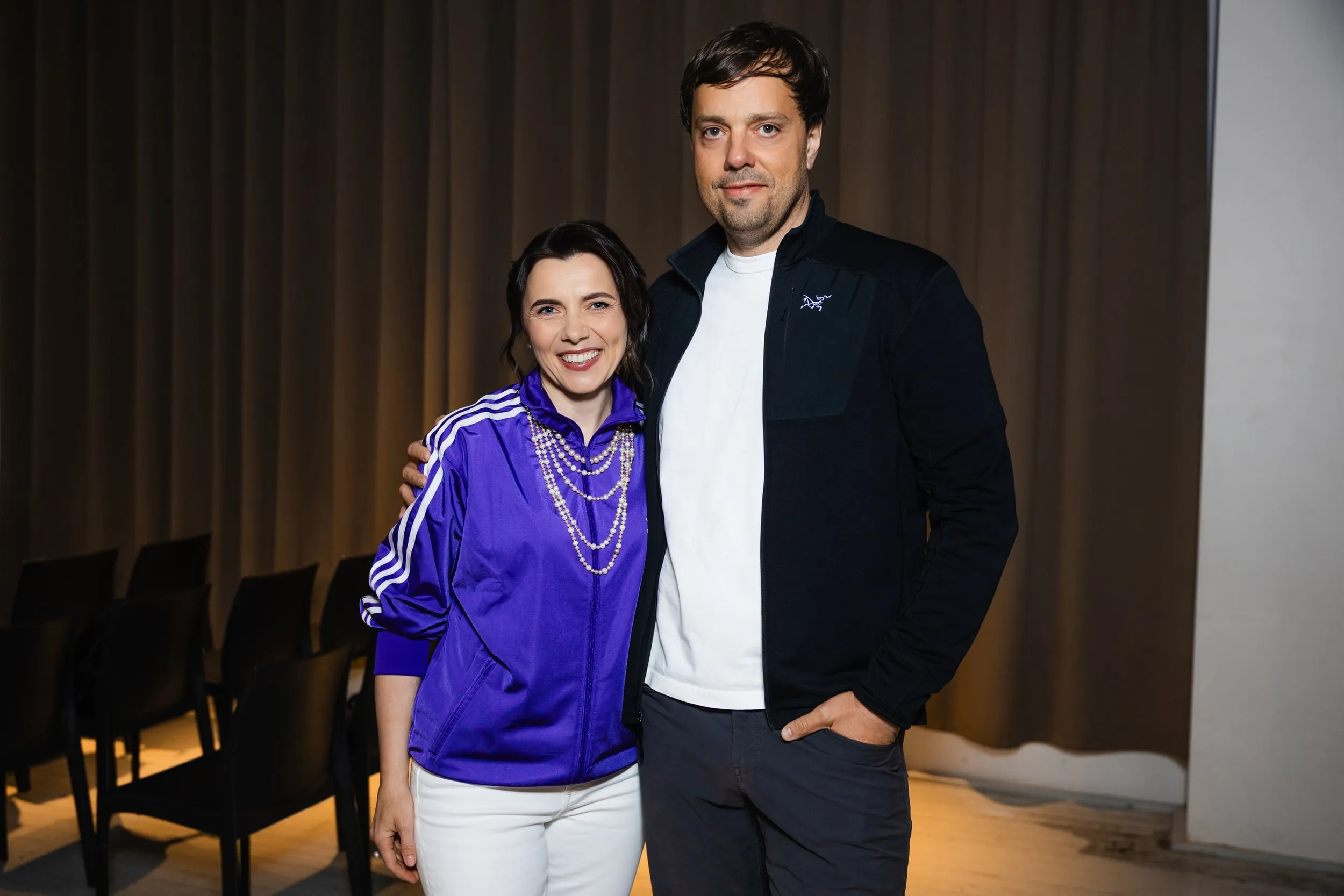








Separately, the conversation touched on the role of business in the country’s economy. Logvin emphasized that the development of entrepreneurship directly impacts economic stability. The founder and CEO of Kasta also highlighted the importance of business consolidation, as a unified industry stance strengthens its influence and enables more effective engagement with the government.


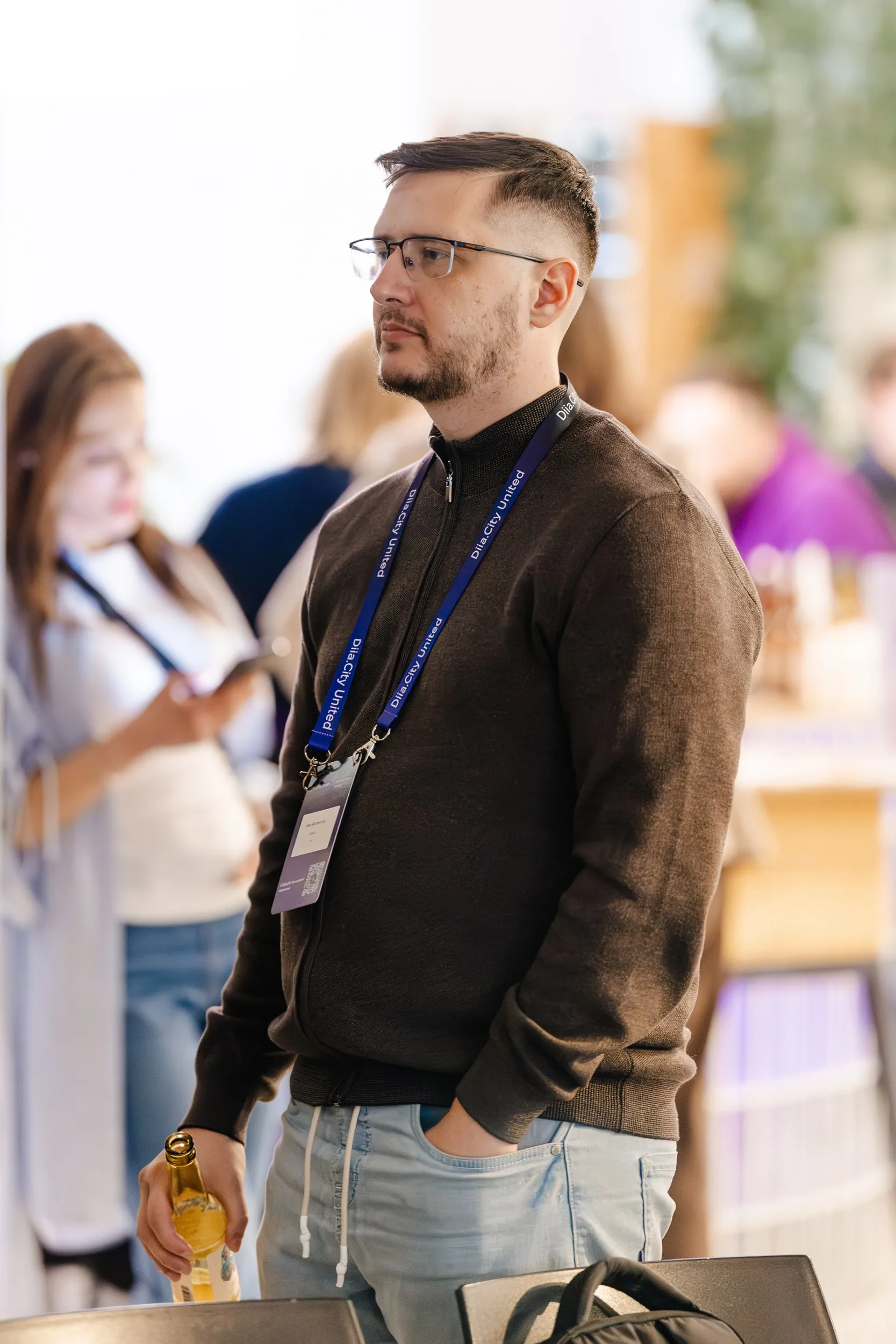

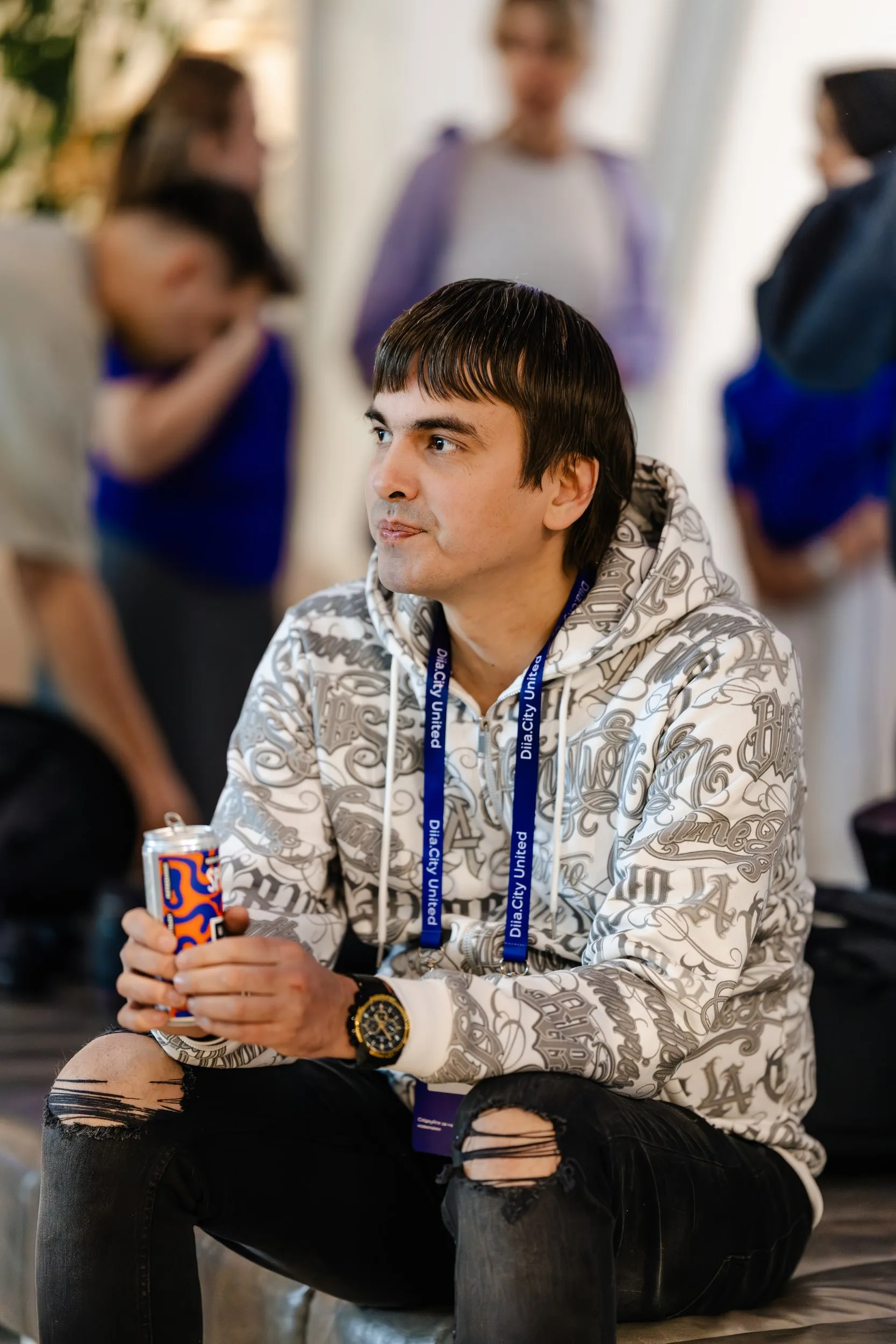



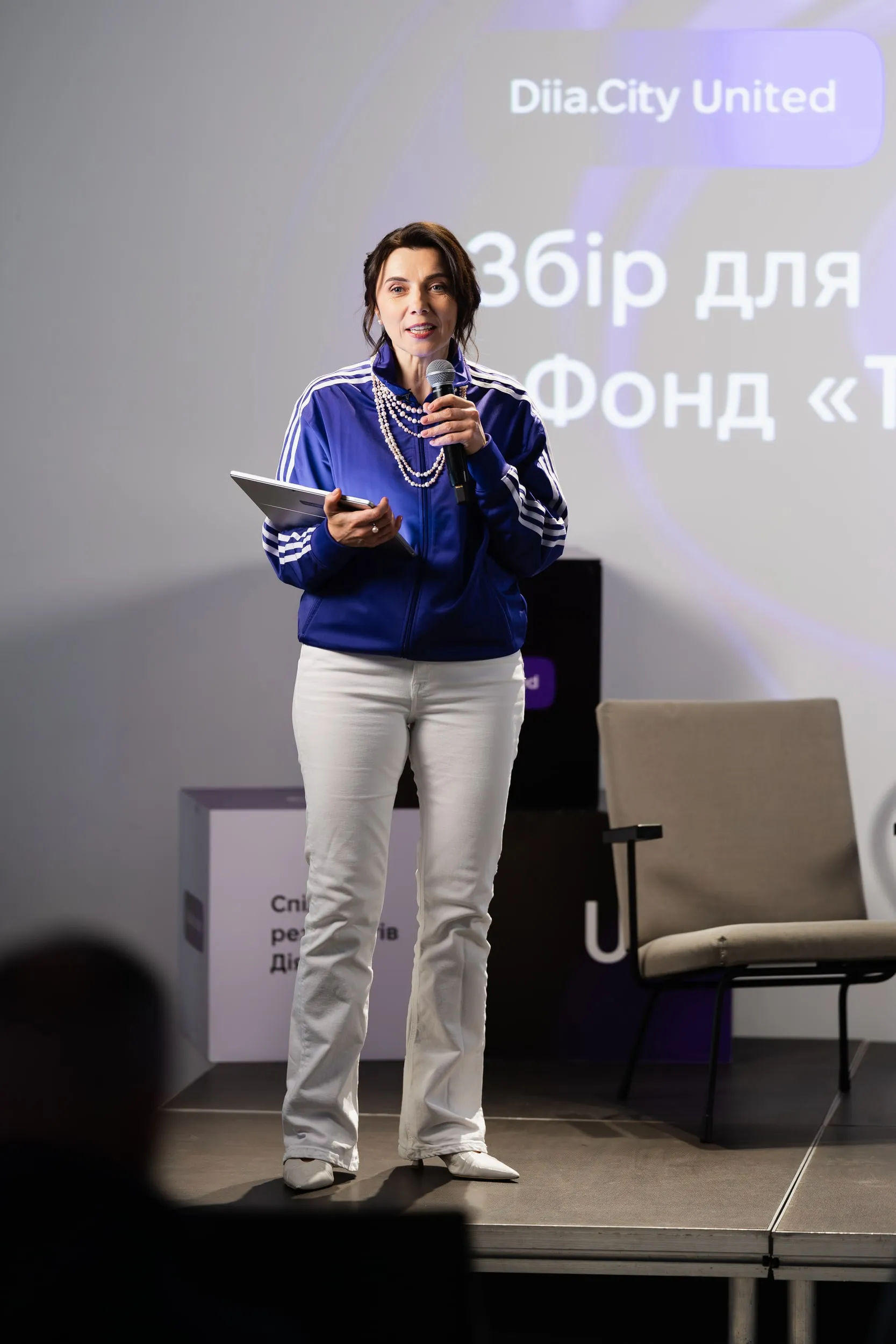
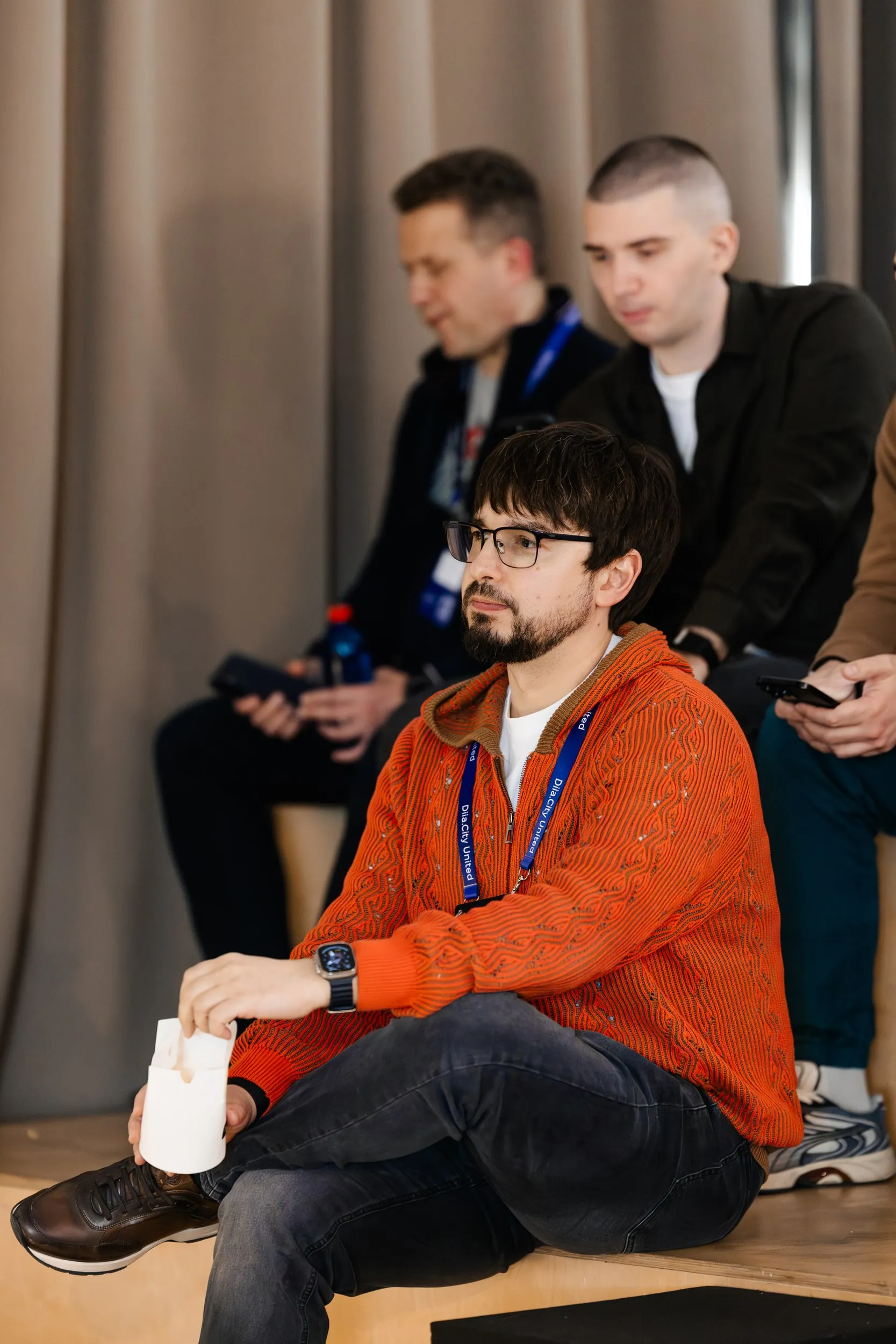
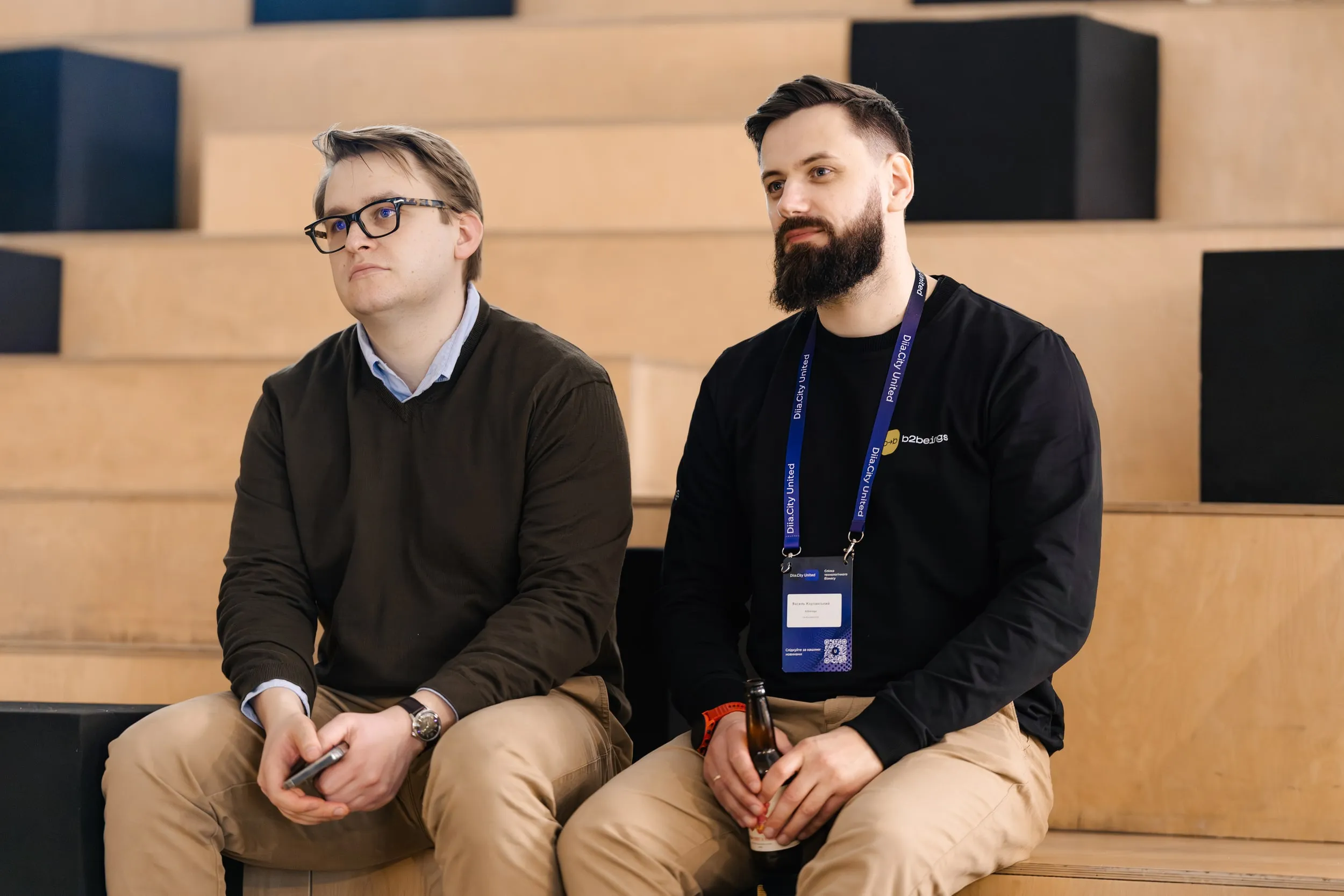
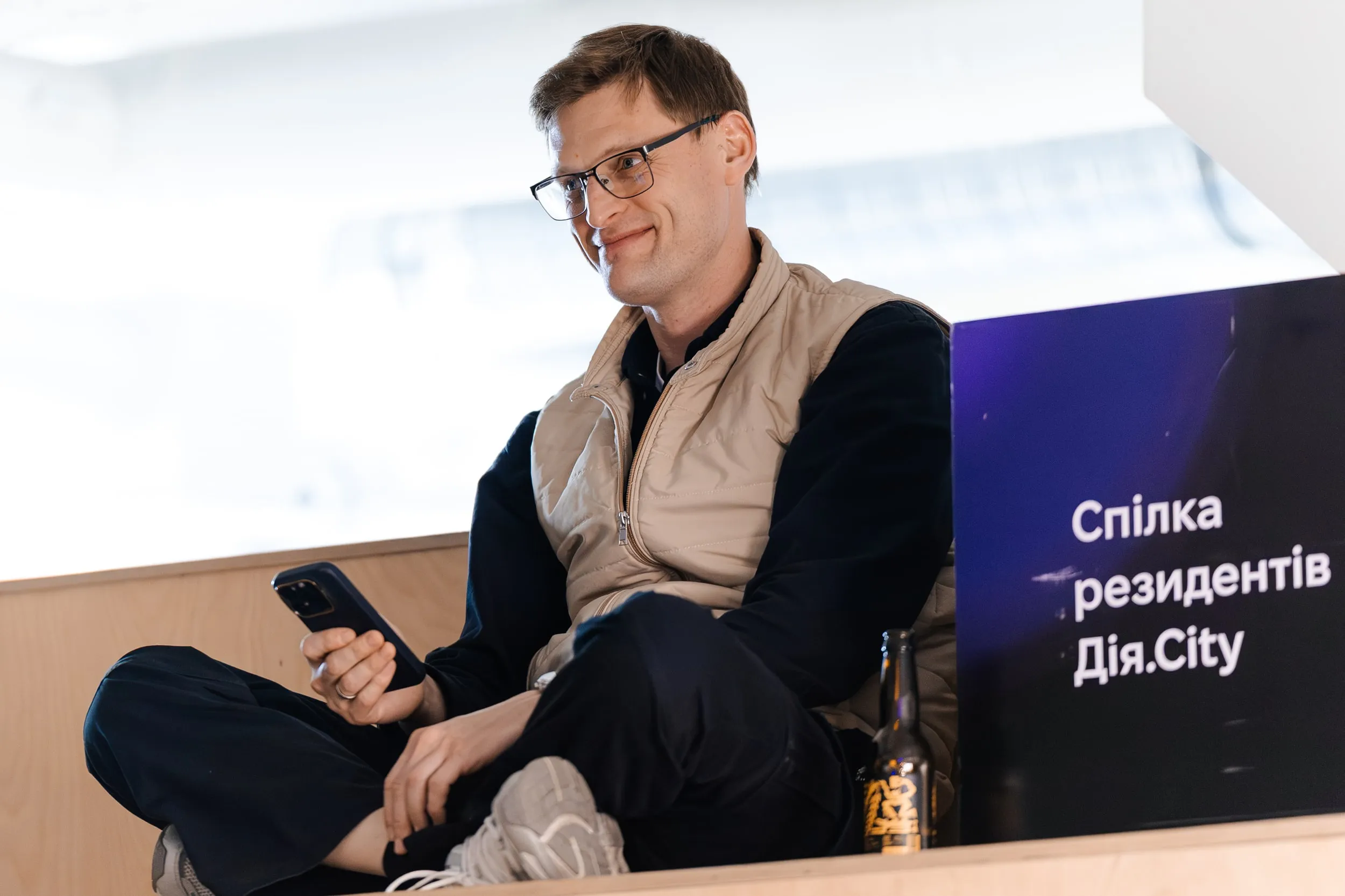
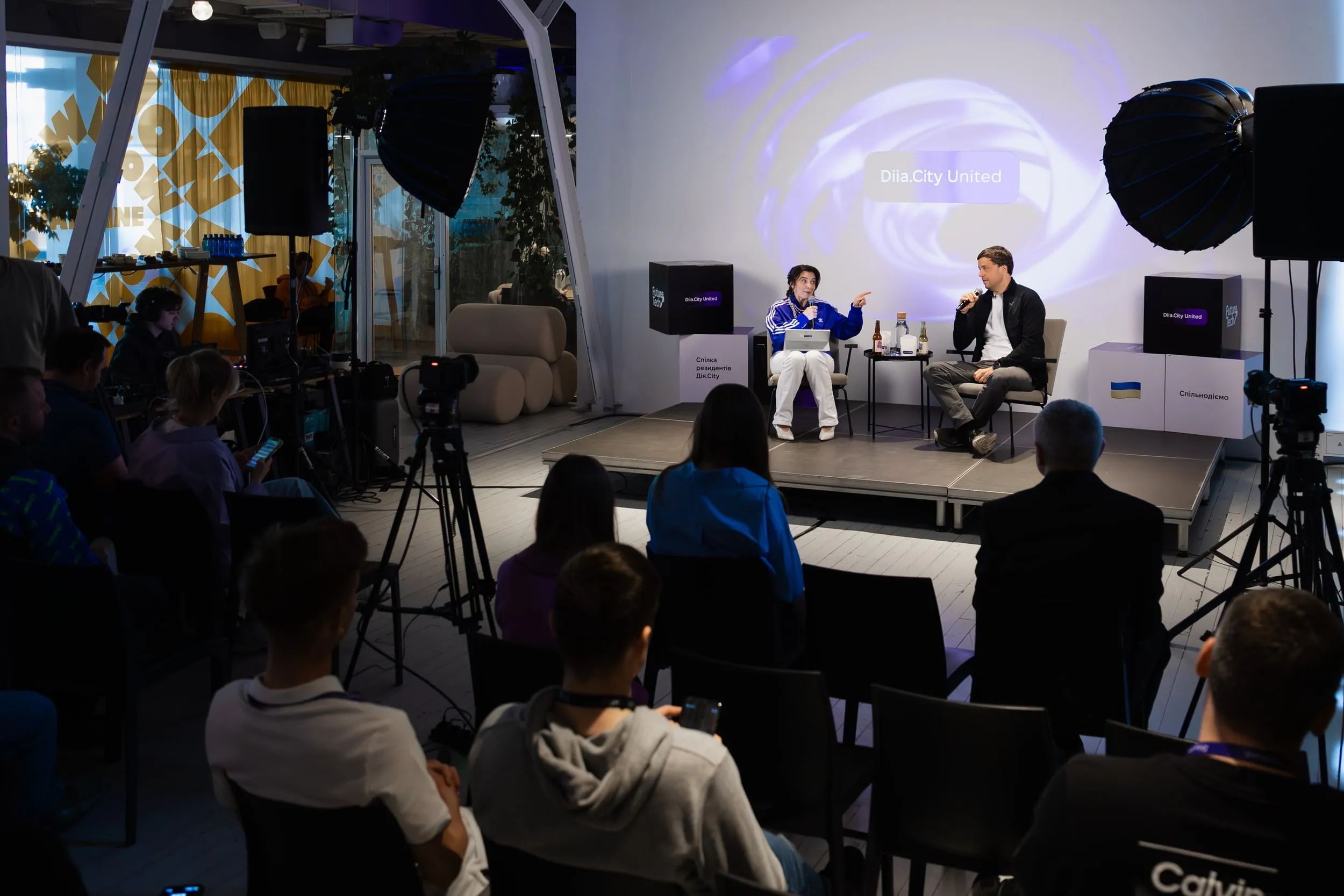
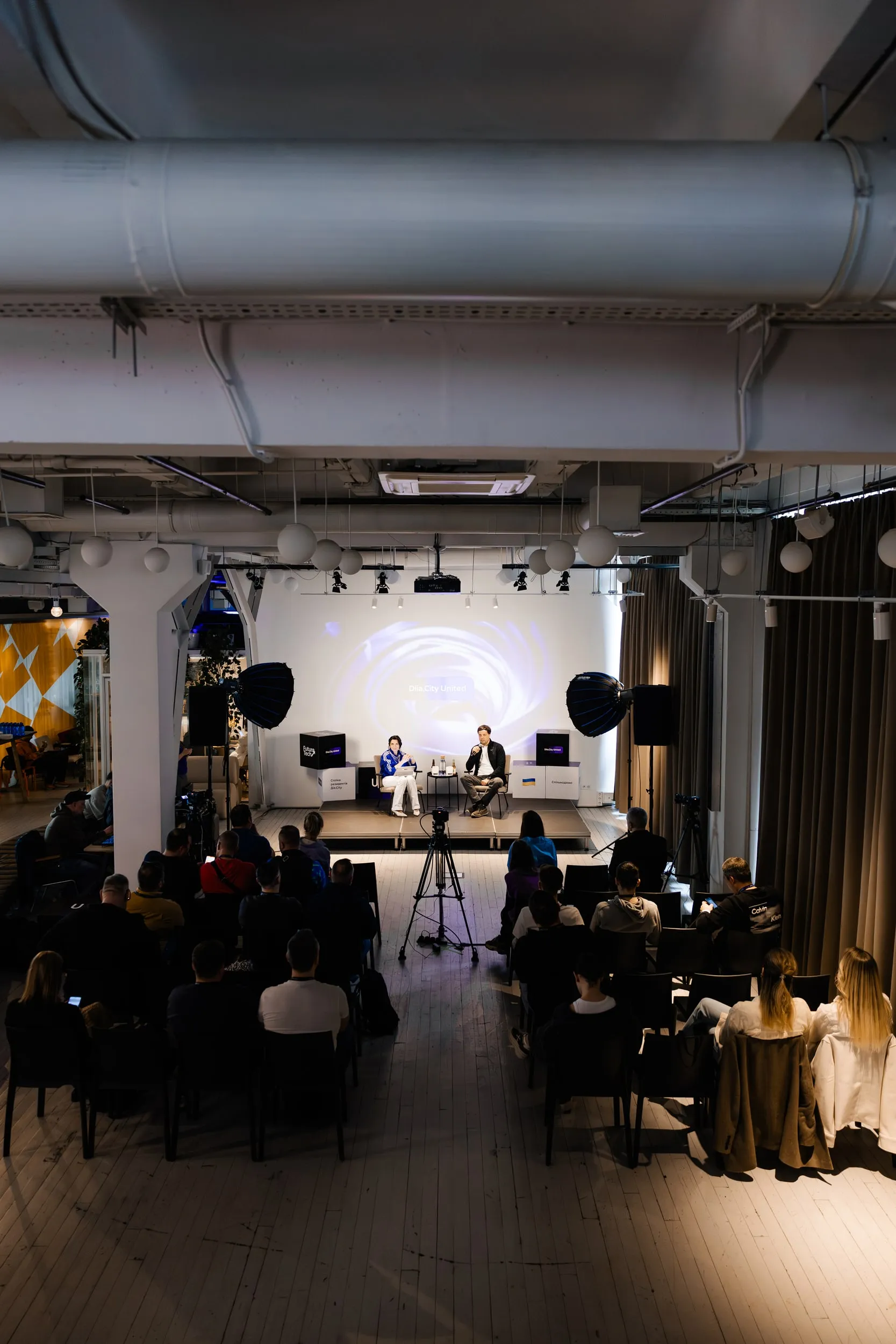



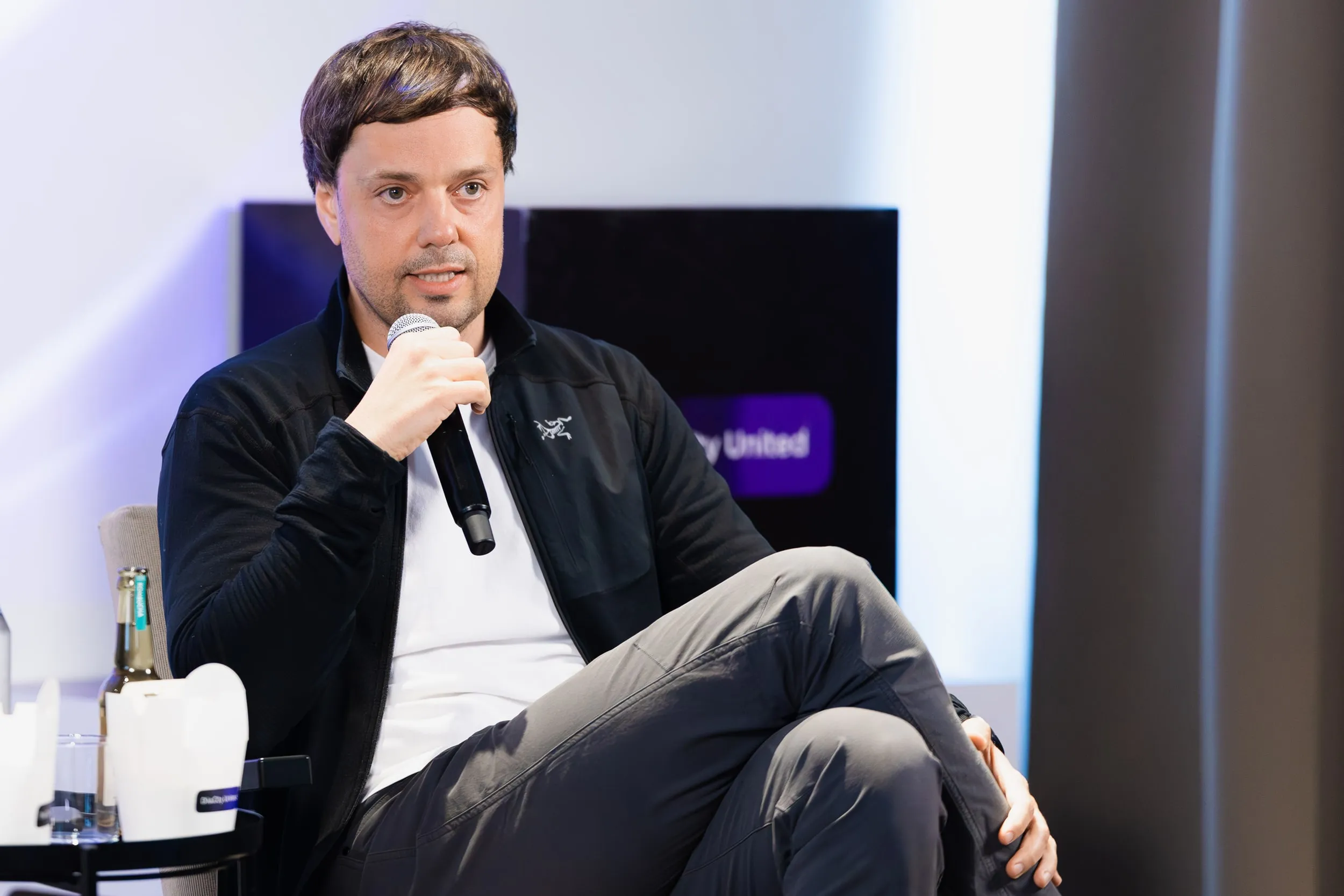

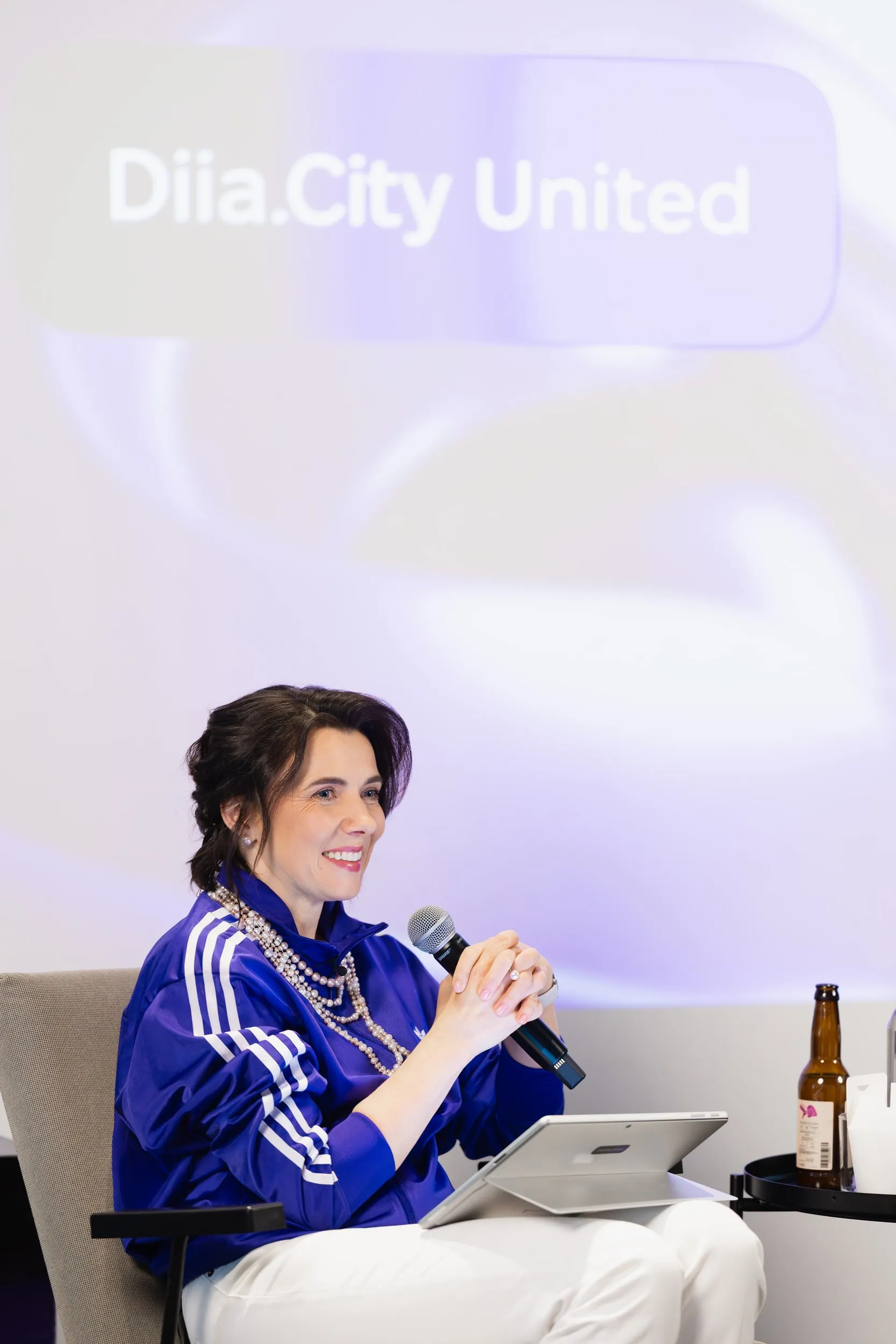
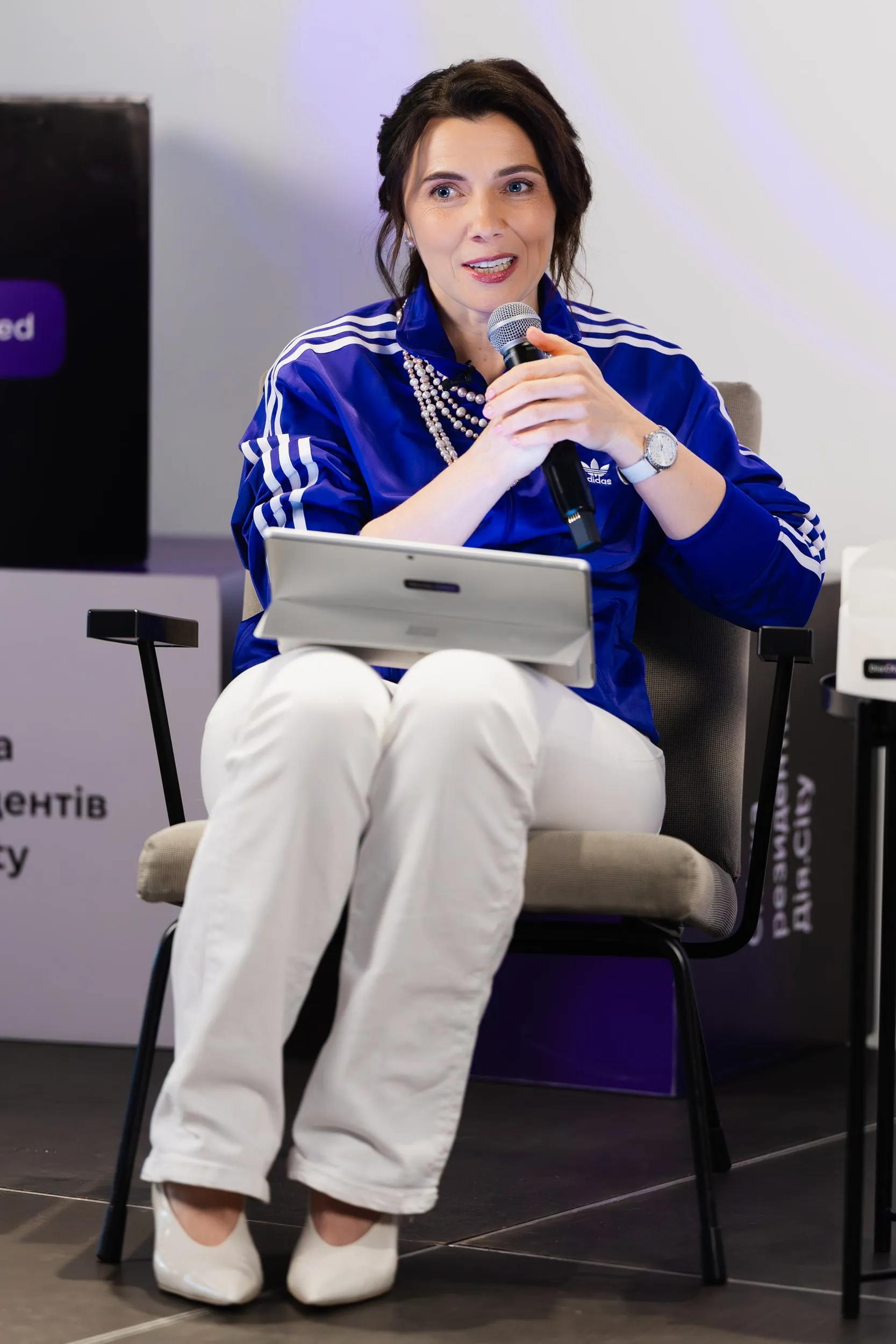
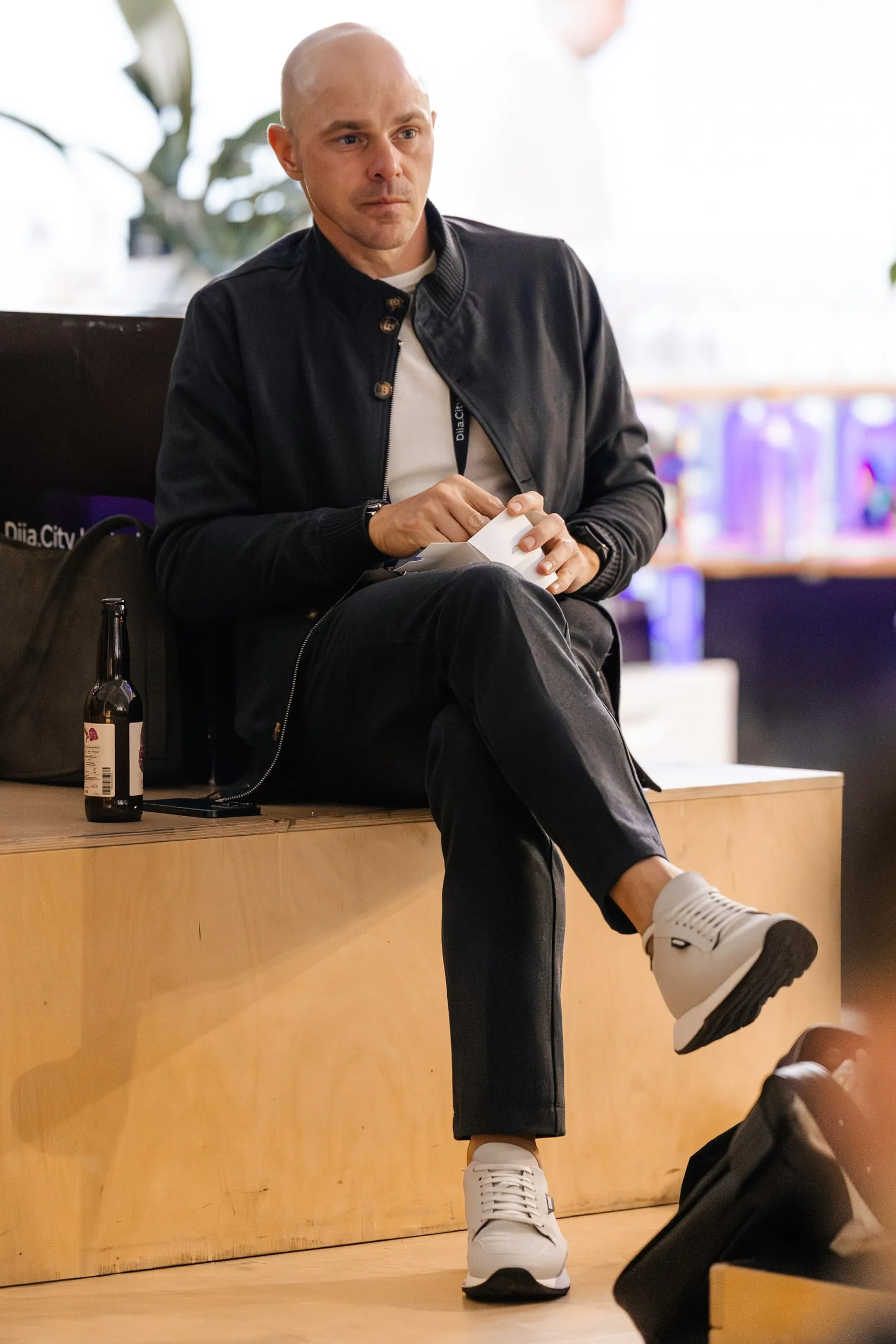
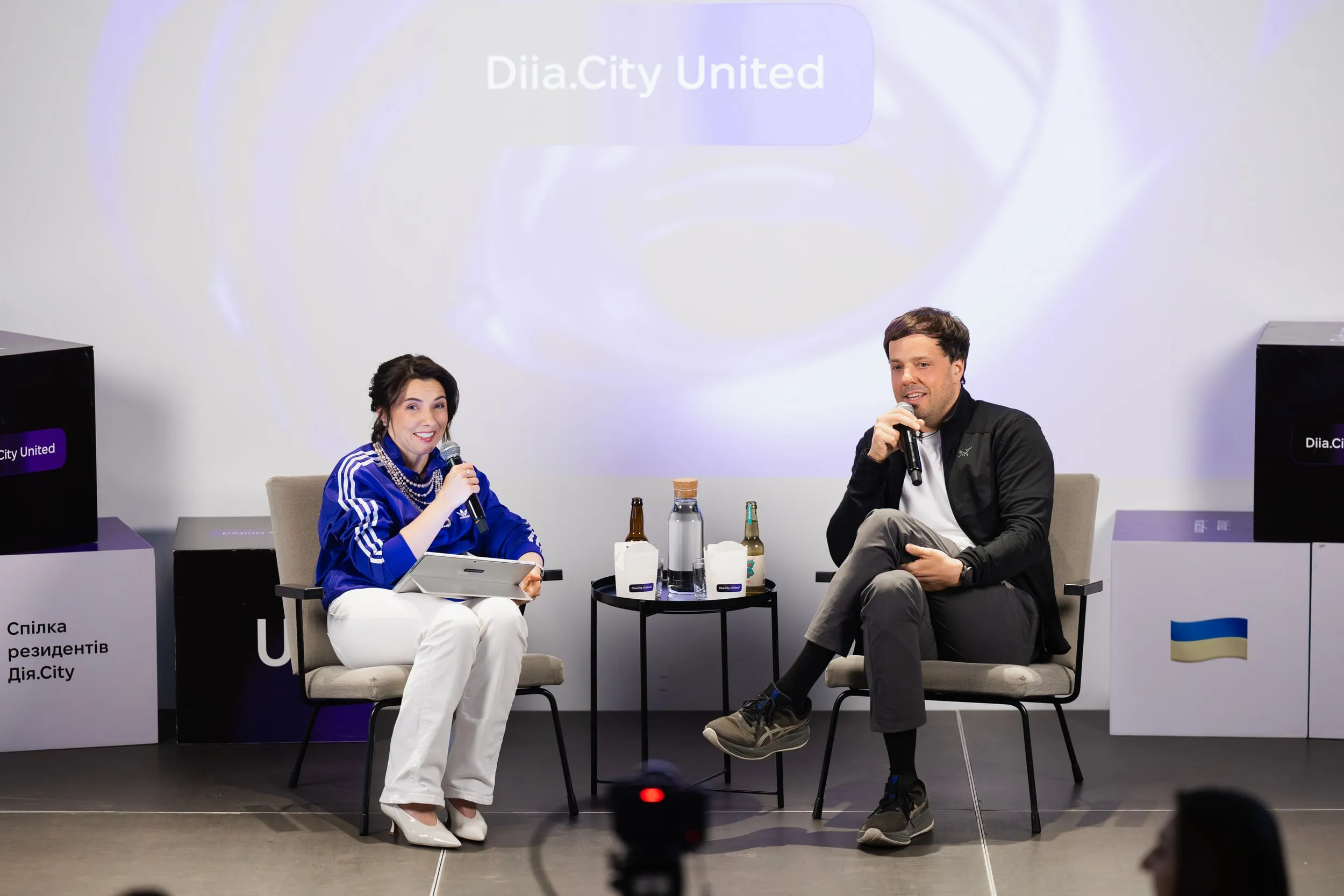
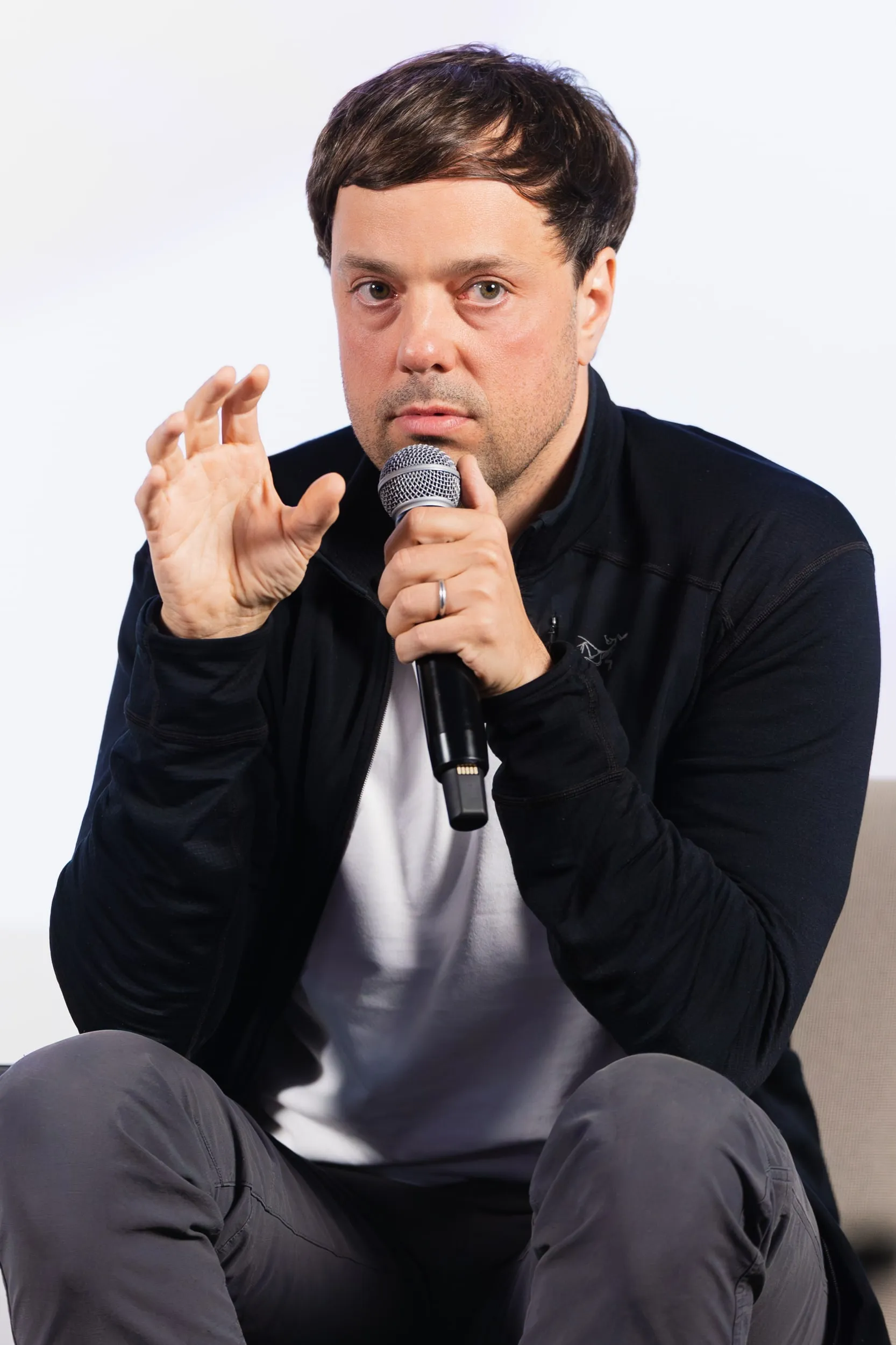
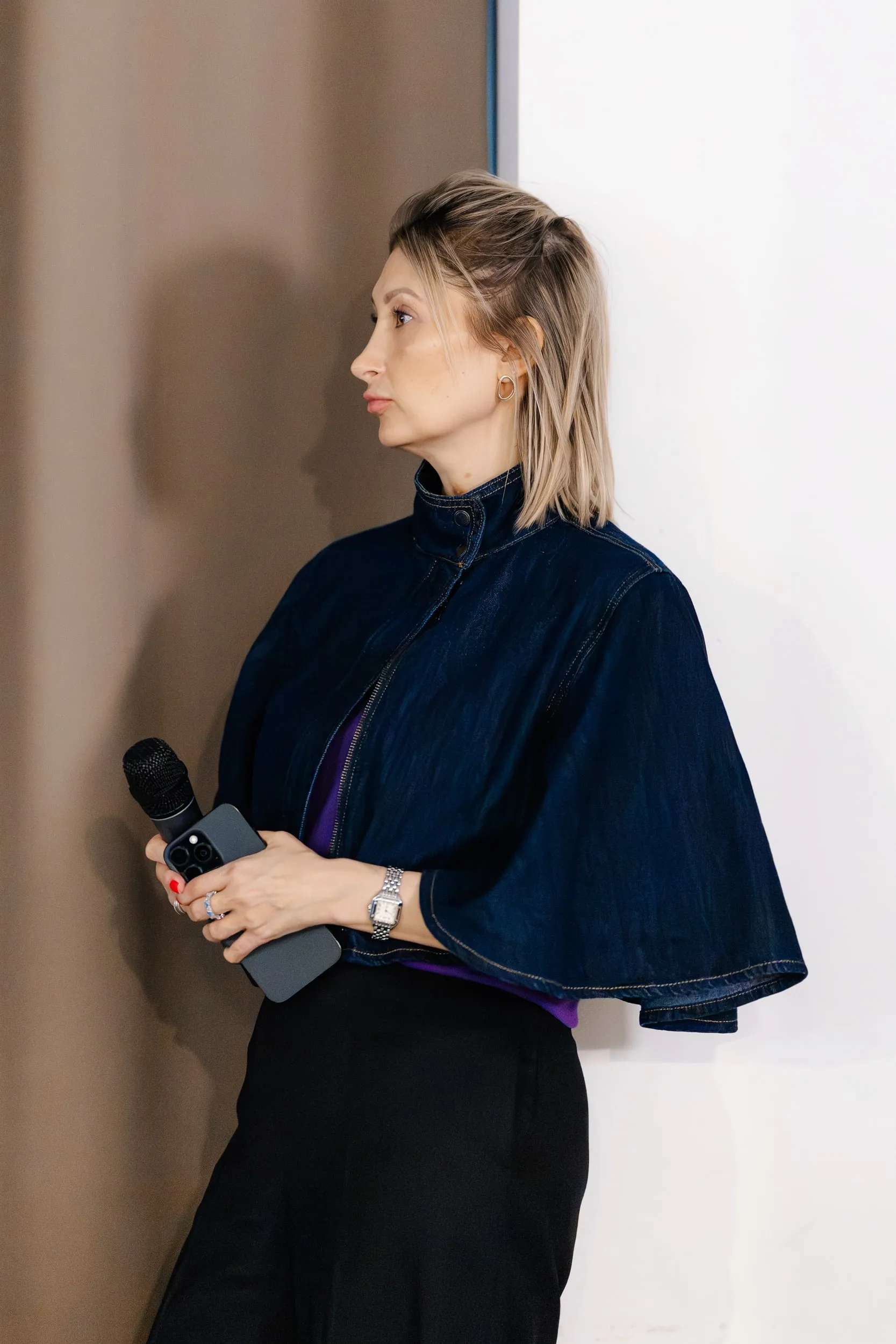
The Q&A session took place as part of the Diia.City United series of meetings with members of the Strategic Council—a platform for sharing practical experience and forming a unified voice for the tech industry.
