
Kostiantynivka has become a battleground for survival during the war — NYT
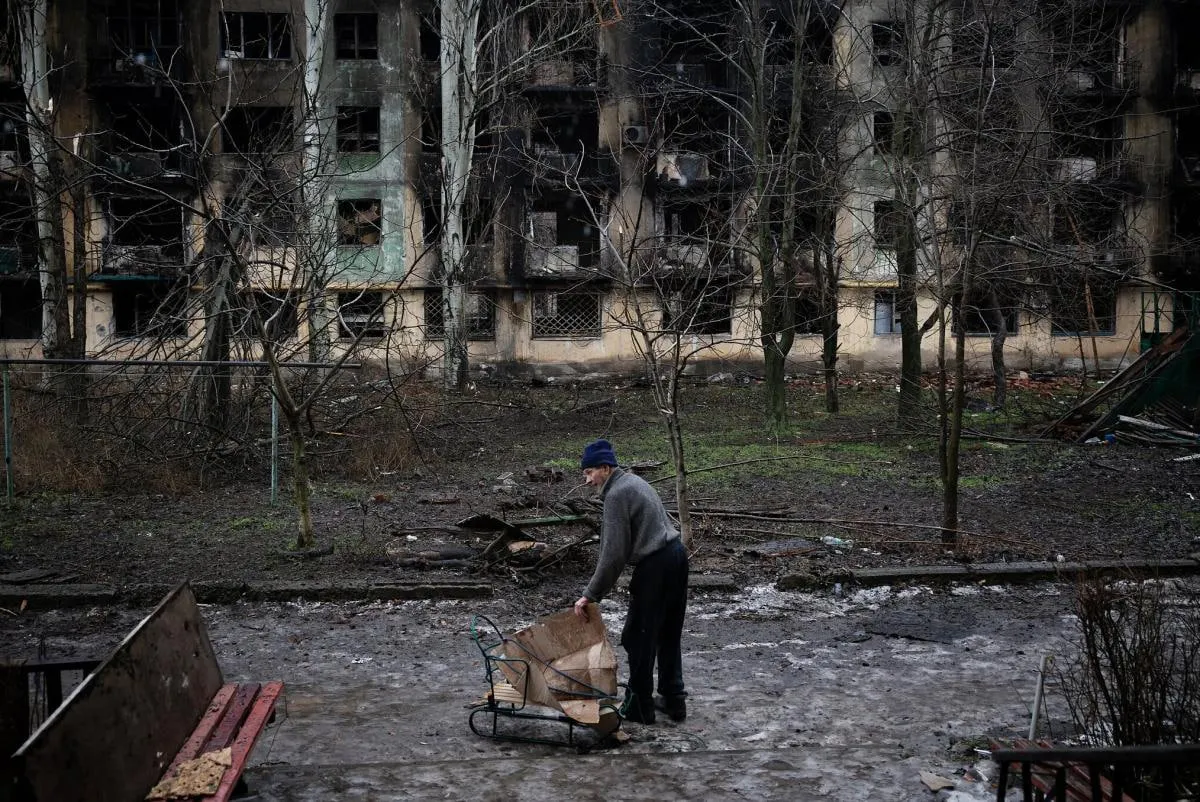
The city of Kostiantynivka has become one of the hardest-hit areas amid the full-scale war. According to military officials, civilians are living in basements, heating their homes with firewood, and forced to gather supplies for survival, as if living in medieval conditions. Before the Russian invasion began, the city was home to about 67,000 people, but as of January, only about 2,000 remained. Kostiantynivka is currently a key hub on the Russian offensive’s route, which Ukrainian forces continue to hold.
Journalists from The New York Times visited the city and described the current situation there.
In particular, last fall, as Russian occupiers advanced closer and closer, the “White Angels” police unit and civic organizations such as “Proliska” evacuated as many residents as they could. However, for some, it was already too late.
The parents of 44-year-old Andriy Yevdokimov watched as two police officers carried his body out the day after he was killed during the shelling.
Throughout this time, rescuers have witnessed the suffering of the living and the remains of the dead, which they also remove.
“People said my truck stank, but I didn’t smell anything. That scared me. I don’t smell the bodies anymore,” said one of them, Bohdan Zuyakov.
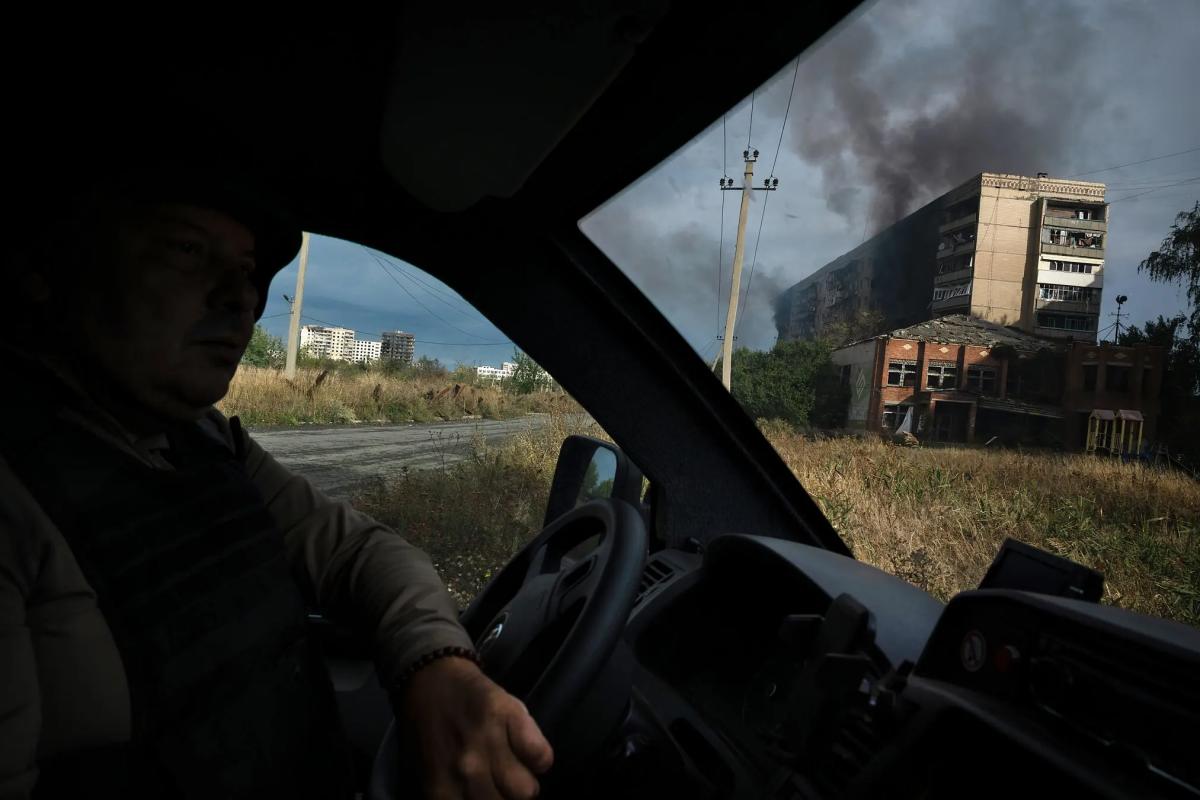
According to journalists, a few weeks later, the “Prolisky” rescue van was attacked.
"We were attacked by an optically guided drone, even though they could clearly see that we were a humanitarian team. Thank God, we’re alive. But we had to rescue a wounded man, and we couldn’t reach him, so he died. Simply because a Russian pilot decided to go on a human safari,” shared Oleg Tkachenko, founder of the organization “Breath of Hope,” which collaborates with “Prolisky.”
Rescuers also knocked on doors in dark hallways and helped residents—some of whom were bedridden—gather their belongings and get out, even if they had to carry them in their arms.
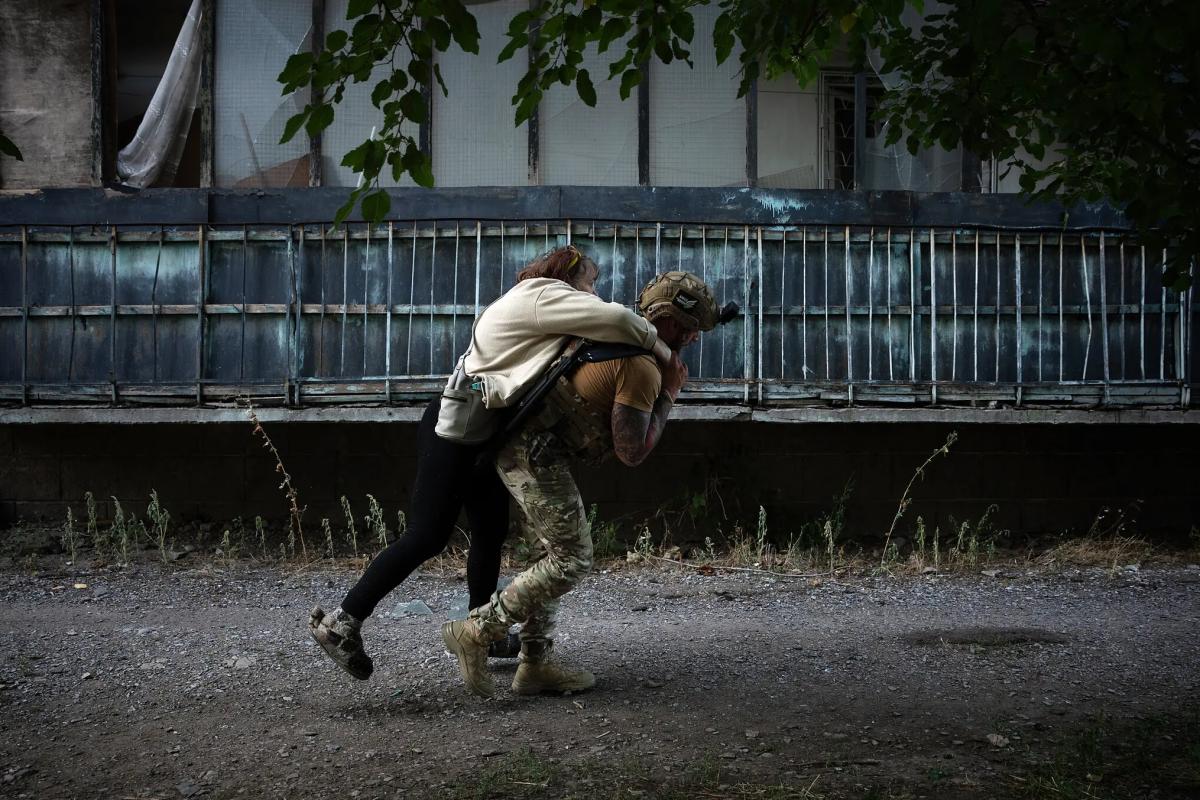
“I try not to dwell on the stories. I help, I save lives, and I try to forget—these things happen every day, and my mind has to cope with it,” said Yevgeniy Tkachov of “Proliska,” who, according to him, has evacuated thousands of people from Kostiantynivka.
Because the city was becoming increasingly dangerous, humanitarian organizations left supplies for civilians, but those are running out. People are gathering whatever scraps they can find to start a fire.
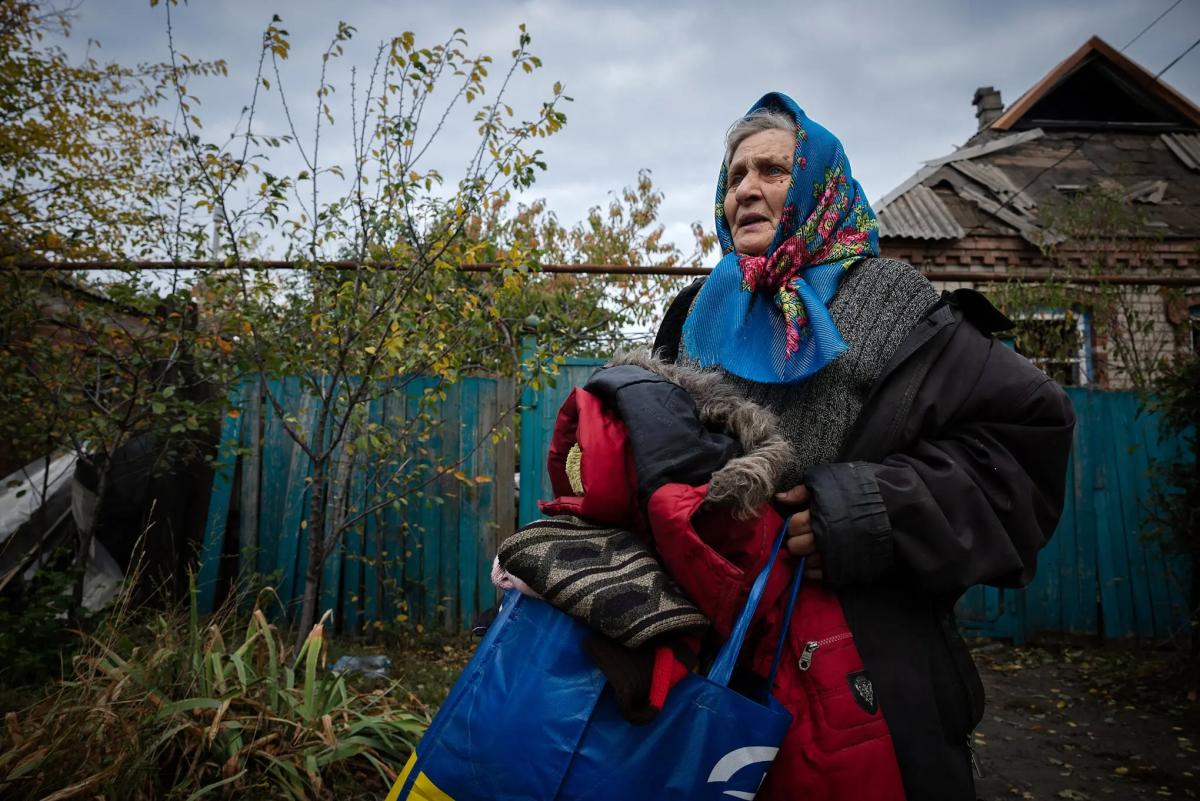
“People are living in basements, burning wood, and gathering trash, just like in the Middle Ages,” noted 33-year-old Captain Yevgeny Alkhimov, spokesperson for the 28th Mechanized Infantry Brigade of the Armed Forces of Ukraine.
A 75-year-old resident named Anatoliy also said:
"You’re surviving. You’re not living!"
The man stood by his neighbor’s makeshift grave in their yard. Like many other victims, the neighbor was buried where he fell, as getting to the cemetery would have been too dangerous.
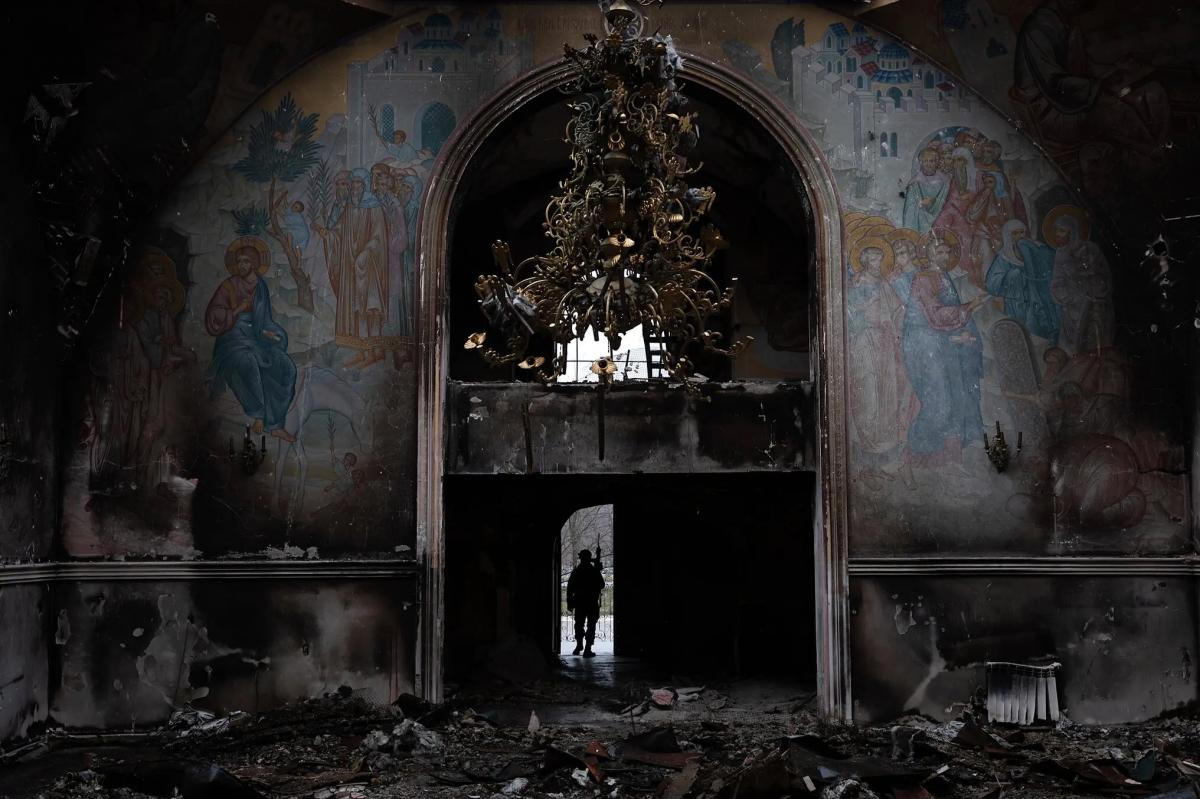
"The evacuation teams, who are trying to transport civilians to relatively safe places, are experiencing a kind of numbness from the horrors they witness over and over again. But some emotions still make themselves felt, such as disappointment—that the resolve of Ukraine’s allies has weakened, that President Trump still insists that an end to the war can be negotiated with the Kremlin,” the NYT emphasizes.
Tkachenko added:
"I see destroyed houses, ruined lives, people killed. I see the pain of those who have lost everything. Who are you trying to negotiate with?"
In the Kostiantynivkasector, Russia is attempting to disrupt the logistics of the Ukrainian Armed Forces.
Russia lost 820 invaders in a single day of the war in Ukraine.
It should be noted that since the creation of this new branch of the military, Ukrainian drone units have demonstrated extraordinary effectiveness, taking out tens of thousands of enemy weapons.
On April 12, Russian troops violated the ceasefire by using drones to kill three unarmed fighters who turned out to be their own captured comrades.
The Office of the Prosecutor General of Ukraine has opened a criminal investigation into yet another war crime committed by Russian servicemen. According to the investigation, near the village of Veterinarne in the Kharkiv region, the invaders cynically killed four Ukrainian prisoners of war.


